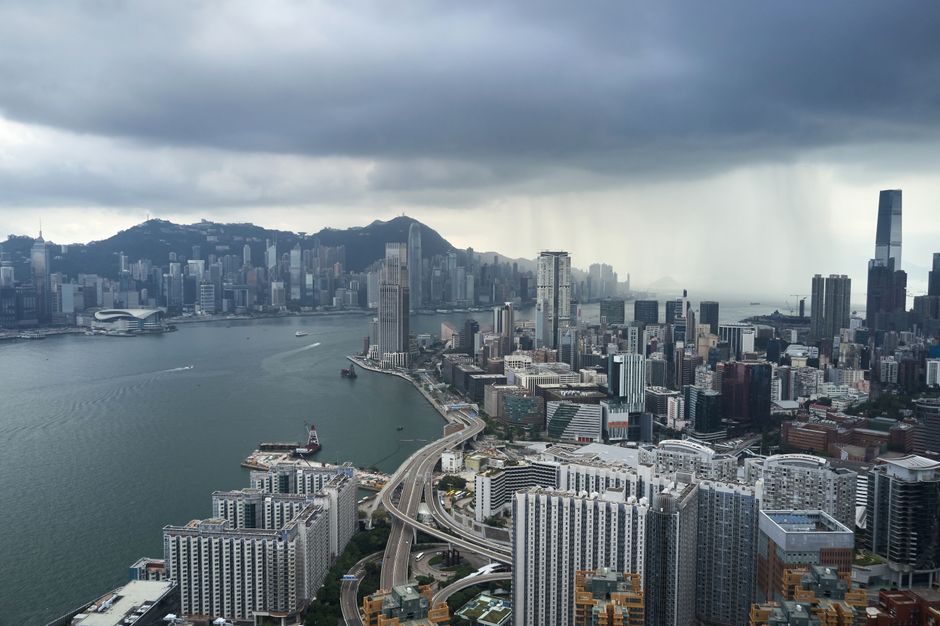
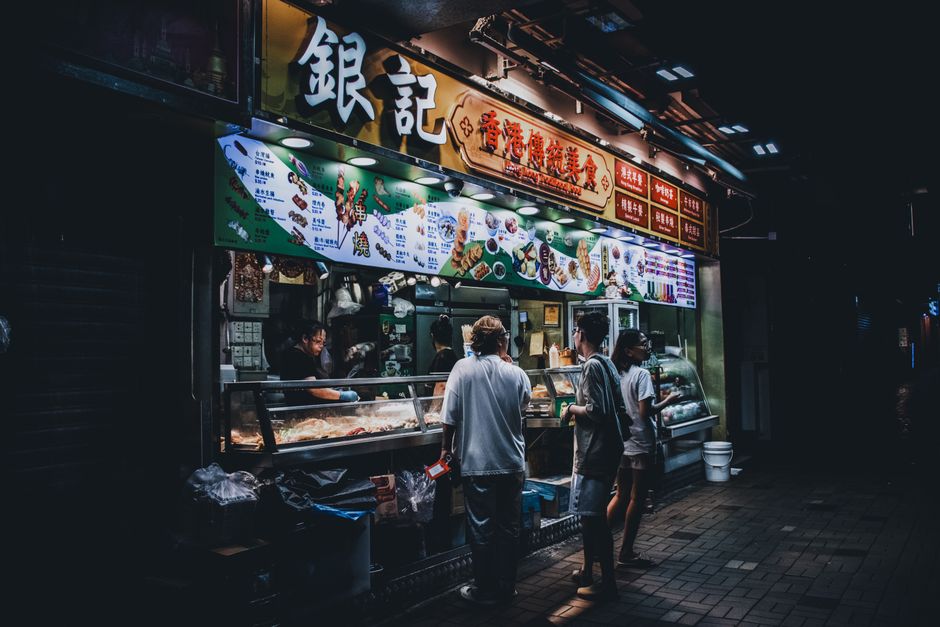
Walk down Jardine's Bazaar in Causeway Bay or peer into the shop-houses lining Cat Street in Central, and you'll spot a familiar sight: the shuttered storefronts of Hong Kong's small business community, casualties of a brutal 2026.
For the independent retailers, F&B operators, and service providers who form the backbone of Hong Kong's economy, this year has proven to be a confluence of headwinds that even seasoned entrepreneurs struggle to navigate. Rent increases remain punishing, with commercial space in prime retail districts commanding premiums that have climbed another 8-12 per cent since January, according to preliminary data from local property analysts. A modest 500-square-foot shop in Mong Kok that fetched HK$40,000 monthly two years ago now costs closer to HK$52,000.
The labour market tells an equally grim story. Finding willing staff at competitive wages has become nearly impossible. Minimum wage sits at HK$40.30 per hour—a modest figure that masks deeper recruitment challenges. Many small business owners report turning away customer inquiries simply because they cannot staff additional shifts. A café operator in Sheung Wan recently told industry contacts she had reduced opening hours to five days a week rather than seven, a reversal many would have deemed unthinkable in the pre-pandemic era.
Then there is the consumer. Tourist numbers have recovered to roughly 70 per cent of 2019 levels, but local spending remains tepid. Retail sales growth flatlined in the first quarter, and foot traffic in secondary shopping districts—where many small traders operate—has contracted year-on-year. This matters enormously: neighbourhood shops on streets like Des Voeux Road West in Sheung Wan and throughout Ap Lei Chau depend heavily on volume and repeat custom, neither of which materialised as hoped.
Credit and liquidity squeeze what remains of operating margins. While banks have eased lending conditions marginally from their pandemic-era stringency, small business loan approvals remain selective, and interest rates linger uncomfortably high for entrepreneurs still servicing pandemic-era debts.
The Federation of Hong Kong Industries and the Hong Kong Small and Medium Enterprises Association have issued increasingly cautious guidance, with members reporting that profitability has become elusive for perhaps 40 per cent of respondents in their latest surveys.
Some entrepreneurs are adapting—pivoting to online channels, consolidating locations, or shifting to lower-rent neighbourhoods—but these are survival measures, not growth strategies. For Hong Kong's small business sector, 2026 remains a year of difficult choices and diminished horizons.
This article was compiled by AI from the sources linked above and screened before publishing. See our editorial standards.