Hong Kong's tourism sector is experiencing its strongest recovery since the pandemic, with visitor arrivals projected to exceed 13 million this year. Yet beneath the headline figures, a structural realignment is underway that threatens traditional business models while opening new opportunities for those paying attention.
The headline narrative is straightforward: mainland Chinese visitors are returning in force, particularly to Central's luxury retail districts and the night markets of Mong Kok. But data from the Tourism Board reveals a critical nuance. Average spend per visitor has declined by roughly 12 percent compared to 2019, even as foot traffic climbs. The typical mainland tourist is now spending 3.2 nights in the city rather than 4, and increasingly booking budget accommodation in Causeway Bay and Sham Shui Po rather than five-star properties on the Harbour.
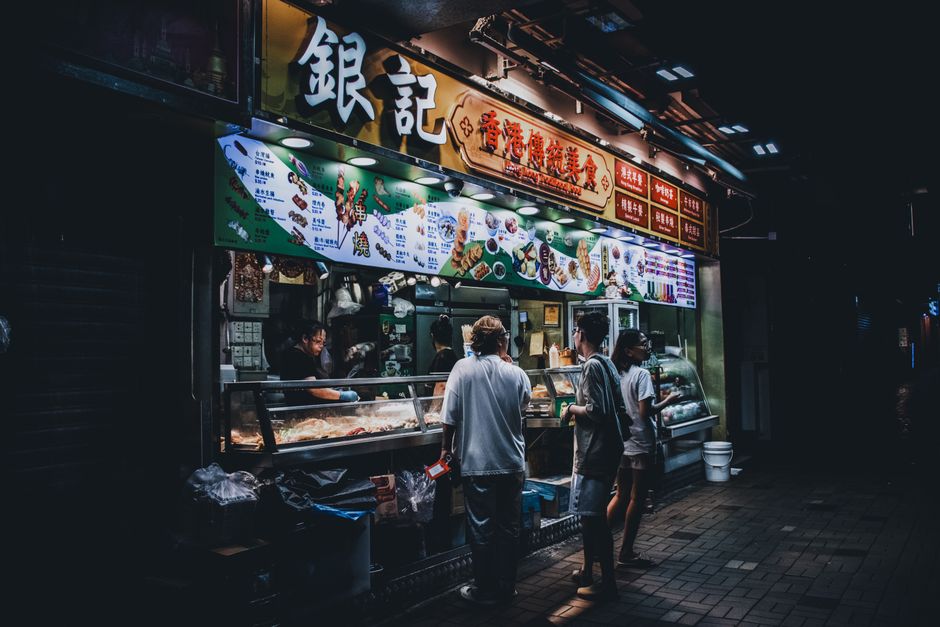
This shift demands immediate attention from hoteliers and F&B operators. Mid-range properties—the three-star segment that characterises much of Mong Kok and parts of Wan Chai—are thriving, while luxury hotels are fighting harder for premium market share. Restaurant operators report that spending on fine dining has plateaued, but casual dining and street food experiences are booming. The Western District's burgeoning café culture and Sai Ying Pun's hole-in-the-wall restaurants are outperforming established dining establishments in terms of visitor traffic.
Regional competition is another consideration. Macau's gaming recovery and Bangkok's aggressive tourism marketing are competing for the same regional leisure traveller. Meanwhile, young independent travellers from Southeast Asia—a growing demographic—are choosing Hong Kong for its public transport efficiency and food culture, but they spend considerably less than traditional Northeast Asian visitors.
The data also indicates a crucial shift in seasonality. Rather than the traditional summer and Chinese New Year peaks, July and August are now the strongest months as regional school holidays dominate. Businesses that haven't adjusted inventory, staffing or marketing calendars to match this pattern are leaving revenue on the table.
For attractions, museums and entertainment venues, the message is clear: volume-based pricing strategies are yielding better results than premium positioning. Star Ferry, the Peak Tram, and Wong Tai Sin Temple are reporting record visits, yet operators haven't significantly raised prices—a tacit acknowledgment that volume beats margin in this environment.
The opportunity is substantial, but it requires operational flexibility. Businesses must optimise for middle-market visitors, embrace digital payment and shorter booking windows, and recognise that Hong Kong's tourism economy is normalising around a different customer profile than the pre-2020 era. Those adapting quickly will capture market share; those clinging to old models will watch competitors flourish.
This article was compiled by AI from the sources linked above and screened before publishing. See our editorial standards.