Hong Kong's Cost of Living Surge Is Forcing a Radical Rethink of Who Can Afford to Work Here
As housing and living expenses reach record highs, employers across the city are struggling to retain talent while junior professionals are fleeing to cheaper regional hubs.
This article was generated by AI from the linked public sources. The Daily Hong Kong is independently owned and covers Hong Kong news free from advertiser or sponsor influence. Read our editorial standards →
The math no longer works for many of Hong Kong's brightest minds. A junior banker earning HK$35,000 monthly in Central finds themselves priced out of even modest housing, while a marketing executive in Sheung Wan watches their spending power erode year after year. The collision between stagnant salaries and soaring living costs is forcing a fundamental reshaping of the local talent landscape in ways Hong Kong's business community can no longer ignore.
The numbers tell a stark story. A one-bedroom apartment in Mid-Levels now averages HK$28,000 per month—consuming 80 per cent of a junior professional's gross salary. Add transport, food, and utilities, and the financial squeeze becomes suffocating. Meanwhile, salaries for entry-level positions across finance, tech, and professional services have barely budged in three years, even as housing costs climbed 22 per cent. This disparity is triggering an exodus many recruiters describe as unprecedented.
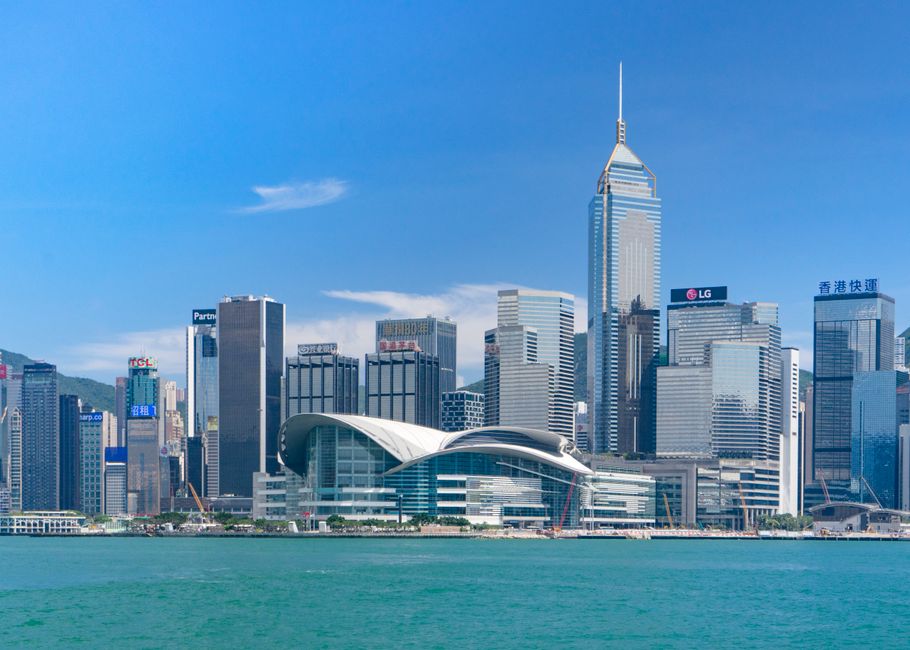
Companies operating from prestigious addresses like Exchange Square and IFC are discovering their competitive advantage eroding. Banking recruitment firms report that top graduates now actively reject Hong Kong positions in favour of Singapore roles offering 15-20 per cent premiums, or tech jobs in Bangkok where living costs are half those of Hong Kong. Even established multinational corporations are struggling to fill mid-level positions as experienced professionals migrate to cheaper Asian cities where their salaries stretch further.
The problem cascades upward. When junior talent leaves, mentorship pipelines collapse. Companies cannot develop homegrown leaders, forcing expensive external recruitment. One prominent property services firm recently acknowledged losing three consecutive cohorts of graduate trainees to regional competitors—a blow that required costly restructuring across their Causeway Bay headquarters.
Some employers are adapting. Forward-thinking firms are increasing housing allowances or offering co-living subsidies in emerging neighbourhoods like Tseung Kwan O, where rents are 30 per cent cheaper than traditional business districts. Others are piloting four-day work weeks to reduce commuting costs. A handful have embraced hybrid arrangements allowing staff to base themselves part-time in nearby cities like Shenzhen.
Yet these measures remain patchwork solutions. The deeper issue—that Hong Kong's cost structure has decoupled from regional salary benchmarks—requires systemic action beyond individual company initiatives. Without intervention, Hong Kong risks becoming a city where only the wealthy can afford to build careers, slowly hollowing out the professional middle class that has long powered its economy. For a city built on talent and ambition, that represents an existential threat.
This article was compiled by AI from the sources linked above and screened before publishing. See our editorial standards.
Covering business in Hong Kong. This article was generated by AI from the linked sources and was not reviewed by a human editor before publishing. See our editorial standards.