Hong Kong's Tourism Sector Faces Mounting Headwinds in 2026 as Visitor Recovery Stalls
Geopolitical tensions, regional competition and weakening consumer spending are testing the resilience of the city's vital hospitality and retail industries.
This article was generated by AI from the linked public sources. The Daily Hong Kong is independently owned and covers Hong Kong news free from advertiser or sponsor influence. Read our editorial standards →
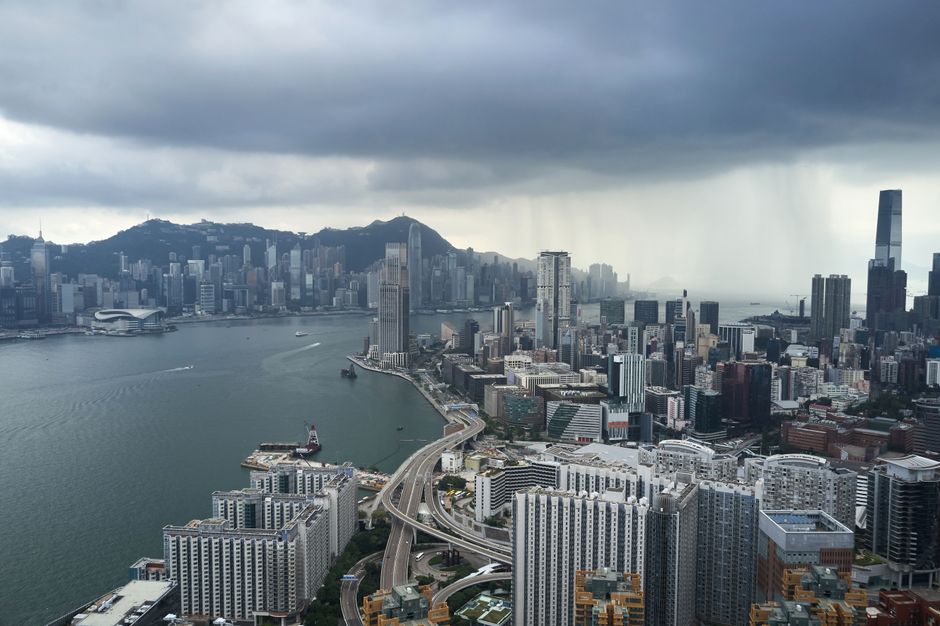
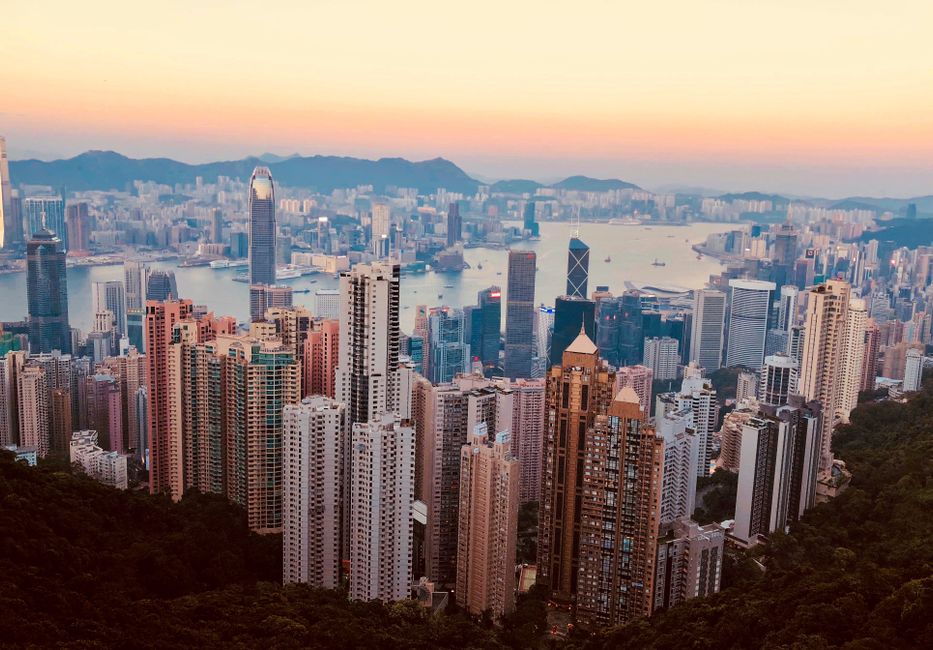
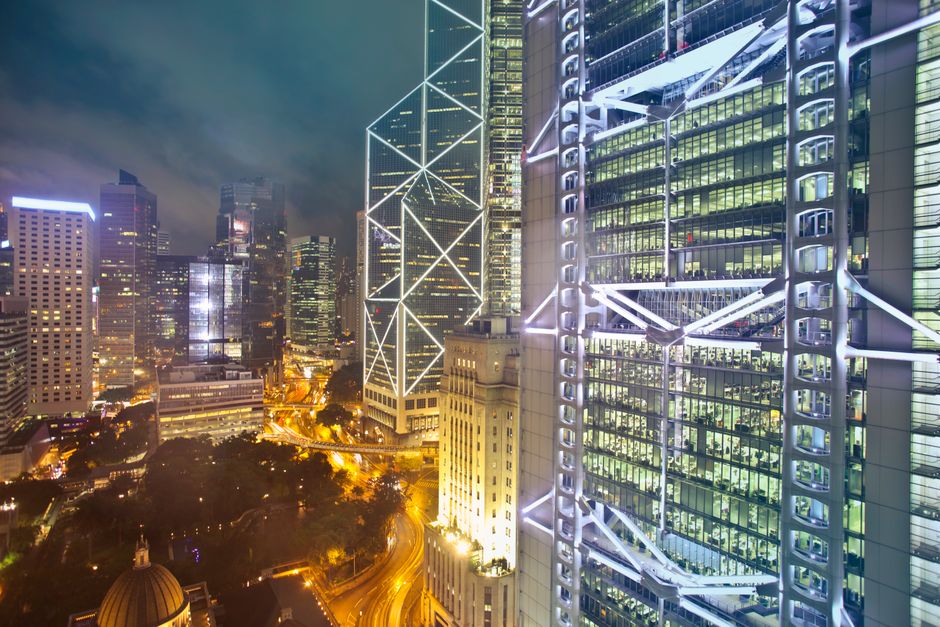
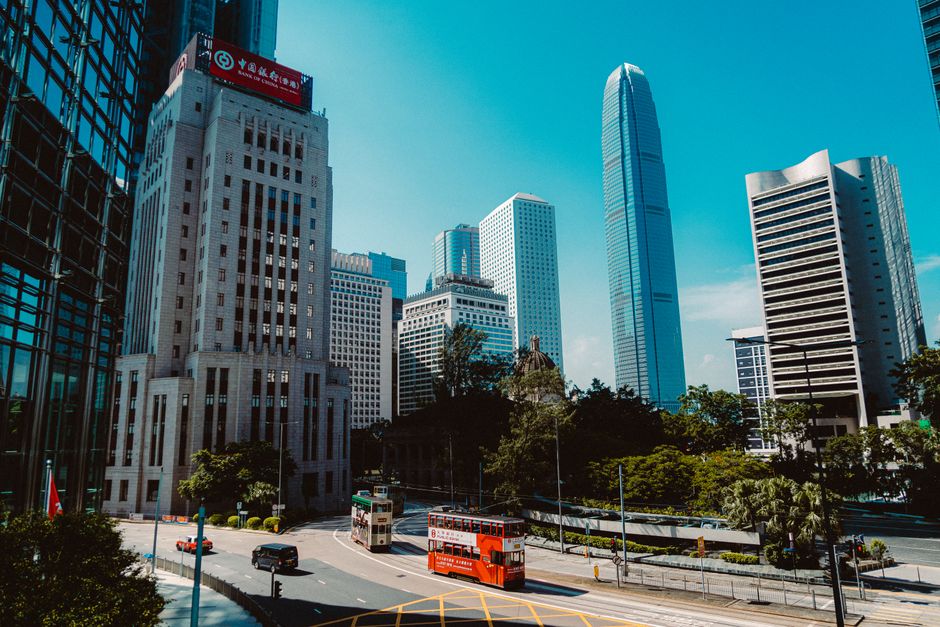
Hong Kong's tourism sector, long the engine of the city's service economy, is navigating an increasingly turbulent landscape in 2026, with visitor arrivals plateauing and spending patterns shifting in ways that challenge hoteliers, retailers and restaurants across the harbour economy.
The numbers tell a sobering story. While the Hong Kong Tourism Board reported 23.5 million visitor arrivals last year, growth has effectively flatlined this year as regional tensions and economic uncertainty deter travellers. Hotels along Nathan Road in Mong Kok and the luxury cluster near Victoria Harbour report occupancy rates hovering around 78 per cent—respectable by some standards, but down from the 84 per cent peaks of 2023. Average room rates have declined 6 per cent year-on-year, intensifying margin pressures across the sector.
Retail sectors dependent on tourist spending face particular strain. The flagship shopping districts of Tsim Sha Tsui and Causeway Bay are seeing reduced foot traffic, with international luxury brands reporting softer performance compared to last year. Mainland Chinese visitors, traditionally the largest source market, are increasingly opting for Southeast Asian alternatives, where weaker currencies make purchases more attractive. Regional competition has never been fiercer: Singapore's Changi Airport and Bangkok's tourism infrastructure continue upgrading, while Vietnam's emerging luxury offerings lure price-conscious travellers away from Hong Kong's premium positioning.
The geopolitical backdrop compounds these pressures. Escalating Middle East tensions have disrupted aviation capacity and skyrocketing fuel costs are pushing airfare premiums higher—precisely when discretionary travel budgets are tightening globally. The ongoing uncertainty surrounding US-China trade relations and Iran's brinkmanship have created a risk-averse climate among international leisure travellers.
Within Hong Kong itself, structural challenges persist. Labour shortages in hospitality—particularly in F&B establishments across Central and Lan Kwai Fong—have forced establishments to reduce operating hours and service capacity. Wage inflation of 5-7 per cent in the sector far outpaces the ability to raise customer prices competitively. Several mid-market hotels have delayed renovation projects, reluctant to invest capital in an uncertain environment.
The Hong Kong Hotels Association and related industry bodies are increasingly vocal about the need for government intervention through visa facilitation, marketing campaigns and infrastructure investment. Without immediate measures to arrest the decline, sectors dependent on visitor spending face a challenging remainder of 2026.
This article was compiled by AI from the sources linked above and screened before publishing. See our editorial standards.
Covering business in Hong Kong. This article was generated by AI from the linked sources and was not reviewed by a human editor before publishing. See our editorial standards.