Hong Kong's investment and wealth management sector is grappling with a confluence of challenges that threaten to erode its competitive edge, as rising operational costs, geopolitical tensions, and shifting global capital flows converge to dampen growth prospects in the second half of 2026.
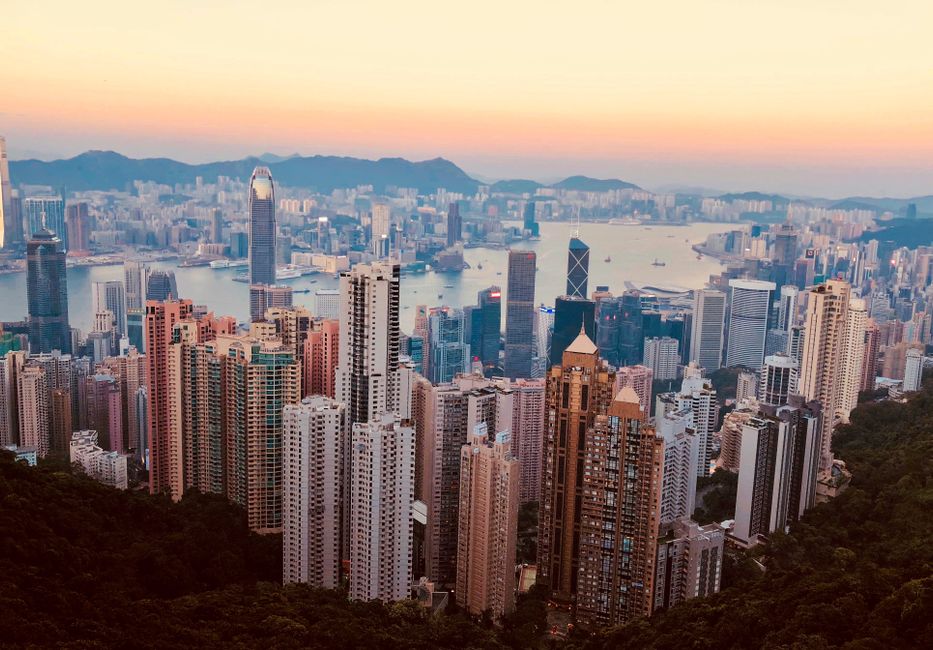
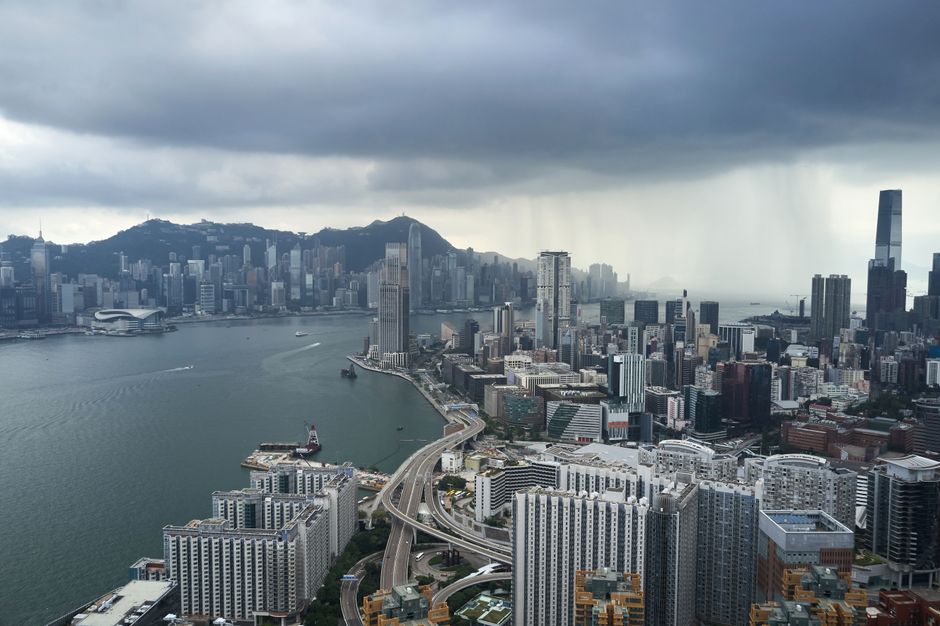
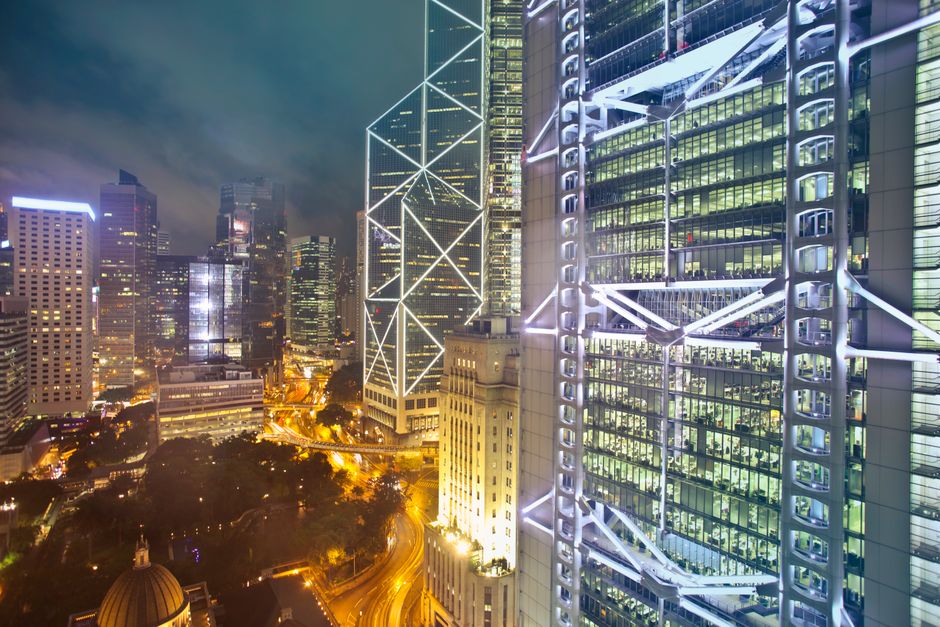
The squeeze is most visible in Central and Admiralty, where premium office rents have climbed to HK$200-plus per square foot annually—levels not seen since 2015. Asset managers and boutique investment firms operating along Des Voeux Road and Queen's Road Central are reassessing their footprints, with several smaller operations relocating to Kowloon or considering hybrid arrangements. "Space costs have become the single largest drag on profitability," said one fund manager on condition of anonymity, reflecting a sentiment echoing through the financial district.
Beyond real estate, talent retention poses an acute problem. Hong Kong's cost of living has surged, with monthly household expenses for middle-income professionals now averaging HK$45,000 to HK$55,000—driven by property rents, international school fees, and domestic help wages. Younger investment professionals are increasingly relocating to Singapore and Shanghai, where compensation packages and living costs offer better ratios. Recruitment agencies report 18-month vacancy periods for senior portfolio management roles, a marked shift from the historically fluid talent market.
Capital inflows tell another story. Net private wealth management assets under management in Hong Kong declined 3.2 per cent year-on-year through Q1 2026, according to industry data. The Hong Kong Investment Fund Association reports that cross-border fund flows have slowed considerably, with investors redirecting capital toward American and European markets. Geopolitical volatility—particularly tensions in the Middle East and evolving US-China relations—has amplified risk aversion among high-net-worth individuals who traditionally anchored their portfolios in Asia from Hong Kong bases.
Regulatory complexity has also intensified. The Securities and Futures Commission's enhanced compliance requirements for digital asset trading and enhanced due diligence protocols have imposed compliance costs exceeding HK$5 million for mid-sized firms annually. Smaller players lack the infrastructure to absorb such expenses, accelerating industry consolidation.
The Hong Kong Stock Exchange, however, remains buoyant in absolute terms, with trading volumes remaining robust. Yet wealth managers note that the quality of deal flow has shifted—fewer high-growth opportunities, more defensive positioning. Investment conferences previously held monthly in Wan Chai now occur quarterly.
Industry observers suggest the challenges are cyclical but material. For Hong Kong to retain its status as Asia's leading financial hub, stakeholders argue that addressing cost-of-living pressures, regulatory streamlining, and geopolitical positioning will be essential to reversing the current tide.
This article was compiled by AI from the sources linked above and screened before publishing. See our editorial standards.