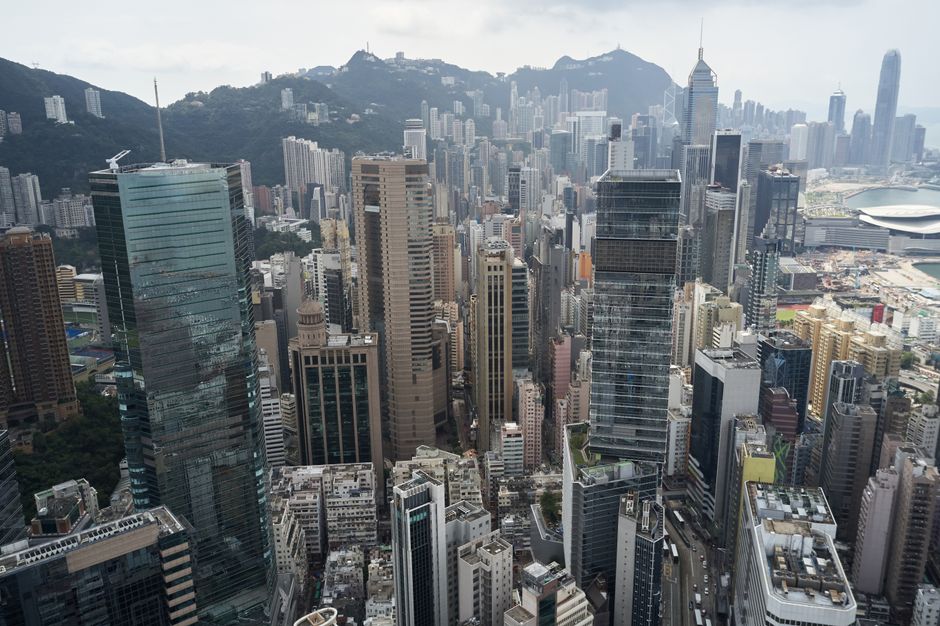
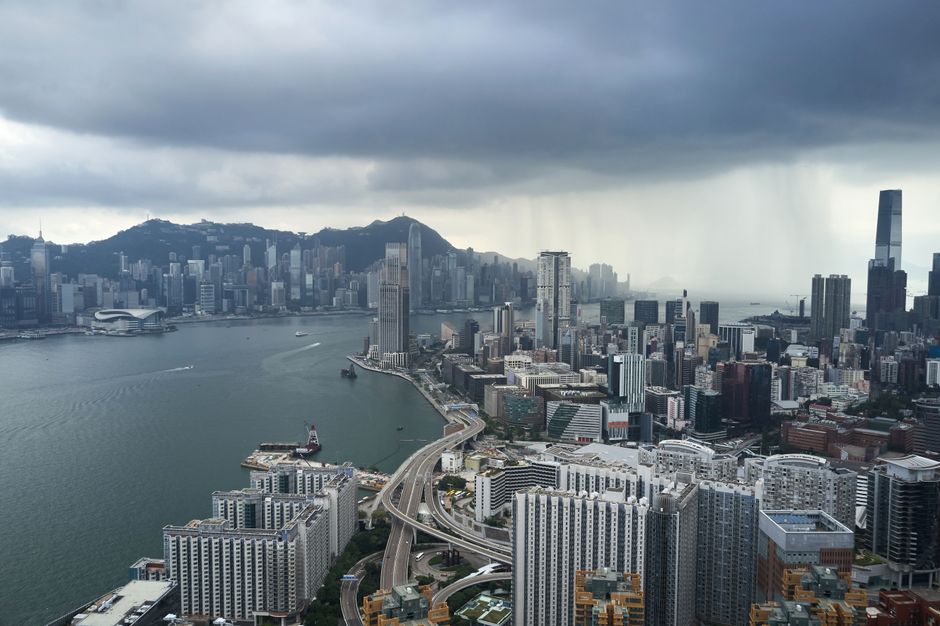
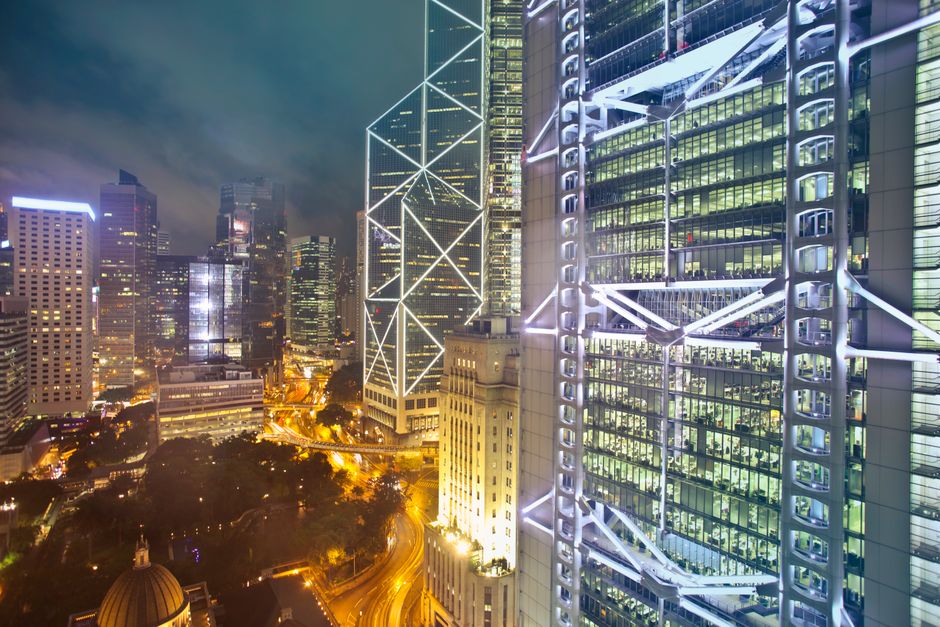
Walking through Central's financial district this week, the tension is palpable. Traders and logistics managers are grappling with an increasingly fractured global order—one that threatens Hong Kong's carefully calibrated position as Asia's premier business crossroads.
The escalation of regional conflicts and renewed diplomatic friction have created unprecedented challenges for the city's $630 billion export-oriented economy. Companies operating from offices along Des Voeux Road and across Hong Kong's 12,000-plus registered trading firms are recalculating routes, reassessing partnerships, and hedging against currency volatility with uncommon urgency.
Pakistan's military actions in Afghanistan, combined with simmering tensions between the United States and Iran over strategic waterways, have direct implications for Hong Kong's shipping and logistics sector. The Strait of Hormuz remains critical for energy supplies that power manufacturing operations across Kowloon and the New Territories. Any disruption drives up fuel costs and insurance premiums—expenses that ripple through supply chains dependent on just-in-time delivery models.
For import-export companies clustered around the Hong Kong Port, the stakes are particularly high. The Port Authority handled 17.4 million TEU (twenty-foot equivalent units) last year, making it one of the world's busiest container hubs. Supply chain delays of even 10-15 days can cost companies hundreds of thousands in operational losses.
Meanwhile, the broader geopolitical realignment is forcing Hong Kong's business community to diversify. Companies that previously operated through single-source supply chains are now exploring redundancies. Some are accelerating plans to establish regional hubs in places like Singapore and Bangkok—a strategy that reduces Hong Kong's traditional role as the essential middleman.
Technology companies in Cyberport have also shifted priorities. Restrictions on semiconductor exports and heightened scrutiny of intellectual property concerns mean local tech firms are investing more in compliance and legal infrastructure.
What distinguishes Hong Kong's current predicament is not merely economic but structural. The city's entire business model depends on predictability, neutral ground, and reliable shipping corridors. Global instability erodes all three simultaneously.
Smart operators understand this moment demands agility. Those maintaining diverse geographic partnerships, investing in digitised supply chain visibility, and building deeper ties within Southeast Asia are positioning themselves more defensively. It's a reminder that Hong Kong's prosperity has always been contingent—dependent on remaining indispensable even as the world shifts beneath its feet.
This article was compiled by AI from the sources linked above and screened before publishing. See our editorial standards.