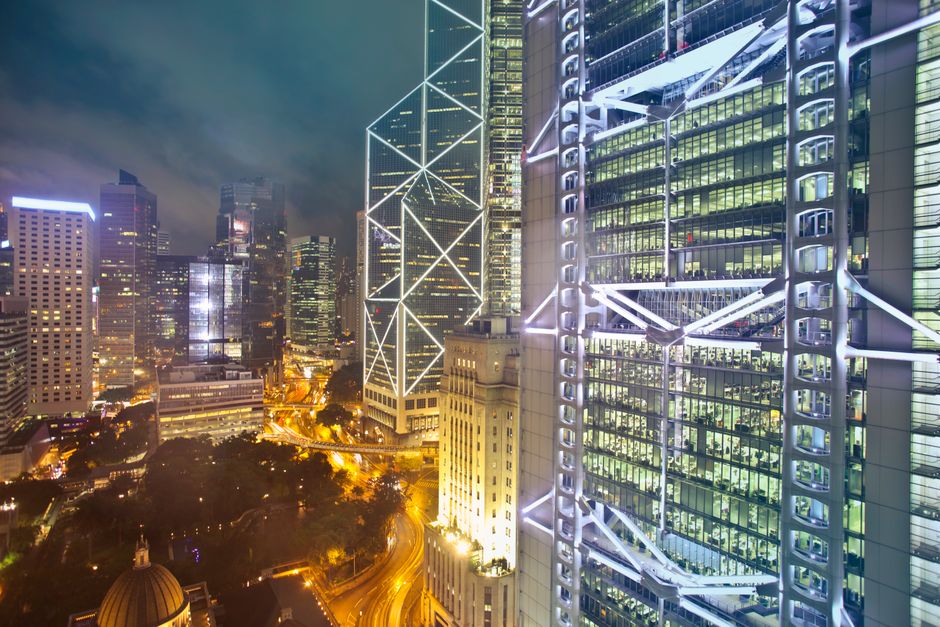
Walk through the trading floors of Exchange Square in Central, and you'll hear the same refrain from shipping executives and commodity traders: the world has become far too unpredictable. For Hong Kong's business community, the cascading geopolitical tensions gripping the globe—from Iranian brinkmanship over the Strait of Hormuz to deepening instability in Africa—are no longer abstract concerns. They're translating directly into higher costs, delayed shipments, and margin compression across multiple sectors.
Hong Kong's position as Asia's premier trade hub means businesses here operate with their fingers permanently on the global pulse. The city's container port handled 3.1 million twenty-foot equivalent units last year, yet increasingly, traders and logistics managers are factoring in what they call "geopolitical risk premiums" when calculating shipping routes and costs.
Take the Middle East situation. Tensions between the US and Iran have already pushed some vessel operators to route around the Cape of Good Hope rather than transit the Suez Canal—adding two weeks to journeys and inflating fuel surcharges by up to 15 per cent, according to freight forwarders operating out of Kwun Tong's logistics zone. For jewellery exporters in Kowloon, electronics manufacturers in the New Territories, and textile traders clustered around Des Voeux Road Central, these extra days and dollars compound quickly.
Africa presents a different challenge. Disruptions in the Democratic Republic of Congo, combined with political volatility in West Africa, are constraining supplies of cobalt, copper, and other minerals vital to Hong Kong's electronics and battery-making sectors. Local suppliers are now maintaining larger safety-stock buffers—tying up capital that smaller firms can ill afford.
The implications extend beyond logistics. Insurance premiums for cargo and vessels have risen 8-12 per cent in recent months, according to brokers at One Pacific Place. Banking partners are reviewing credit lines, particularly for businesses with heavy African or Middle Eastern exposure. Trade finance costs, already squeezed by regulatory pressures, are creeping upward.
Some Hong Kong firms are responding by diversifying supplier bases—shifting reliance away from single-source countries and investing in nearshoring within Southeast Asia. Others are accelerating adoption of digital supply-chain visibility tools, treating real-time tracking as essential insurance against future disruptions.
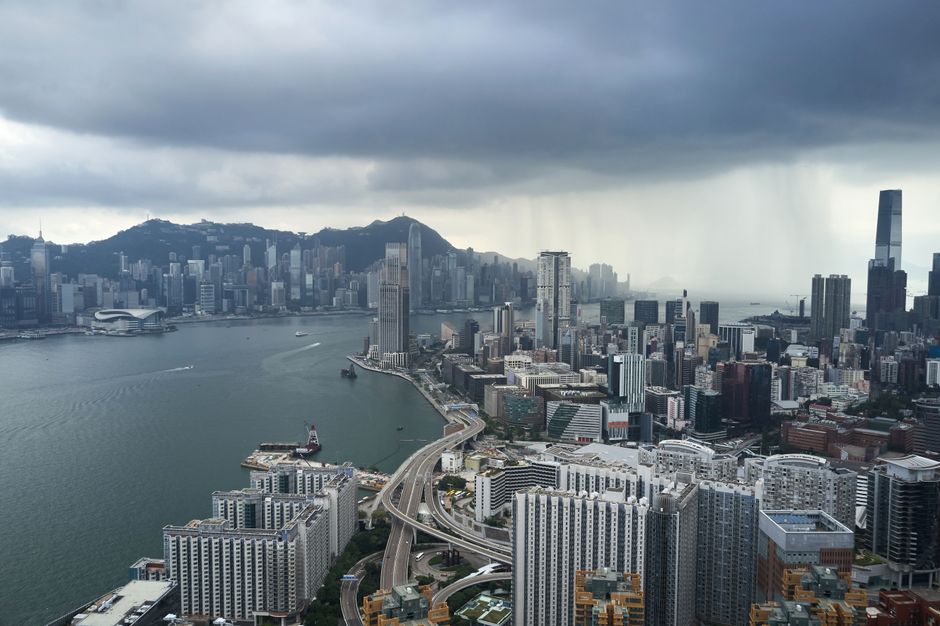
The irony is stark: Hong Kong built its modern prosperity as a neutral, stable conduit for global trade. That model assumed a relatively orderly world. As geopolitical fractures widen, the city's traders and manufacturers are discovering that neutrality alone no longer insulates them from the turbulence beyond Victoria Harbour.
This article was compiled by AI and screened before publishing. See our editorial standards.