Hong Kong's position as a global financial crossroads has always been both blessing and curse. Today, it's increasingly the latter. With geopolitical flashpoints multiplying—from U.S.-Iran tensions reshaping energy markets to African instability disrupting supply chains—the ripple effects are hitting local businesses harder than most.
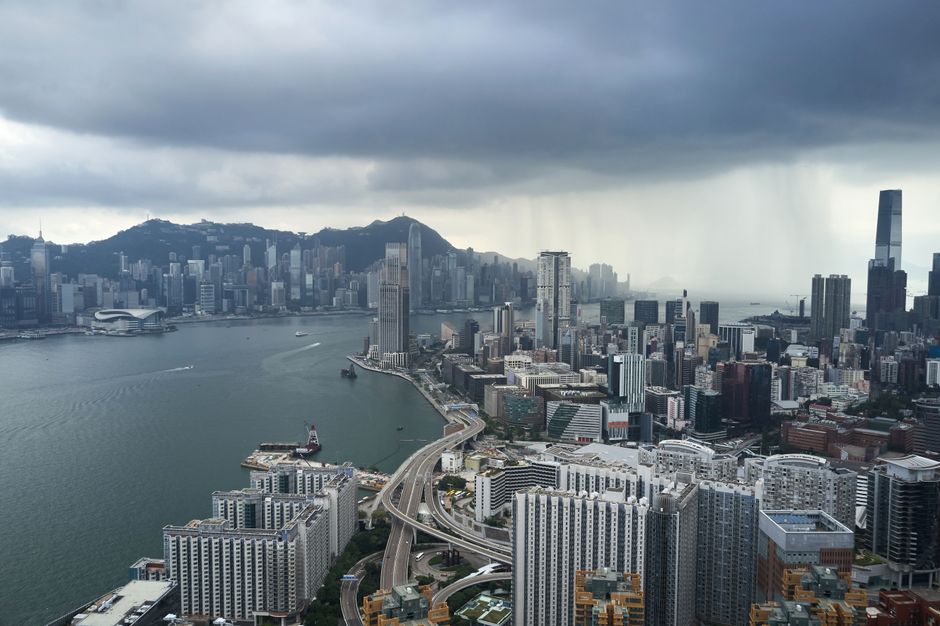
The numbers tell a sobering story. Shipping costs from Southeast Asia through the Strait of Hormuz have spiked 23% since early June, according to freight brokers operating out of the Container Port. For import-dependent retailers along Des Voeux Road Central, that translates directly into higher wholesale costs. Fashion boutiques in Causeway Bay report that inventory replenishment, once a predictable line item, now carries a premium that's difficult to pass to price-conscious consumers already stretched by rental costs averaging HK$35-45 per square foot in prime retail locations.
The currency markets add another layer of volatility. The Hong Kong Dollar's peg to the U.S. greenback means that when global uncertainty drives capital flows, local businesses feel it acutely. A restaurant owner in Lan Kwai Fong noted that menu price increases—roughly 8-12% year-on-year—increasingly reflect factors entirely beyond her control: imported wine tariffs, seafood sourcing disruptions, and energy costs tied to global oil markets.
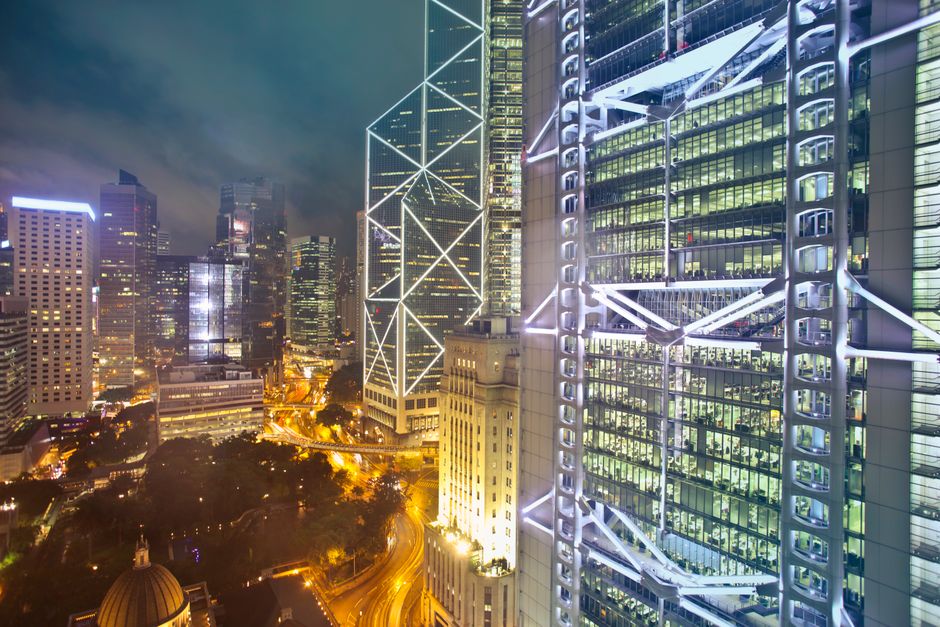
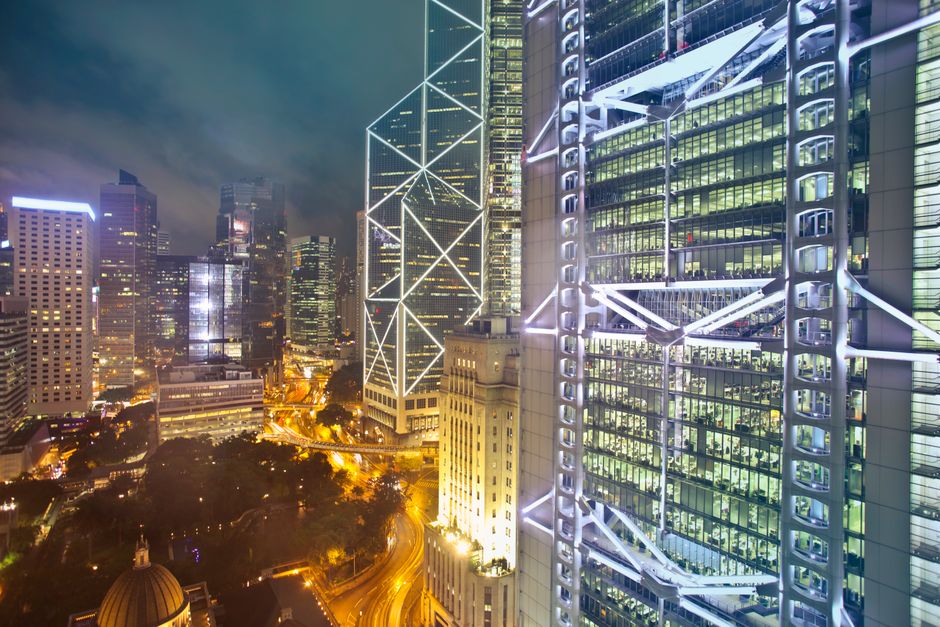
For the professional services sector anchored around Exchange Square and the IFC, the picture is more complex. Legal and financial advisory firms are busier than ever as clients navigate sanctions regimes, supply chain restructuring, and investment portfolio rebalancing. Yet staff retention remains precarious; talented mid-level associates are departing to Singapore and London, citing burnout amid global uncertainty and Hong Kong's perceived isolation during recent years.
Small-to-medium enterprises, the backbone of Hong Kong's economy, lack the hedging tools of larger corporations. A manufacturing operation in Kowloon Bay relying on raw material imports from the Middle East faces 60-90 day lead times that didn't exist two years ago. The financial buffer required to absorb such delays has become a competitive moat that favors established players over newcomers.
The cost-of-living squeeze compounds these headwinds. Utility bills have risen 15% this year; office occupancy costs remain stubbornly high despite post-pandemic flexibility. For the middle class frequenting cafés and casual dining spots, disposable income erosion is measurable. Coffee at a Central café now averages HK$58-68, a 20% increase since 2023.
The question for Hong Kong isn't whether global instability matters—it clearly does. It's whether the city's agility, historically its greatest asset, can reassert itself against forces largely beyond its control.
This article was compiled by AI from the sources linked above and screened before publishing. See our editorial standards.