Business
Hong Kong's Office Market Faces Perfect Storm of Headwinds in 2026
Oversupply, remote work persistence, and capital outflows are testing landlords' resolve across Central, Admiralty, and beyond.
2 min read
Updated 13 h ago
Business
Oversupply, remote work persistence, and capital outflows are testing landlords' resolve across Central, Admiralty, and beyond.
2 min read
Updated 13 h ago
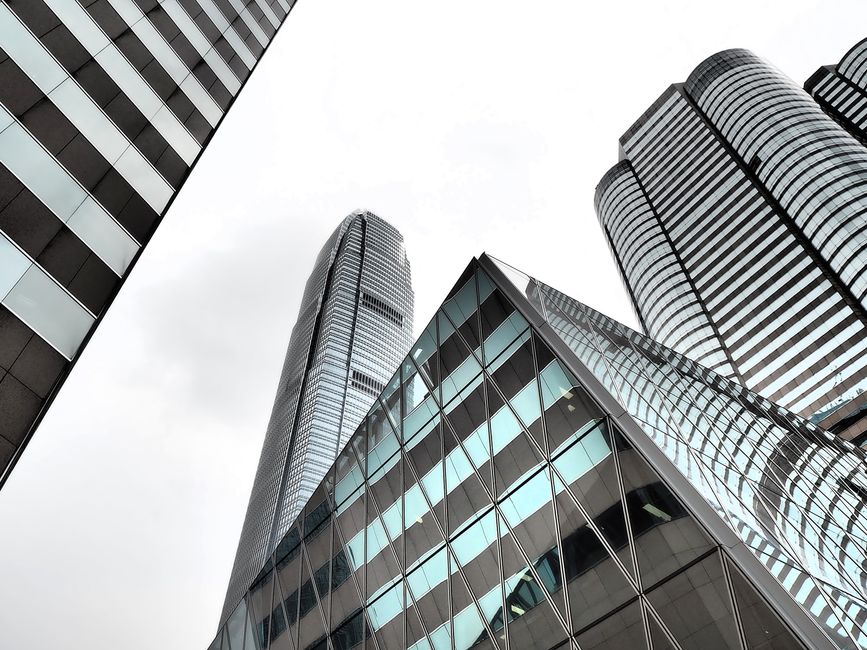
Hong Kong's once-bulletproof commercial property sector is confronting its most challenging year in a decade, as a convergence of structural shifts and cyclical pressures weighs on office valuations and rental yields across the territory.
The headwinds are unmistakable. Prime Grade A office space in Central now commands asking rents around HK$60-75 per square foot annually—down roughly 15-20 percent from 2023 peaks—while vacancy rates have climbed to nearly 9 percent, the highest since the 2008 financial crisis. Similar softness characterises Admiralty and Wan Chai, where landlords of aging stock face particular pressure.
Several structural forces are at play. The hybrid and remote work phenomenon, initially expected to fade post-pandemic, has proven sticky. Major multinational corporations and professional services firms have rationalised their footprints, particularly in secondary locations like Causeway Bay and Quarry Bay, where older office blocks compete with residential and mixed-use developments. Property consultants say companies are consolidating to fewer, larger floorplates rather than expanding, reversing decades of growth assumptions.
Capital flight compounds the challenge. Institutional investors—historically reliable buyers of trophy assets—have become more selective. Hong Kong-focused property funds have reported net outflows as investors rotate toward markets perceived as offering better growth or yield. This has depressed transaction volumes and pressured net initial yields, which have compressed to around 3.5-4 percent in prime locations.
Regulatory uncertainty adds friction. Discussions around stamp duty adjustments and potential changes to Foreign Non-Hong Kong Resident tax treatment have created planning hesitation among overseas capital allocators. Simultaneously, the continued strength of the United States dollar—which keeps the Hong Kong dollar pegged at 7.8 to the US dollar—has made Hong Kong assets expensive relative to regional peers in Singapore and Tokyo, where currencies have weakened.
The conversion of aging office stock to residential or hotel use, while beneficial for supply-demand rebalancing, has further scrambled traditional office market dynamics. Older buildings on Des Voeux Road Central and Queen's Road Central have become conversion targets, reducing the natural supply cushion landlords once relied on.
Not all segments suffer equally. Modern, well-located offices in tech-friendly precincts—particularly around Cyberport and areas catering to fintech—retain resilience. However, for conventional offices in less differentiated locations, 2026 is shaping up as a reckoning year, forcing landlords to either accept lower rents, invest in upgrades, or explore alternative uses.
This article was compiled by AI from the sources linked above and screened before publishing. See our editorial standards.

Business
Business
Business
Business
About this article
Published by The Daily Hong Kong
Spread the word
Daily brief
Free, in your inbox before 7am. Weekdays.
Before you go
The day's Hong Kong news in a 2-minute read. Free, weekday mornings.