Hong Kong's commercial property market is undergoing a significant recalibration as businesses navigate the tension between flexible work arrangements and the city's premium office costs. For company decision-makers planning real estate moves, understanding these shifting dynamics has become essential.
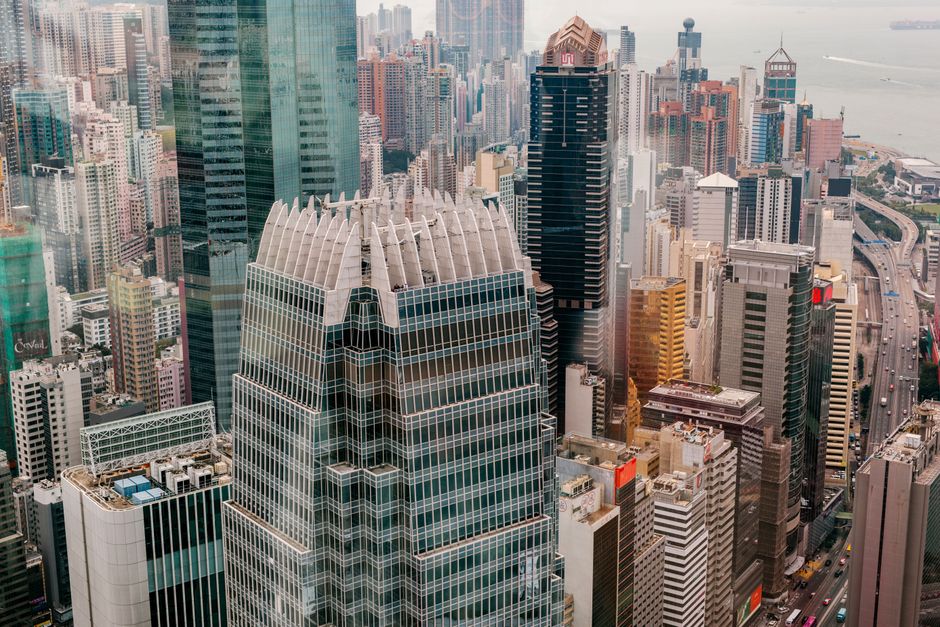
The headline figures tell part of the story. Prime Central locations—particularly along Des Voeux Road Central and in the Exchange Square precinct—continue commanding premium rents around HK$80-100 per square foot annually. Yet secondary markets in Wan Chai and Causeway Bay are increasingly attractive, with rents 15-20% lower while maintaining strong connectivity and amenities. This geographic arbitrage is reshaping where multinational corporations and financial services firms choose to establish or expand operations.
The hybrid work revolution remains the dominant force reshaping demand. While the return-to-office movement has stabilised post-pandemic, most organisations now operate on hybrid schedules rather than traditional five-day models. This has fundamentally altered space requirements. Companies previously occupying 150 square feet per employee in Admiralty or Central are reconsidering whether 100-110 square feet suffices when staff rotate in on staggered schedules. Real estate consultancies tracking the market note that consolidation deals—where firms downsize and relocate to more efficient spaces—remain active through 2026.
A critical consideration for tenants: lease flexibility. Traditional five-year commitments are becoming less attractive. Landlords in Central's traditional strongholds are increasingly offering three-year terms with renewal options, reflecting their own uncertainty about long-term demand. This shift provides businesses with better optionality, particularly valuable for growth-stage firms and technology companies facing unpredictable scaling requirements.
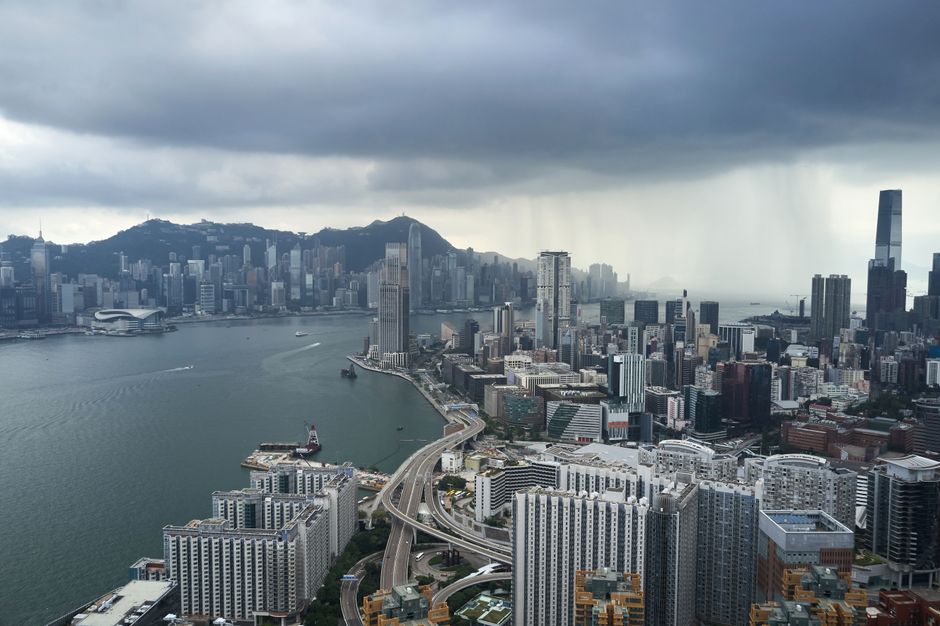
The sustainability agenda is also reshaping tenant decisions. Newer buildings in emerging submarkets like Kowloon East—particularly around the MTR-connected Millennium City cluster—are attracting environmentally-conscious corporations seeking LEED or WELL certification without Central's premium pricing. This geographic dispersal reflects broader acceptance that business-critical meetings and collaboration don't exclusively require prestige addresses.
For those making decisions now, several factors warrant close attention: first, audit your actual occupancy patterns before renewing leases; second, evaluate whether secondary locations meet your operational and brand requirements; third, negotiate flexibility into agreements given continued market volatility. The days of assuming premium Central addresses are essential for every function have passed.
The market isn't contracting—available office space remains competitive, and quality buildings maintain strong demand. Rather, Hong Kong's commercial property landscape is becoming more rational, rewarding businesses that align their real estate strategies with actual working patterns rather than conventional wisdom.
This article was compiled by AI from the sources linked above and screened before publishing. See our editorial standards.