If you've noticed longer waits at your favourite dim sum spot in Central or found certain shops closed during usual hours, you're not alone. Hong Kong's retail and hospitality sectors are navigating a significant realignment that affects everything from restaurant availability to shopping hours—and understanding the drivers behind it matters for your wallet and weekend plans.
The hospitality industry across Hong Kong is contending with persistent staffing challenges. Labour-intensive sectors like F&B, which employ roughly 280,000 people across the territory, are facing recruitment difficulties that haven't fully resolved since the post-pandemic recovery. Many establishments in traditional dining neighbourhoods like Soho and around Causeway Bay have reduced operating hours or scaled back table capacity, simply because trained kitchen and front-of-house staff remain difficult to secure. This is particularly acute in premium establishments where expertise commands higher wages.
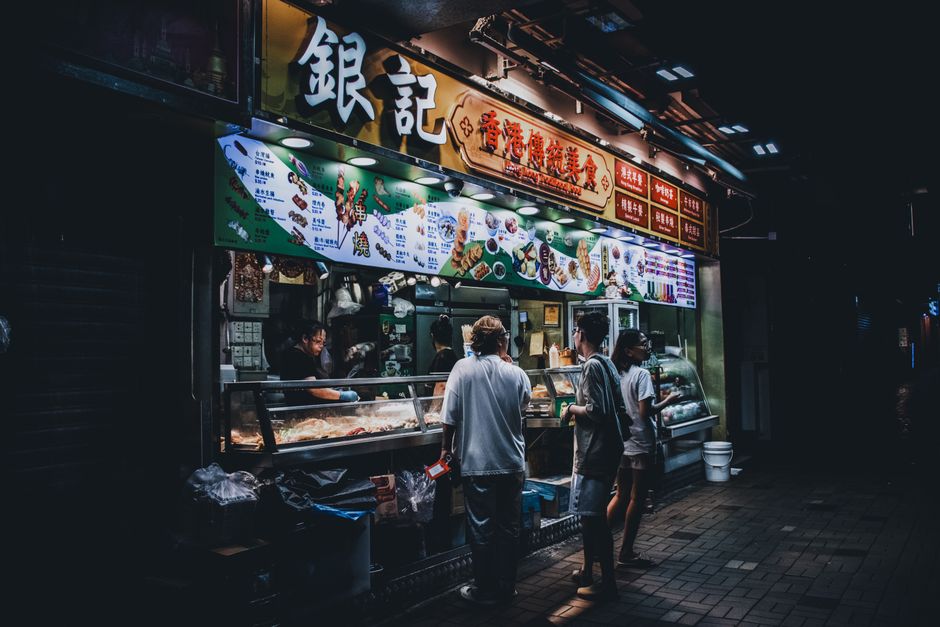
Simultaneously, pricing pressures are mounting. Food costs—particularly for imported ingredients critical to Hong Kong's diverse culinary scene—have remained elevated. A casual lunch that cost HK$85 three years ago now regularly runs HK$110 to HK$130 at mid-range establishments. For residents dependent on restaurant meals, meal planning has become more deliberate. Those seeking better value are increasingly gravitating toward neighbourhood dai pai dong and smaller independent operators, which has shifted foot traffic patterns across districts.
Retail dynamics are equally complex. Rents in prime shopping corridors like Mong Kok's pedestrian zone and Causeway Bay remain high, but consumer behaviour has shifted. Younger shoppers increasingly favour online purchasing, which is reducing walk-in traffic to traditional brick-and-mortar shops. This has forced many retailers—particularly clothing and accessories vendors—to reconsider their physical footprint. Several storefronts along Nathan Road have converted to other uses or remain vacant longer between tenancies.
However, pockets of resilience exist. Neighbourhood retail and food venues catering to local community needs—supermarkets, wet markets, casual eateries—remain robust. The Hong Kong Retail Management Association noted that local-oriented businesses showed stronger performance than city-centre tourist-facing establishments in 2025-26.
For everyday residents, the practical implication is straightforward: flexibility helps. Calling ahead before visiting restaurants during peak hours, expecting slightly higher prices than previous years, and exploring neighbourhood alternatives to tourist-heavy areas can enhance your dining and shopping experience while supporting the local businesses adapting to these pressures. Hong Kong's hospitality and retail sectors are resilient, but they're actively transforming—and informed consumers navigating that change will fare best.
This article was compiled by AI from the sources linked above and screened before publishing. See our editorial standards.