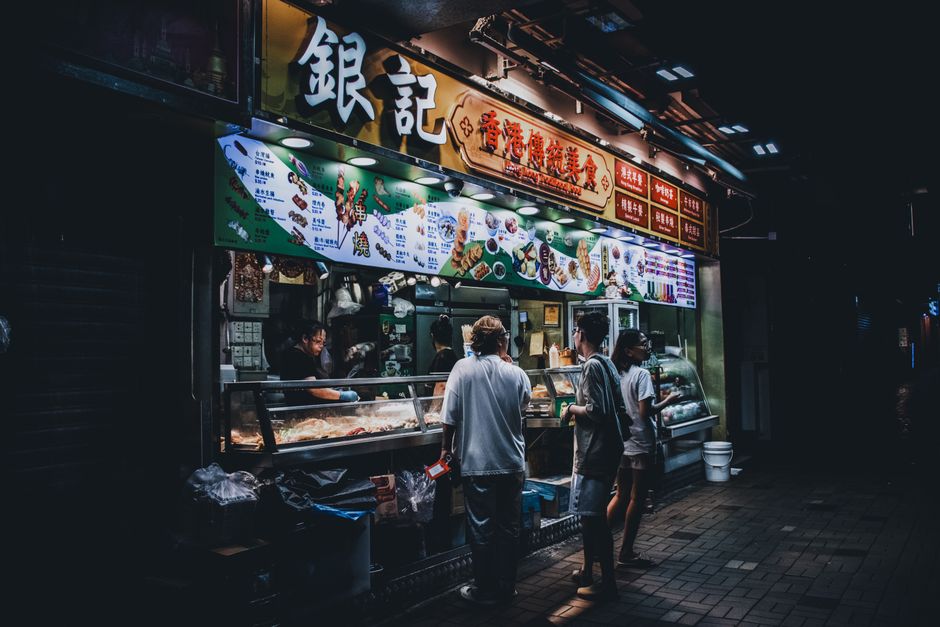
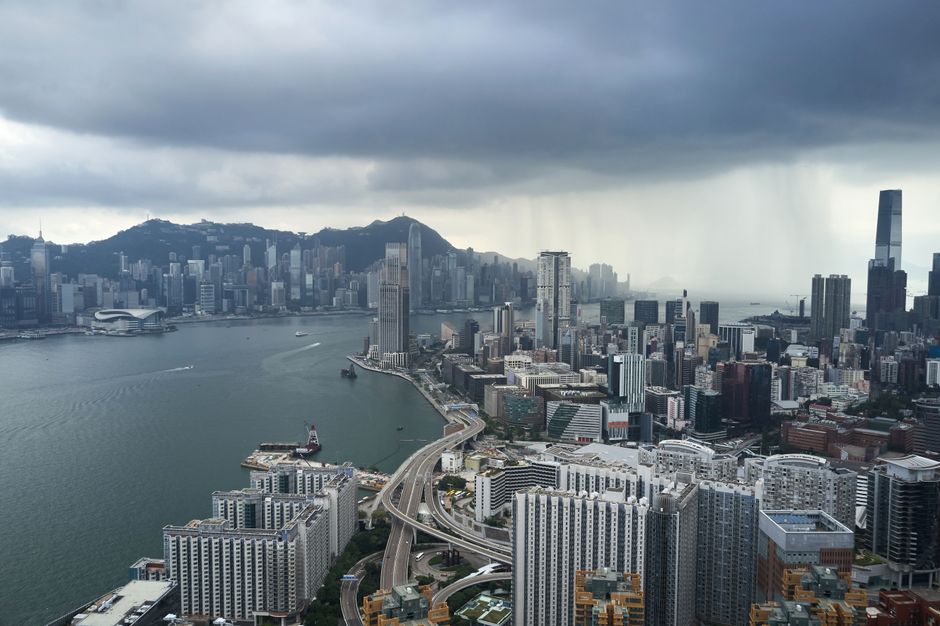
Walk through Central's narrow lanes on a Friday evening and you'll spot the telltale queues outside three establishments bearing the same distinctive branding—a phenomenon that seemed unlikely just four years ago when the entire hospitality sector was in free fall.
Today, as Hong Kong's retail and food industry rebounds with domestic consumption up 12% year-on-year according to the Hong Kong Retail Management Association, one entrepreneur's journey offers a masterclass in adaptive resilience. What began as a single 40-seat bistro on Staunton Street in 2019 has evolved into a 15-venue portfolio spanning Wan Chai, Causeway Bay, and the emerging food hub around PMQ on Aberdeen Street.
The sector itself tells an encouraging story. Hong Kong's restaurant industry, which contracted sharply during pandemic years, now generates approximately HK$120 billion annually. Foot traffic in major retail corridors like Causeway Bay and Mong Kok has returned to 95% of 2019 levels, while average dining spend per head has climbed to HK$180–220 for casual restaurants—up from HK$140 pre-pandemic.
What distinguishes the most successful operators is their willingness to embrace hybrid models. Several contemporary venues now blend traditional table service with grab-and-go counters, recognizing that Hong Kong's workforce demands flexibility. The food delivery ecosystem—driven by Foodpanda, Deliveroo, and local competitors—now accounts for roughly 18% of total food service revenue, forcing established operators to rethink supply chains and packaging.
Labour constraints remain acute, however. The hospitality sector faces a chronic shortage of skilled staff, with monthly wages for experienced sous chefs now ranging from HK$22,000–28,000, a 23% increase since 2022. This has accelerated investment in kitchen automation and staff retention programmes across mid-to-premium establishments.
The most resilient operators are those who've invested in their own supply relationships and staff welfare. Several successful restaurateurs now operate their own central kitchens in industrial zones like Kwai Fong and Yuen Long, improving margins while reducing dependency on third-party logistics.
Neighbourhood diversification is another winning strategy. While Central and Wan Chai remain premium markets, savvy operators are opening secondary outlets in emerging areas like Wong Chuk Hang and North Point, where commercial rents run 30–40% below harbour-side equivalents yet customer density is rising sharply.
As the sector enters the second half of 2026, the consensus among industry observers is clear: Hong Kong's hospitality renaissance will be led not by newcomers, but by operators who learned to evolve.
This article was compiled by AI from the sources linked above and screened before publishing. See our editorial standards.