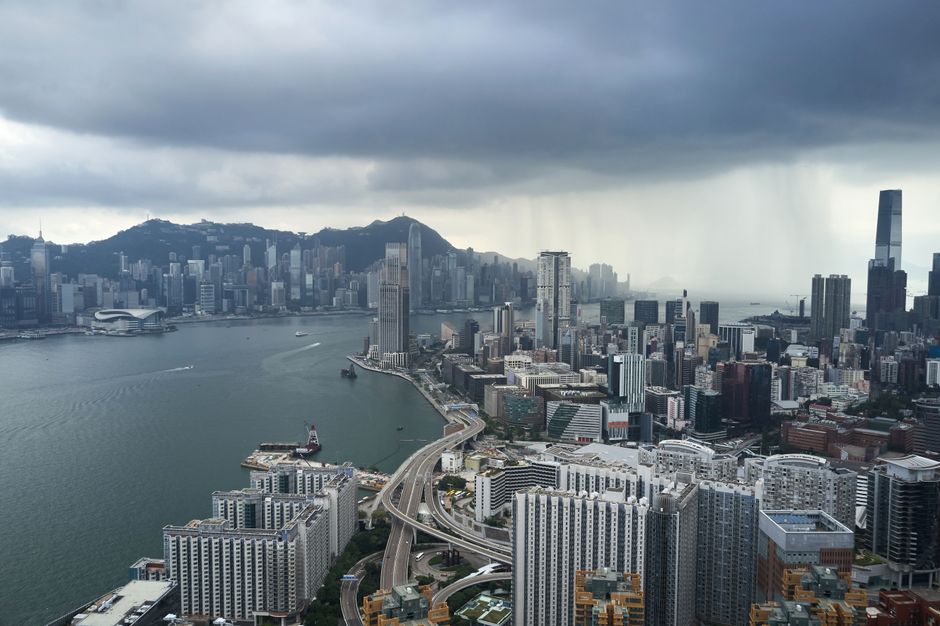
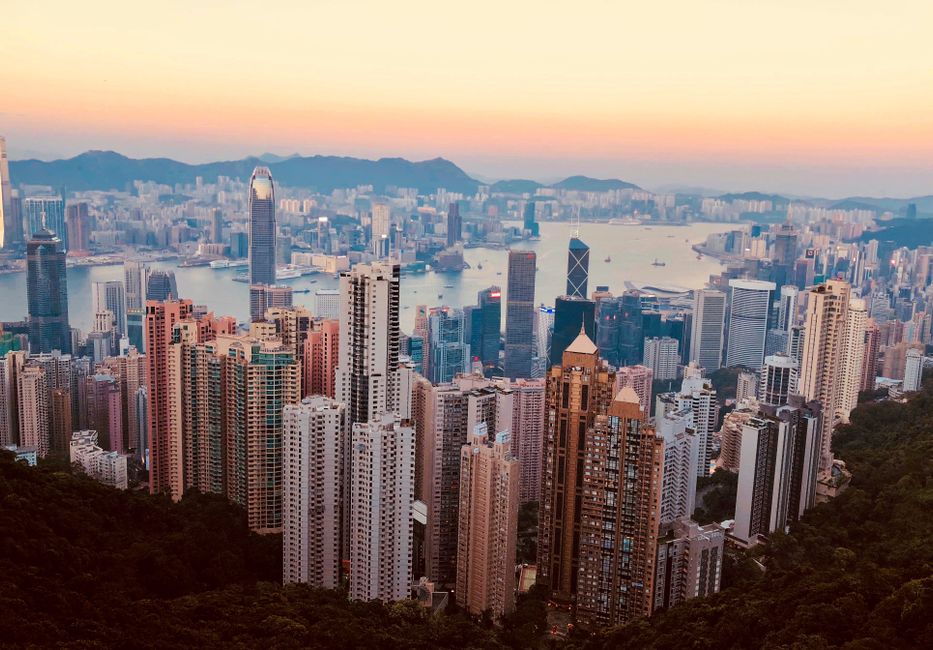
Hong Kong's retail and hospitality sectors are facing an unexpected convergence of global pressures that are reshaping everything from menu pricing to inventory strategies. As geopolitical tensions simmer across multiple continents—from Middle Eastern standoffs to African health crises—operators in the city's most vibrant business districts are recalibrating operations in real time.
The impact is tangible. F&B venues along Lan Kwai Fong and in Sheung Wan are reporting increased ingredient costs as supply chains from Southeast Asia remain unpredictable. Premium dining establishments that rely on imports—particularly European wines and Middle Eastern spices—are seeing freight costs rise by 8-12 percent compared to last year, according to preliminary data from the Hong Kong Hospitality Association. Some operators are reducing their wine lists or rotating suppliers to mitigate exposure.
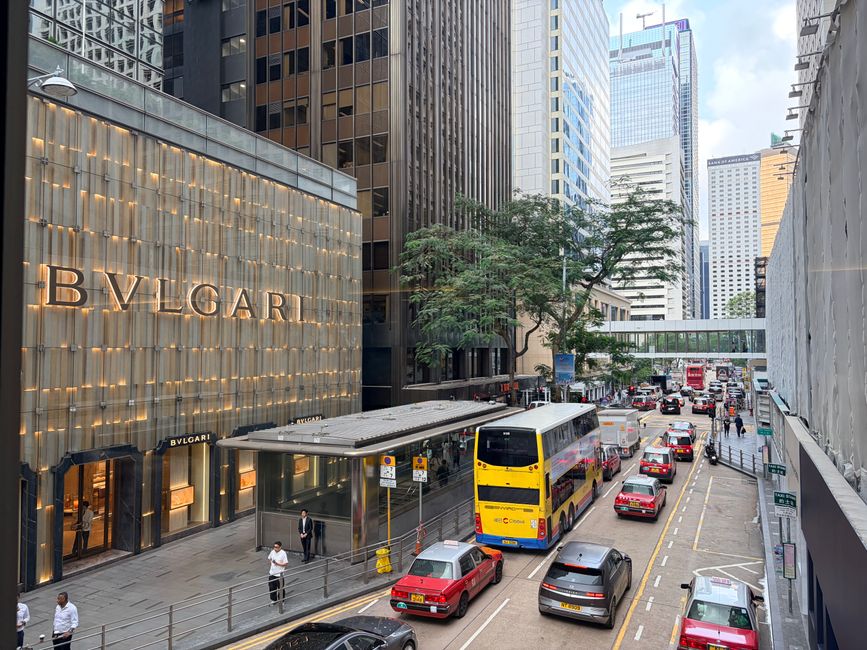
Retail foot traffic in Causeway Bay and Central has grown modestly at 3.2 percent year-on-year, but conversion rates among international visitors have dipped noticeably. Tourist spending in the city fell 6 percent in the first quarter of 2026 compared to the same period last year, partly attributable to travel hesitations linked to regional instability. Local boutique retailers on Des Voeux Road Central report that window-shopping numbers remain robust, yet actual transactions from overseas visitors have softened considerably.
The broader consumer confidence picture matters too. Hong Kong's retail sales index declined 2.1 percent in May, the first contraction in four months. Economists point to international uncertainty as a dampening force on both local and visitor spending. For restaurant operators in areas like Mong Kok and Tsim Sha Tsui, this translates to more cautious seating strategies and promotional activity to fill tables during traditionally slower midweek periods.
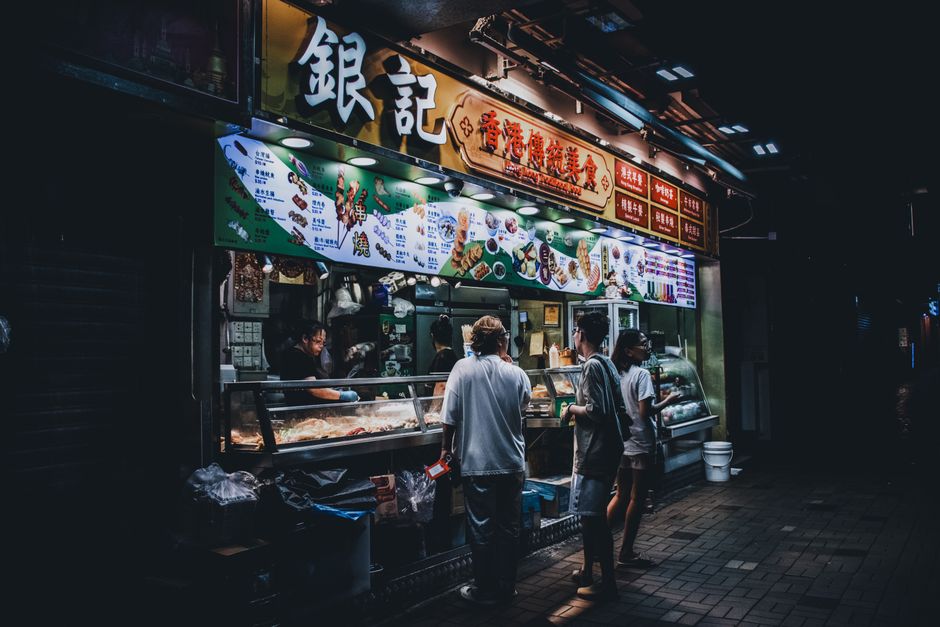
One bright spot: demand for affordable, quick-service dining has accelerated. Operators in the dim sum and casual noodle sector report robust foot traffic as consumers trade down from fine dining. This has created opportunities for entrepreneurs willing to focus on value-driven offerings, though labour shortages in hospitality remain a persistent drag on margins.
Industry observers note that businesses with diversified supplier networks and flexible menu engineering are weathering the current environment best. Larger operators with hedging capacity are absorbing costs; smaller establishments are passing increases directly to consumers, with average meal prices in mid-tier restaurants climbing 4-5 percent since early 2026.
As we move into the second half of the year, Hong Kong's hospitality sector faces a delicate balancing act: maintaining competitiveness while adapting to a world where geopolitical shocks now carry immediate commercial consequences.
This article was compiled by AI from the sources linked above and screened before publishing. See our editorial standards.