Hong Kong's startup ecosystem is sending mixed signals, and understanding what the data actually means has become essential for founders and investors navigating 2026's volatile landscape.
The headline numbers look concerning at first glance. According to recent venture capital tracking data, funding rounds in Greater China dropped 32% year-over-year through the first half of 2026, with Hong Kong's share shrinking faster than Shanghai or Shenzhen. Yet dig deeper into the figures, and a more nuanced picture emerges—one that suggests structural shifts rather than collapse.
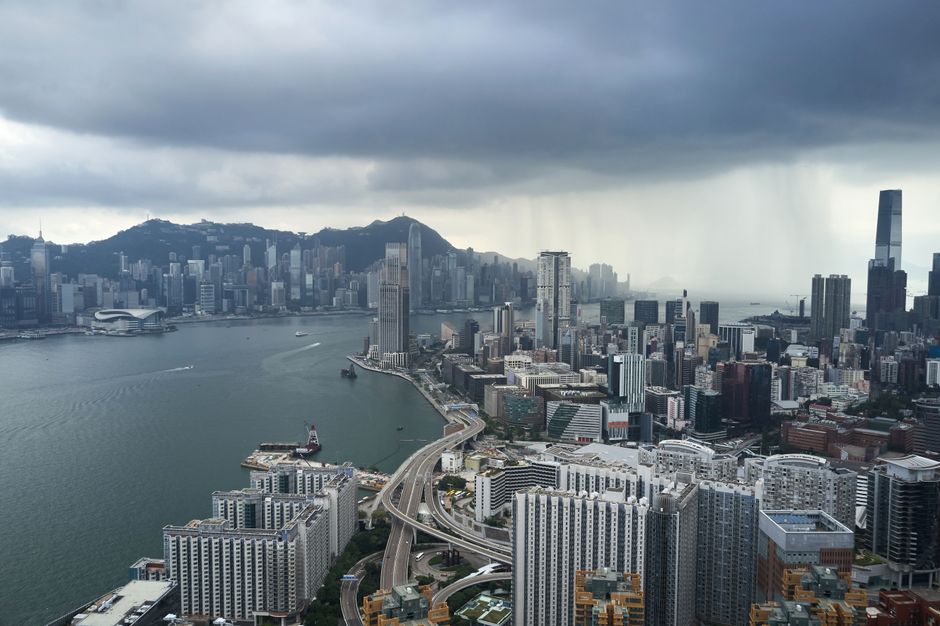
Take the Innovation and Technology Park in Pak Shek Kok as a barometer. The 31-hectare development, which opened in 2023, is now at 73% occupancy, with average office rents stabilising around HK$35-40 per square foot annually. That's down from HK$48 at peak 2024, but the decline reflects market correction, not abandonment. "We're seeing quality tenants consolidating," explains one property manager tracking the precinct. The outflow includes speculative firms; inflow includes established tech companies seeking cost efficiency.
The critical indicator lies in Series A and B funding rounds, which typically signal investor confidence in a market's operational maturity. Hong Kong's mid-stage funding—rounds between US$5 million and US$25 million—remains relatively resilient, declining only 12% rather than the steeper 30%+ drops seen in seed and mega-rounds. This suggests venture firms are getting selective rather than fleeing.
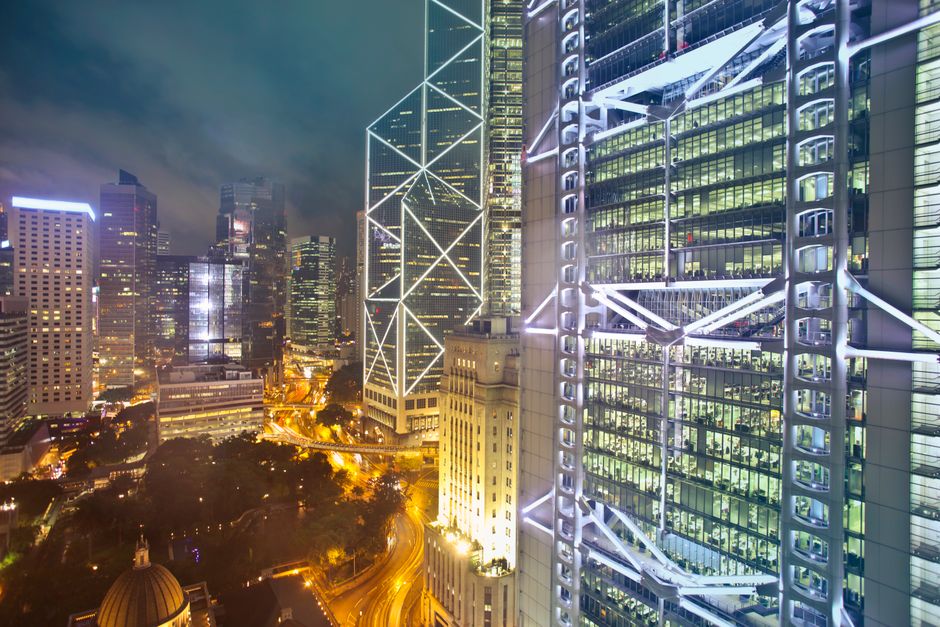
Causeway Bay and Central remain hotbeds for fintech and Web3 activity, where regulatory clarity around Hong Kong's 2024 digital asset licensing framework has created competitive advantage versus Southeast Asian hubs. Venture firms managing US$100 million-plus Asia-focused funds are making deliberate bets here, particularly in embedded finance and institutional crypto infrastructure.
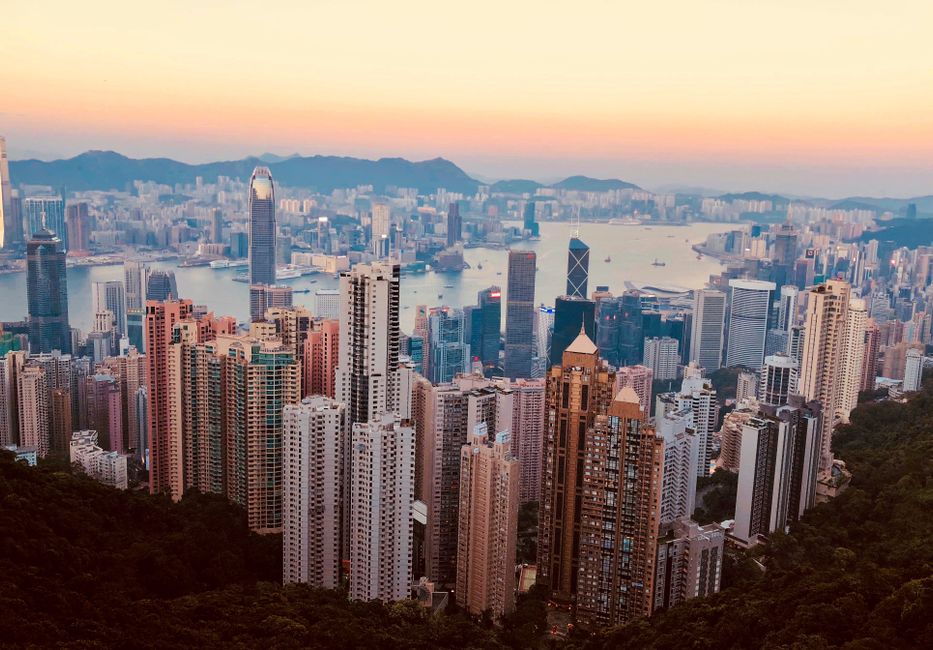
What's genuinely shifting is the venture capital's geographic concentration. Firms managing capital are increasingly splitting focus between Hong Kong and Singapore, treating them as complementary nodes rather than competing destinations. This isn't necessarily negative—it reflects a maturing ecosystem where Hong Kong's strengths (regulatory frameworks, banking infrastructure, mainland proximity) attract different capital than Singapore's draw (Southeast Asia gatekeeping role).
For founders interpreting these signals: capital remains available for teams building in sectors with clear regulatory pathways—fintech, biotech, green tech, semiconductor design. The 2026 tightening is fundamentally a repricing away from growth-at-all-costs toward unit economics discipline, a healthy correction that rewards operational rigour over hype cycles.
Hong Kong's startup ecosystem isn't shrinking; it's maturing.
This article was compiled by AI from the sources linked above and screened before publishing. See our editorial standards.