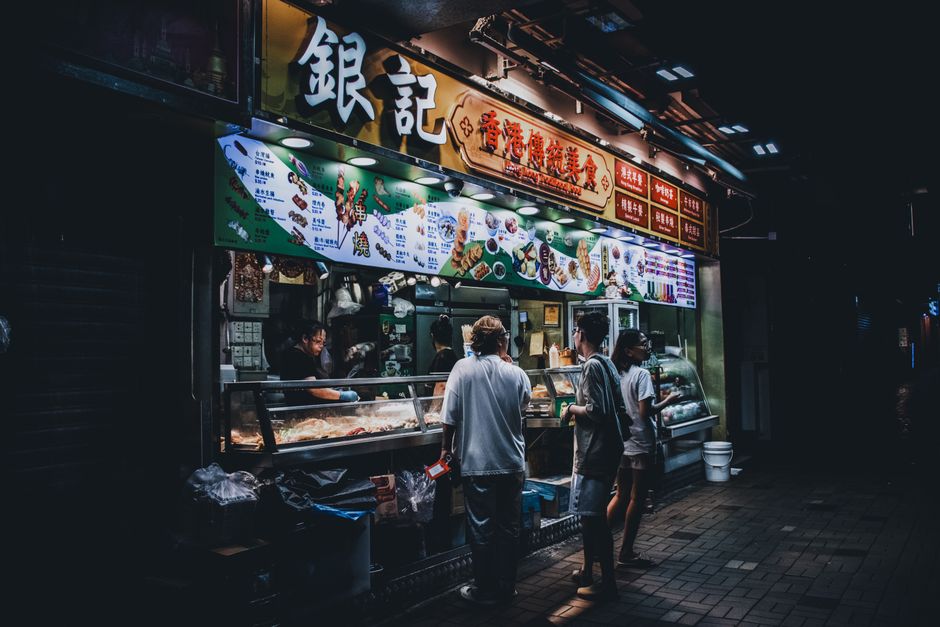
In a modest corner of Lockhart Road in Wan Chai, nestled above a dai pai dong restaurant, sits the headquarters of GreenWrap Solutions—a company that has quietly become one of Hong Kong's most compelling small business success stories.
Founded in 2018 by Rebecca Wong, a former supply chain manager at a multinational, GreenWrap began as a modest venture addressing a simple problem: Hong Kong's retail and food service sectors were drowning in single-use plastics, yet sustainable alternatives remained expensive and inaccessible for small merchants. Wong's solution—biodegradable, cost-competitive packaging made from agricultural waste—has since grown into a regional operation supplying over 2,000 businesses across Hong Kong, Singapore, and Vietnam.
The numbers tell a compelling story. What started with a single client generating HK$50,000 in annual revenue has evolved into a firm posting HK$48 million in turnover last year, with projections to exceed HK$65 million by 2027. More impressively, the company now employs 87 people across three warehouses—one in Tuen Mun, another in Sheung Wan, and a distribution hub in Shenzhen.
Wong's ascent reflects broader shifts in Hong Kong's entrepreneurial landscape. Unlike previous generations of small business owners who operated narrowly within local markets, today's brightest operators leverage technology, environmental consciousness, and regional trade networks to scale rapidly. The government's StartmeupHK Fund has backed Wong's firm twice, most recently with HK$2.4 million in co-investment alongside private venture capital.
What distinguishes GreenWrap from competitors isn't just execution but philosophy. The company operates on a subscription model, allowing restaurants and retailers to lock in prices around HK$1.50 per unit—undercutting traditional plastic suppliers by roughly 20 percent while avoiding the environmental guilt. Major clients include dim sum chains in Causeway Bay, boutique bakeries across Central and Sheung Wan, and emerging chains across the New Territories.
The operation hasn't been frictionless. Supply chain disruptions in 2023 threatened to derail the business entirely. Yet Wong's decision to establish direct relationships with agricultural cooperatives in Guangdong rather than relying on middlemen proved transformative, reducing input costs by 35 percent and shortening lead times.
For Hong Kong's small business ecosystem, GreenWrap exemplifies an encouraging trend: homegrown entrepreneurs are no longer content to serve niche local needs. Instead, they're building companies capable of competing regionally and sometimes globally—all while addressing urgent sustainability challenges. As Wong recently noted in an investor presentation, the packaging waste problem in Asia represents a HK$180 billion market opportunity. In Wan Chai, one Lockhart Road office at a time, she's working to capture it.
This article was compiled by AI from the sources linked above and screened before publishing. See our editorial standards.