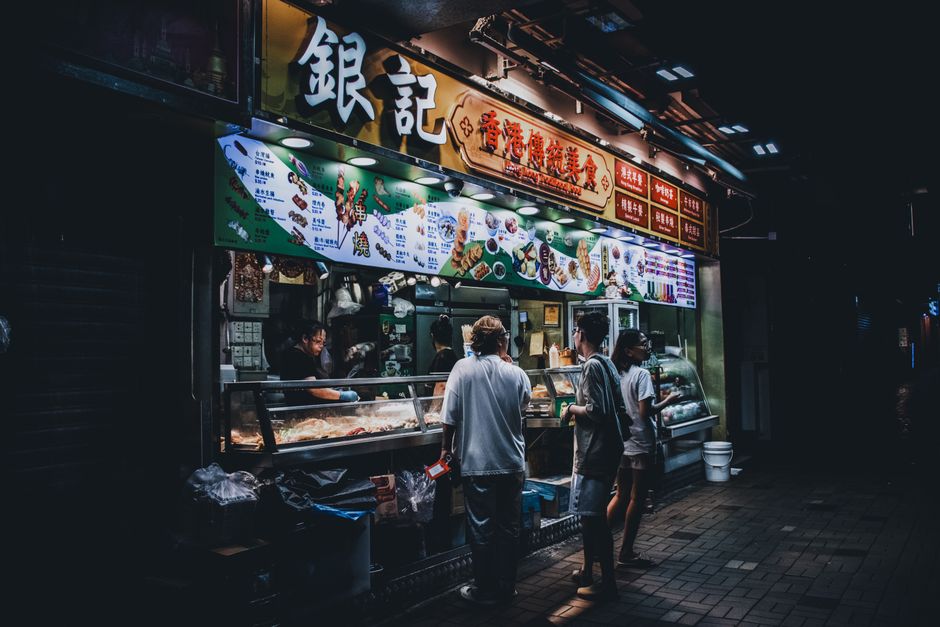
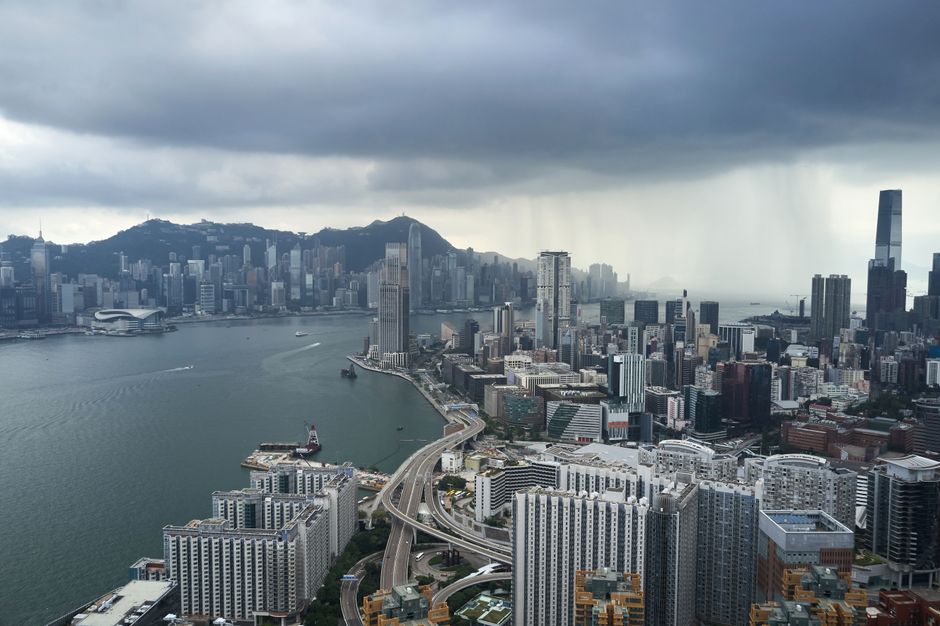
Walk through Wet Market in Central on any weekday morning, and you'll see locals debating the price of Norwegian salmon and New Zealand beef. Yet few realise that every item in their shopping basket is shaped by trade negotiations happening thousands of kilometres away—negotiations that directly affect their cost of living.
For Hong Kong residents, the stakes are particularly high. Our city processes over $1.2 trillion in annual trade flows, with approximately 90 percent of our food imports coming from overseas. A shift in U.S.-China tariffs, a new mining deal affecting rare earth elements, or tensions in the Strait of Hormuz can ripple through supermarket shelves within weeks.
Consider what happened recently when Middle East tensions spiked fuel costs. Shipping prices to ports at Kwai Tsing and Tsuen Wan increased by roughly 15-20 percent, eventually trickling down to your grocery bill. A carton of imported milk that cost HK$18 in January 2026 is now closer to HK$20.50. That's not inflation in the traditional sense—it's geopolitics translated into cents.
The same applies to electronics. Smartphones and laptops sold at Fortress outlets in Causeway Bay often contain components from conflict-prone regions or countries with unstable trade relationships. When mining operations face scrutiny or trade routes become uncertain, manufacturers pre-emptively raise prices, passing the anxiety along to consumers.
What should everyday Hong Kong residents understand? First, trade tensions abroad drive local prices at home—sometimes months before news headlines clarify why. Second, Hong Kong's position as a trade and logistics hub means we're uniquely exposed to global disruptions but also uniquely positioned to absorb some shocks through our efficient port system.
Third, diversification matters. While Western brands dominate retail in Central and Causeway Bay, prices often reflect single-source supply chains. Products with more diverse sourcing—goods from Vietnam, Indonesia, or other regional suppliers—sometimes offer better value insulation against trade shocks.
Finally, as a consumer, staying informed about major trade negotiations and geopolitical hotspots isn't just background noise for economists. Understanding that a U.S.-Iran rapprochement or a new Africa trade deal could affect your petrol costs, your family's grocery expenses, and your next phone purchase empowers you to make smarter spending decisions.
The global economy isn't abstract. It's playing out every time you visit Wellcome or Park'n Shop.
This article was compiled by AI from the sources linked above and screened before publishing. See our editorial standards.