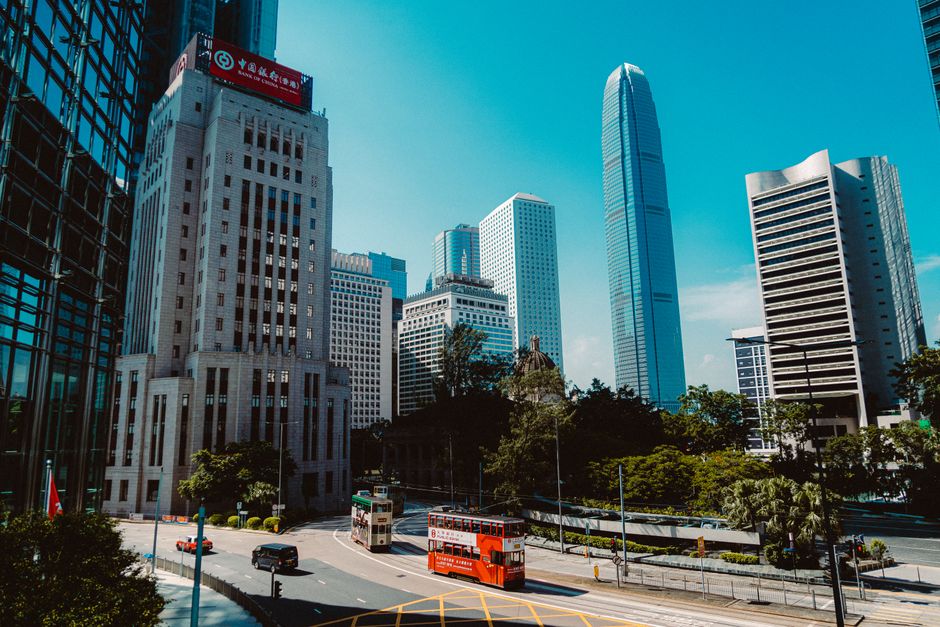
Walk along Des Voeux Road Central on any weekday morning and you'll spot the usual bustle of traders, freight forwarders, and logistics executives heading into the gleaming office towers. But behind the polished glass facades, anxiety is mounting. Hong Kong's international trade sector—long the lifeblood of the city's economy—is navigating a perfect storm of headwinds that threaten to derail growth this year.
The numbers tell a stark story. Port container throughput has declined 8.3 per cent year-to-date compared to 2025, according to preliminary figures from the Port and Maritime Board. Freight rates on the Asia-Europe corridor have become increasingly volatile, fluctuating wildly as shipping companies grapple with geopolitical route disruptions. The typical 20-foot container from Hong Kong to Rotterdam now commands premiums 22 per cent higher than this time last year, straining margins for mid-sized exporters clustered in the Sheung Wan and Central districts.
Middle-market trading houses based in the Dragon Centre in Sham Shui Po report that regulatory complications have multiplied. Heightened trade tensions between major powers have prompted new compliance requirements, forcing companies to invest heavily in documentation and certification systems. One freight forwarding association estimates compliance costs have surged 35 per cent annually for firms managing transshipments through multiple jurisdictions.
The broader backdrop is unmistakable: global supply chains remain fractured. Political instability in key regions has made traditional shipping corridors unpredictable. Technology disruptions, tariff uncertainty, and the lingering effects of competing regional trade blocs have created an environment where predictability—once Hong Kong's competitive edge—has become a luxury.
Perhaps most concerning for Hong Kong's business community is the structural shift in global commerce itself. Direct bilateral trade routes are increasingly bypassing the city's traditional entrepôt role. Smaller ports and alternative logistics hubs are capturing market share. The Hong Kong General Chamber of Commerce has noted that younger traders are exploring opportunities in secondary Asian cities, a troubling trend for a city that has depended on its position as Asia's premier trade hub for decades.
Yet there are glimmers of adaptation. Technology-enabled logistics startups in Cyberport are experimenting with blockchain-based supply chain transparency solutions. Some established trading houses are pivoting toward value-added services rather than volume-based arbitrage. Whether these innovations can offset the structural headwinds remains an open question as 2026 unfolds.
For now, the city's trade-dependent workforce waits to see if Hong Kong can reinvent itself—or if this year marks a turning point in its commercial decline.
This article was compiled by AI from the sources linked above and screened before publishing. See our editorial standards.