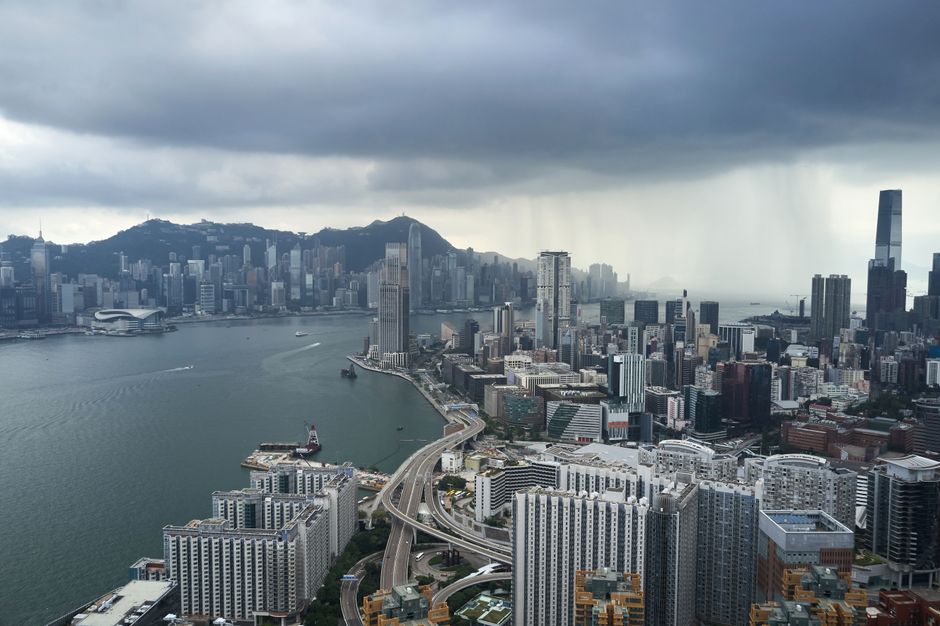
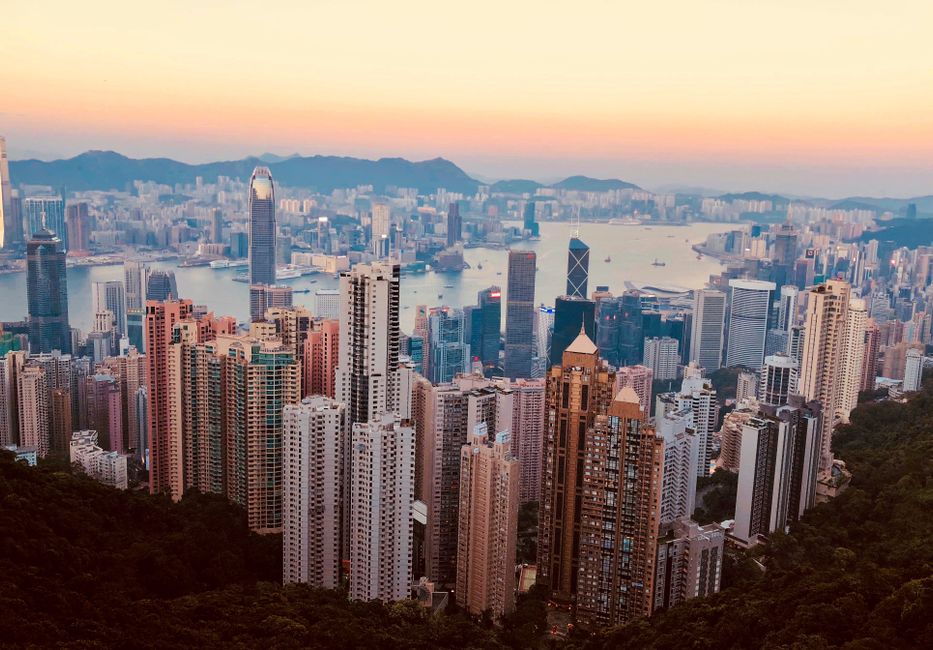
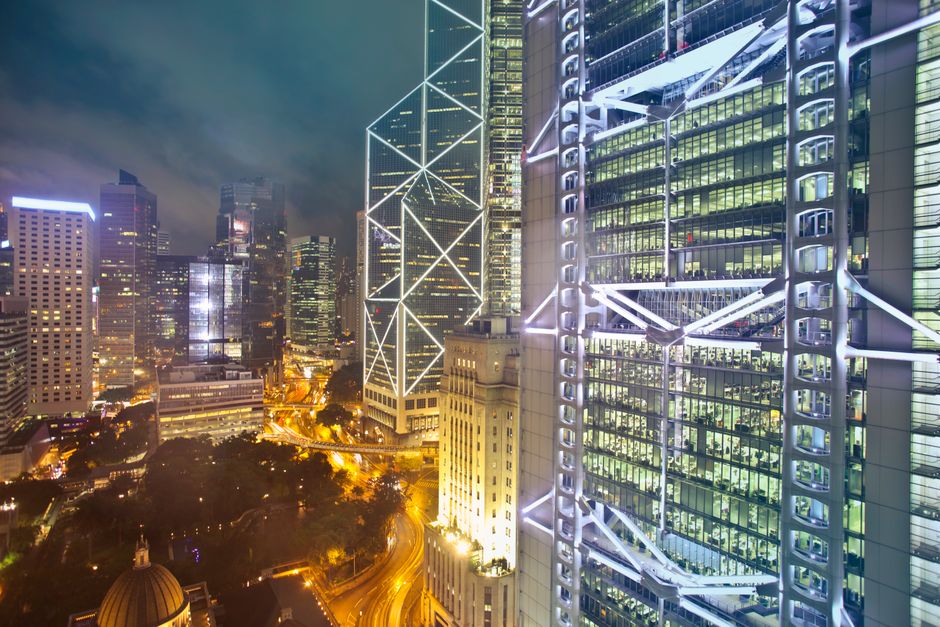
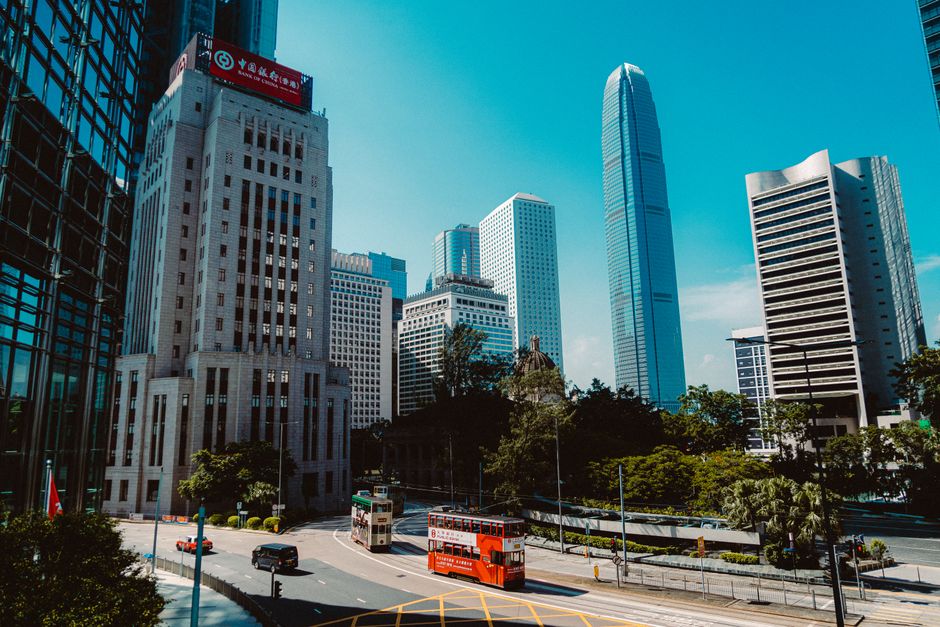
Hong Kong's traditionally brutal cost of living is showing signs of easing, and the business community is already positioning itself to profit from the shift. After years of double-digit rental increases and astronomical property valuations, the city's economic recalibration is opening unexpected doors for investors willing to think differently about where money moves next.
The past eighteen months have seen residential rents in core districts like Central and Wan Chai flatten, with some properties on Wyndham Street and surrounding areas experiencing 8-12% corrections from their 2024 peaks. Meanwhile, mid-tier neighbourhoods like Quarry Bay and Kennedy Town are attracting a new wave of young professionals and families previously priced out of desirable locations. This demographic shift isn't merely a housing story—it's reshaping consumption patterns across the city.
Property developers have already responded. Several are repositioning portfolio assets toward mixed-use developments that blend affordable serviced apartments with co-working spaces and retail, particularly along the MTR corridors extending into the New Territories. Simultaneously, the hospitality and F&B sectors are experiencing a renaissance in secondary locations. Restaurant groups are opening second and third venues in areas like Sheung Wan's back streets and along Des Voeux Road West, where rent-to-revenue ratios have become viable again.
Financial services firms are equally alert. Several wealth management boutiques have relocated from the Central towers to more affordable office space in Admiralty and Causeway Bay, redirecting savings into technology infrastructure and talent acquisition. The shift reflects a broader realization: lower operational costs can translate to better service offerings and competitive pricing—advantages particularly attractive to Hong Kong's growing mass-affluent segment.
Technology and logistics companies are the biggest beneficiaries. Reduced commercial real estate costs in areas like Kwai Fong and Tseung Kwan O are enabling startups to scale operations without the prohibitive overhead that previously made Hong Kong inaccessible to early-stage ventures. Several venture capital firms have opened secondary hubs outside Central, betting that the city's talent pool will follow improved affordability.
Consumers, too, are reshaping their patterns. With housing costs easing incrementally, discretionary spending is creeping upward, benefiting retail and personal services sectors. Shopping centres in residential areas like Tiu Keng Leng and Tai Po are reporting stronger traffic and conversion rates.
The opportunity isn't about Hong Kong becoming cheap—it remains one of the world's most expensive cities. Rather, it's about a recalibration that's creating pockets of genuine value. Those who recognize which sectors and neighbourhoods benefit most from this transition stand to outpace competitors still chasing yesterday's opportunities.
This article was compiled by AI from the sources linked above and screened before publishing. See our editorial standards.