Hong Kong's tourism engine, which powered a remarkable recovery to 91% of pre-pandemic visitor numbers in 2025, is now facing unexpected headwinds as global instability reshapes travel patterns and business confidence.
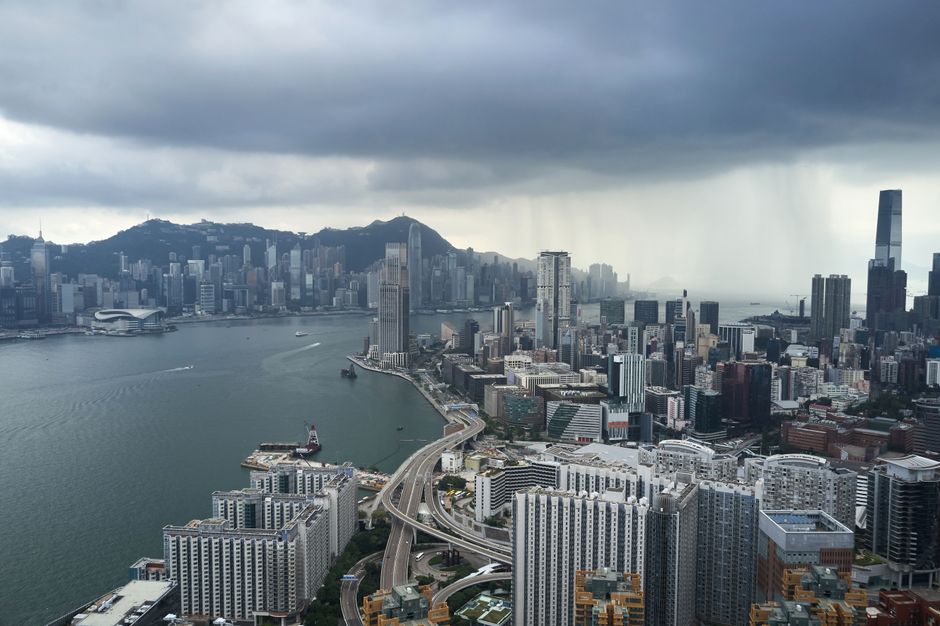
The convergence of multiple international crises—escalating Middle East tensions, the Ebola outbreak in DR Congo, and broader geopolitical uncertainty—is already measurable in bookings and foot traffic across the city's key tourism zones. Hotels in Central and Causeway Bay, which saw occupancy rates climb to 78% in the first half of 2026, are now reporting softer inquiry rates for July onwards, according to conversations with major operators. International visitor arrivals, which had grown 12% year-on-year through May, show signs of deceleration.
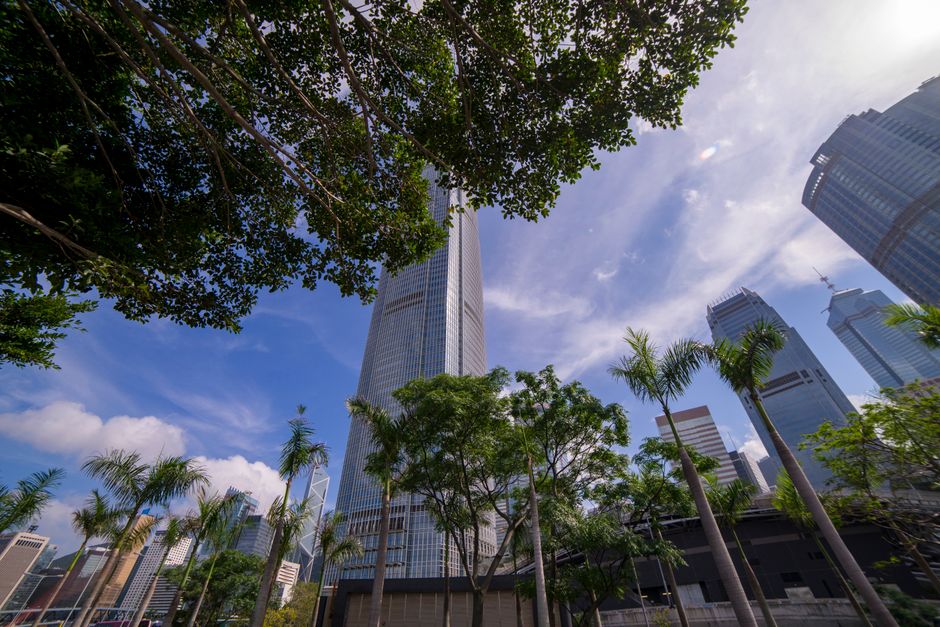
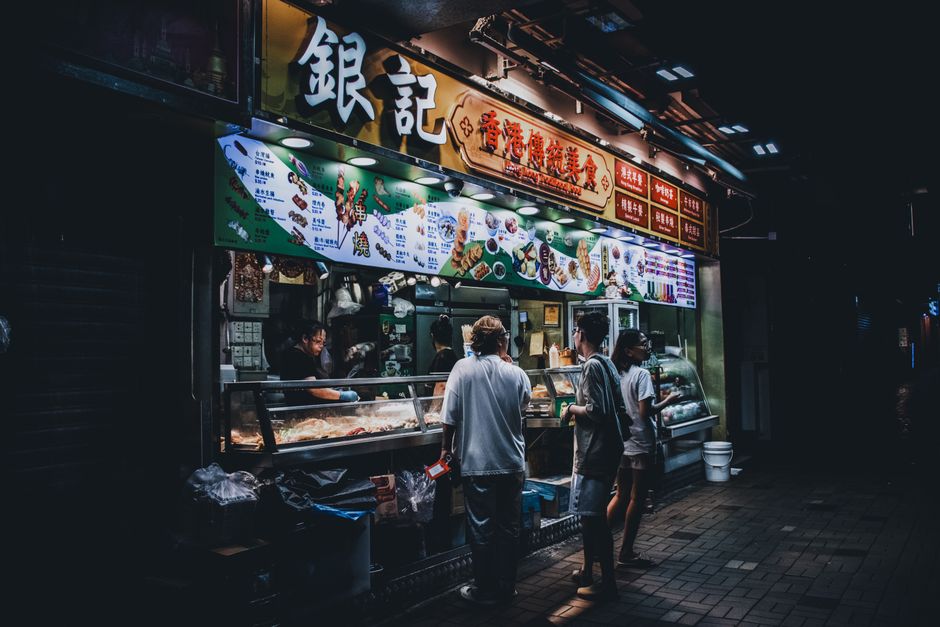
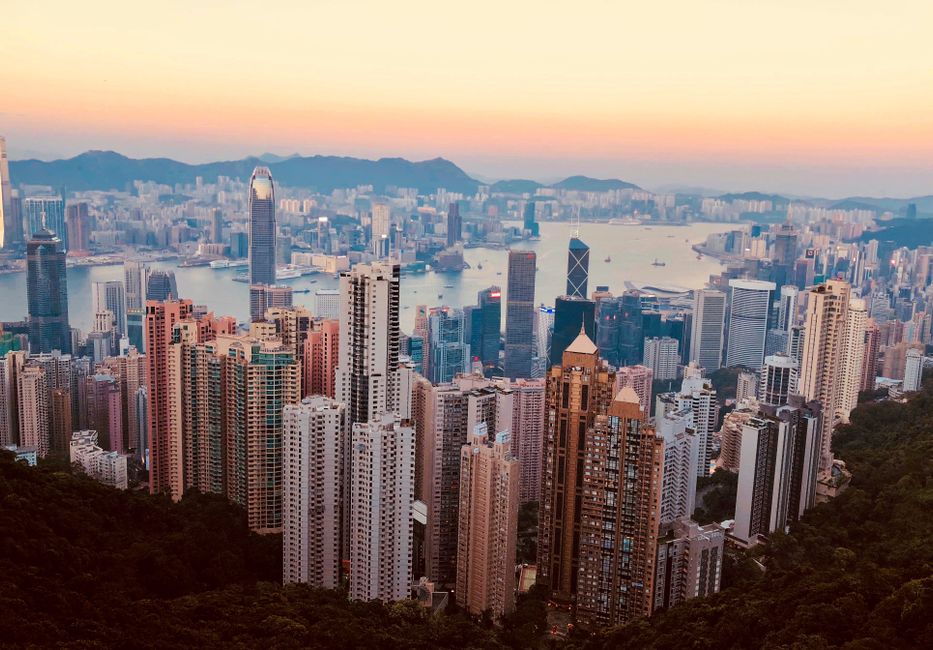
For street-level businesses, the impact is immediate and tangible. Retailers along Des Voeux Road Central and in Tsim Sha Tsui's pedestrian zones report that tour groups from North America and Europe—typically high-spending demographics—have contracted sharply since mid-June. Restaurant reservation platforms show booking cancellations at premium establishments around Victoria Peak and Central averaging 8-12% week-on-week.
The numbers matter: tourism contributed HK$164 billion to Hong Kong's economy in 2025, employing over 290,000 workers directly. Even modest slowdowns cascade through the supply chain—from hotel housekeeping to taxi drivers to souvenir wholesalers in Mong Kok.
What makes this crisis cycle different from previous shocks is its unpredictability. Unlike the COVID-19 pandemic or 2019's civil unrest, geopolitical volatility is diffuse and difficult for businesses to forecast. A family from Frankfurt may postpone their summer holiday due to Middle East unease; corporate retreat groups from Singapore may consolidate trips. Airlines serving Hong Kong are already reporting lower premium-cabin bookings on Europe and Middle East routes.
The Hong Kong Tourism Board has responded by diversifying marketing efforts toward Asia-Pacific markets and emphasizing safety messaging. But regional competitors—Singapore, Bangkok, Seoul—face similar pressures and are aggressively discounting to protect market share.
The stakes are high. Tourism operators who banked on sustained momentum through 2026 are now recalibrating budgets. Labour-intensive sectors like hotels and attractions face difficult choices: maintain staffing for a potential rebound or cut costs immediately. For Hong Kong's broader economy, which relies on tourism and hospitality to anchor service sector employment, the next six months will test whether this city's vaunted resilience extends to managing global forces beyond its control.
This article was compiled by AI from the sources linked above and screened before publishing. See our editorial standards.