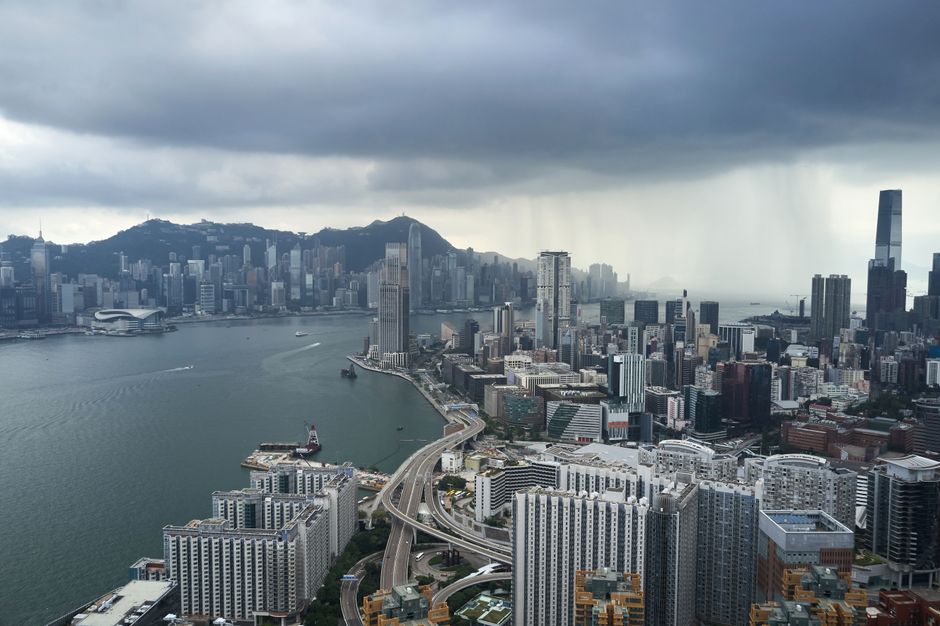
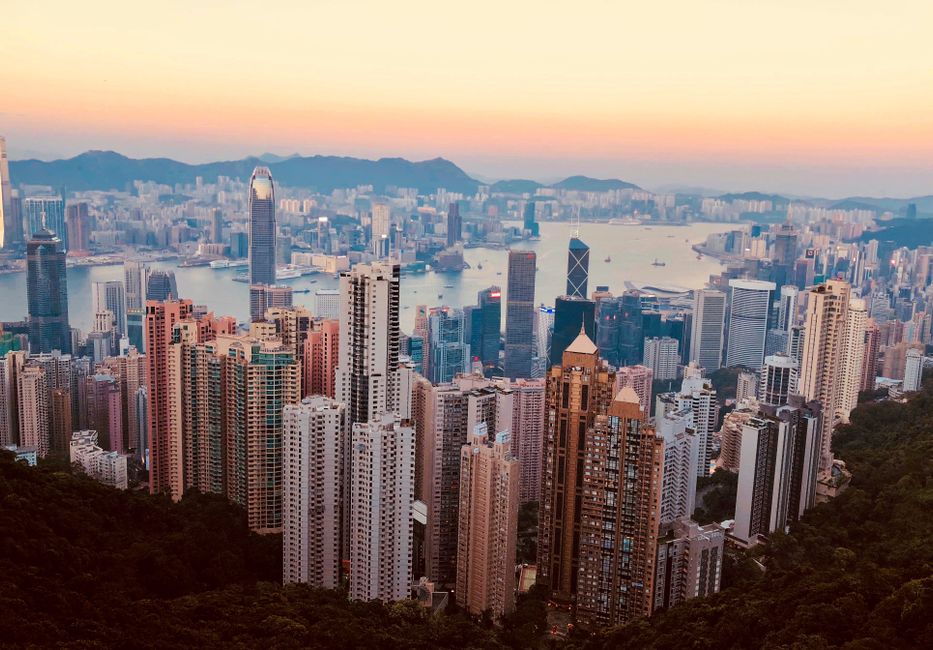
Hong Kong's startup ecosystem is experiencing a profound shift. After years of playing second fiddle to Singapore and Shanghai, the city is crystallising its ambitions around life sciences, with a particular focus on biotech and pharmaceutical innovation. The opportunity emerging is significant—and the winners are already becoming apparent.
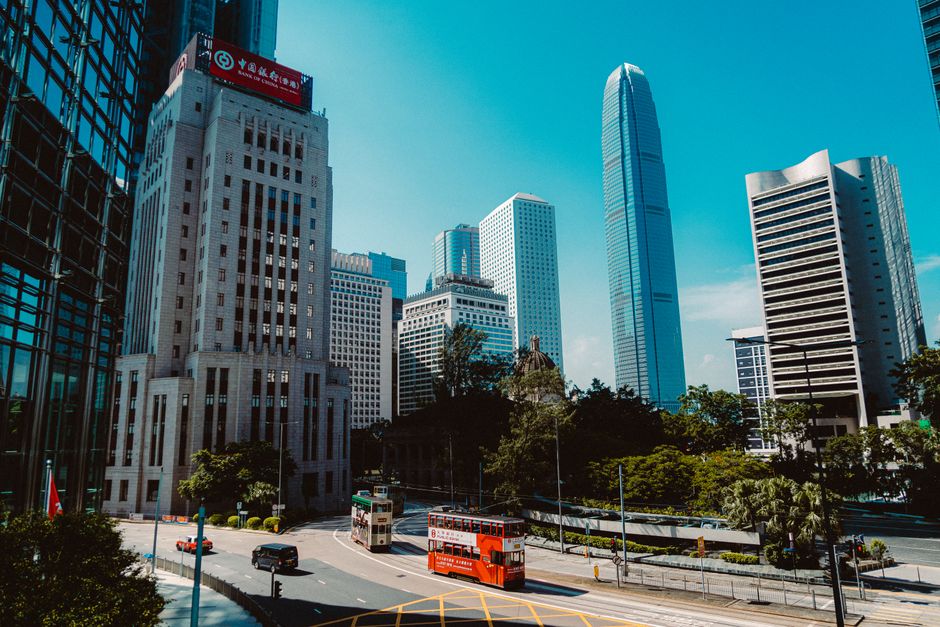
The catalyst is clear: government backing. Hong Kong's Innovation and Technology Bureau has committed substantial resources to developing innovation districts, with particular emphasis on converting underutilised office space in Taikoo Place—the heart of the city's traditional financial district on the eastern corridor of Hong Kong Island—into purpose-built biotech hubs. Rents in these converted spaces hover around HK$35 to HK$45 per square foot annually, roughly 40 percent below prime office rates, creating immediate cost advantages for laboratory-intensive ventures.
Early beneficiaries include biotech firms relocating from Sheung Wan's cramped co-working spaces. Companies focusing on diagnostics, drug discovery, and medical devices are consolidating their operations into larger Taikoo facilities with proper biosafety infrastructure. One emerging pattern: firms that secured space before the most recent rental surge—roughly eighteen months ago—are now sitting on significant equity advantages as subsequent waves of tenants pay premium rates.
The Hong Kong Science and Technology Parks Corporation has also expanded its footprint, particularly in the Shatin facility. Their latest cohort of incubated startups includes seventeen biotech ventures, up from eight two years prior. Access to subsidised laboratory space, shared equipment, and regulatory mentorship through these parks has become a genuine competitive advantage. Companies report reducing setup costs by 30 to 50 percent compared to establishing independent facilities.
Real estate players are capitalising too. Property developers with holdings near the Science Park and along the Taikoo corridor are repositioning portfolios toward lab-ready spaces. Several have begun retrofitting older commercial buildings with modular laboratory setups, creating plug-and-play environments for founders.
Venture capital activity reflects this shift. Hong Kong-based and Southeast Asian funds have deployed approximately US$280 million into local biotech startups in the first half of 2026—outpacing the previous two years combined. Much of this capital is gravitating toward teams already embedded in the innovation districts, where proximity to regulatory bodies, talent pools, and established infrastructure reduces perceived risk.
The broader opportunity extends beyond immediate players. Service providers—legal firms specialising in pharmaceutical IP, contract research organisations, and recruitment agencies—are establishing dedicated biotech practices. The ecosystem is densifying rapidly, creating a virtuous cycle of specialisation and efficiency that transforms Hong Kong's startup narrative from generalist to focused.
The race is on, but the advantage belongs to those already positioned.
This article was compiled by AI from the sources linked above and screened before publishing. See our editorial standards.