Business
Hong Kong's Tourism Sector Faces Perfect Storm of Headwinds in 2026
Despite recovery hopes, weakening regional demand, geopolitical tensions and intense competition are testing the city's visitor economy.
3 min read
Updated 4 h ago
Business
Despite recovery hopes, weakening regional demand, geopolitical tensions and intense competition are testing the city's visitor economy.
3 min read
Updated 4 h ago
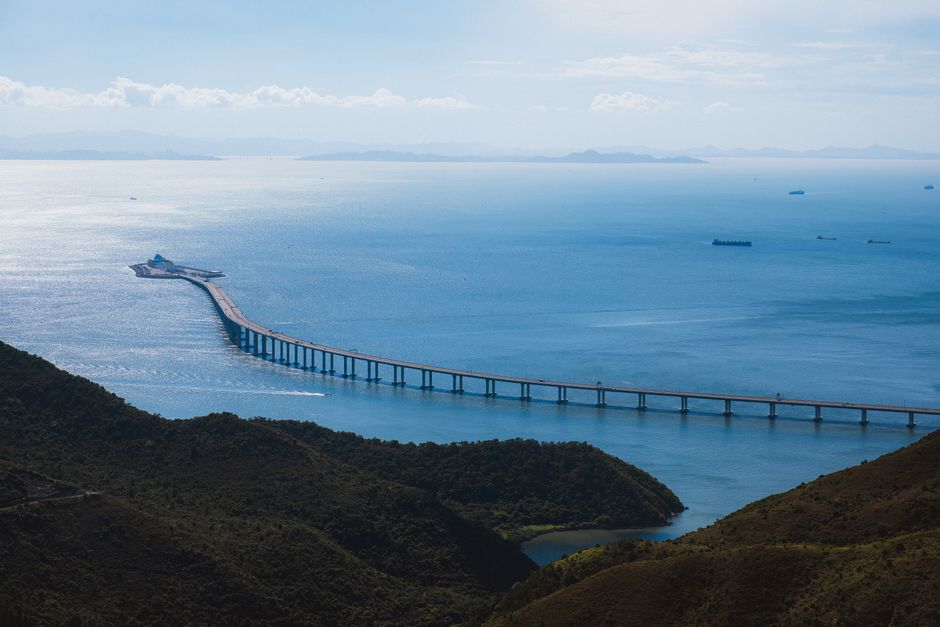
Hong Kong's tourism industry is bracing for a challenging year as multiple headwinds converge on what was once Asia's most reliable visitor magnet. While the sector has clawed back from pandemic lows, achieving 28.3 million arrivals last year, 2026 presents a markedly different landscape—one shadowed by softening regional demand, elevated geopolitical risks, and fiercer competition from rival Asian destinations.
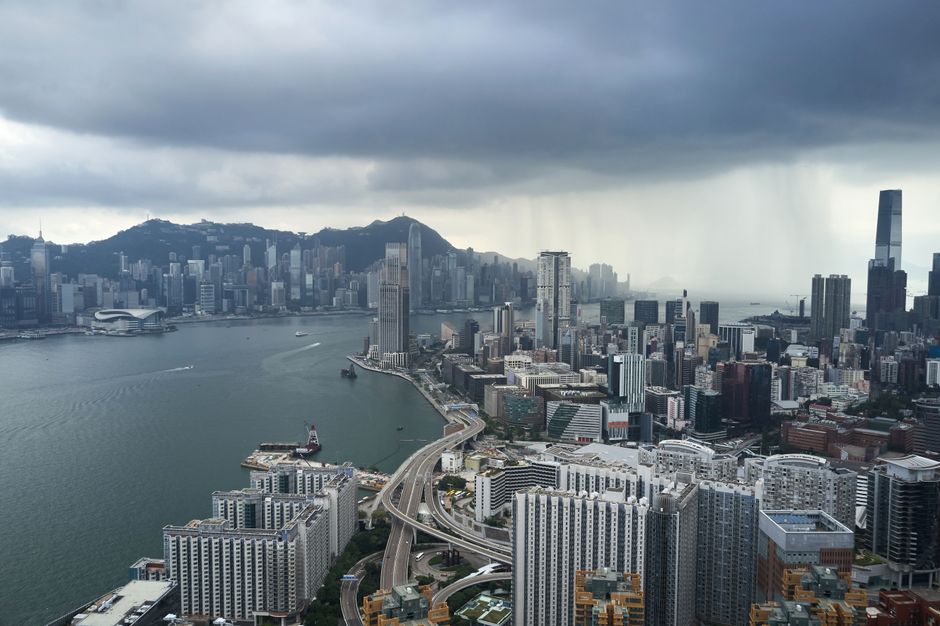
The numbers tell a sobering story. Tourism Board data shows year-to-date visitor arrivals through May running 12 percent below the same period in 2025, a reversal that has rippled through Central's luxury hotel corridors and across the bustling street markets of Mong Kok. Occupancy rates at five-star properties along the Tsim Sha Tsui waterfront have slipped to 73 percent, down from the low 80s just eighteen months ago. Mid-range hotels in Wan Chai and Causeway Bay report even steeper declines.
Multiple pressures are at play. A sluggish recovery in Chinese domestic travel—historically Hong Kong's lifeblood—has hit particularly hard. Economic headwinds on the mainland, combined with Chinese tourists' growing preference for Southeast Asian alternatives, have created a supply-and-demand imbalance that hotels and attractions cannot ignore. Average visitor spend has also contracted, with fewer travellers willing to pay premium prices for retail experiences on Des Voeux Road Central or dining in Michelin-starred establishments.
Regional competition has sharpened considerably. Bangkok, Singapore, and Bali have all mounted aggressive marketing campaigns, offering competitive pricing and novel experiences that lure away budget-conscious travellers. Vietnam's emerging tourism infrastructure has further fragmented the Asian visitor pie.
Geopolitical uncertainty compounds these commercial challenges. Tensions in the Taiwan Strait and broader US-China frictions have made some international leisure travellers cautious about Asian travel plans. Business travel—a resilient revenue stream—has suffered as multinational conferences and trade shows relocate or go hybrid, directly affecting demand at venues like the Hong Kong Convention and Exhibition Centre in Wan Chai.
The retail sector, deeply intertwined with tourism, is feeling the pinch acutely. Major shopping districts including Causeway Bay and Tsim Sha Tsui have seen rising vacancy rates among flagship stores, whilst foot traffic metrics reported by the Retail Management Association show double-digit year-on-year declines.
Industry observers acknowledge the sector faces structural headwinds unlikely to reverse quickly. Recovery will demand strategic repositioning—moving beyond traditional shopping tourism toward experiential offerings, wellness retreats, and cultural immersion. Without such adaptation, Hong Kong risks ceding further ground to regional competitors in an increasingly crowded marketplace.
This article was compiled by AI and screened before publishing. See our editorial standards.
Business
Business
Business
Business
About this article
Published by The Daily Hong Kong
Spread the word
Daily brief
Free, in your inbox before 7am. Weekdays.
Before you go
The day's Hong Kong news in a 2-minute read. Free, weekday mornings.