Hong Kong's retail and hospitality sectors are navigating a precarious moment as geopolitical tensions abroad directly threaten margins and consumer confidence locally. With ongoing Middle East instability and unpredictable currency movements, restaurant operators along Des Voeux Road Central and boutique retailers in Central's shopping district are implementing contingency measures that could reshape the city's commercial landscape in coming months.
The escalating rhetoric between the U.S. and Iran—particularly concerning the Strait of Hormuz—has already sent ripples through Hong Kong's supply chain. Restaurant operators report that imported beef and specialty oils from the Middle East and Europe face delayed shipments and elevated freight costs. A mid-range Italian restaurant in Soho notes that their sourcing costs have risen approximately 12–15% since April, forcing management to evaluate menu adjustments ahead of the summer tourist influx.
Currency volatility adds another layer of complexity. The Hong Kong dollar's peg to the U.S. currency means retailers and F&B establishments dependent on European stock are facing significant headwinds. Major chains operating across Central and Causeway Bay report that purchasing power in euro-denominated inventory has weakened, compressing already-tight margins in a competitive market where average table turnover in premium dining venues remains modest.
Travel disruptions elsewhere—including the ongoing challenges in Africa and security concerns in parts of the Middle East—are also subtly reshaping Hong Kong's visitor demographics. While the city remains a preferred hub, tour operators report cautious booking behaviour among European and American travellers. This directly impacts foot traffic in Mong Kok's retail corridors and explains why some mid-tier F&B establishments report flatter year-on-year growth than anticipated.
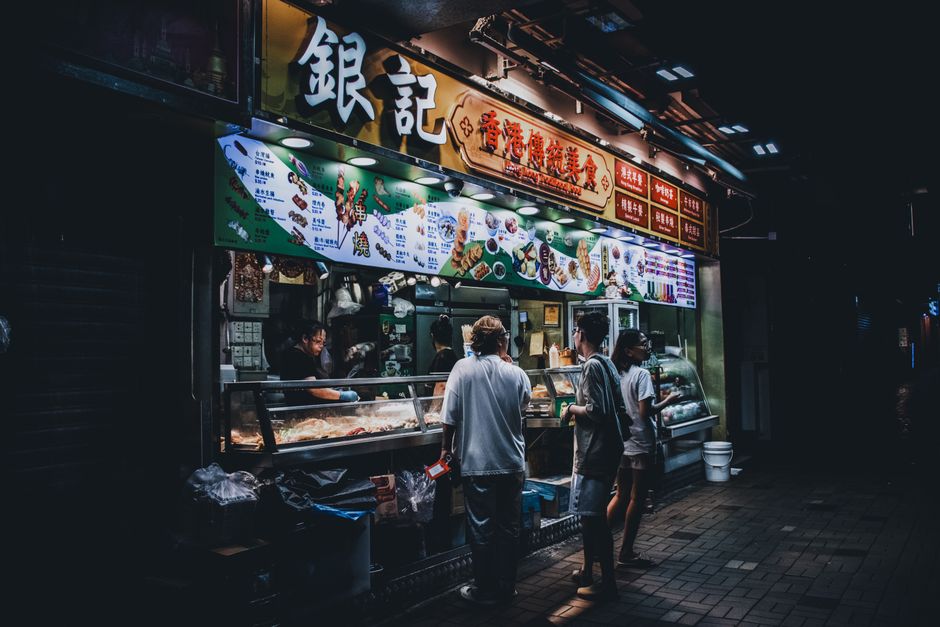
Yet resilience remains. Luxury hospitality operators in Admiralty and high-end retailers on Fashion Street report that wealthy Asian clientele—particularly from Southeast Asia and mainland China—continue spending patterns relatively unchanged. Local dim sum restaurants and casual dining venues serving the residential communities show steady demand, suggesting bifurcation in consumer behaviour.
Industry bodies, including the Hong Kong Retail Management Association, are closely monitoring currency and commodity futures. Operators are diversifying sourcing strategies and accelerating automation in back-of-house operations to offset labour costs amid inflation. Some establishments are experimenting with dynamic pricing models—a practice still uncommon in Hong Kong—to manage demand volatility.
The consensus among business leaders: the next six months will test operational flexibility and supply chain innovation. Global shocks, once abstract concerns, now sit firmly on the spreadsheets of every serious operator from Stanley's beachfront venues to Quarry Bay's emerging food hall.
This article was compiled by AI from the sources linked above and screened before publishing. See our editorial standards.