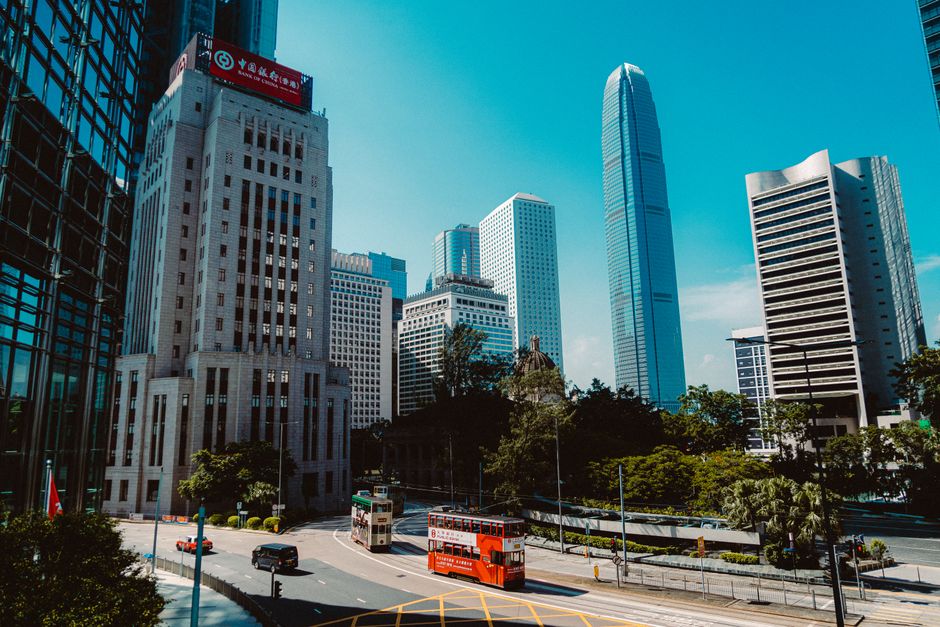
Hong Kong's economy is sending mixed signals. While the city's status as a global financial hub remains intact, the interplay between interest rates, foreign direct investment (FDI), and local purchasing power tells a story that deserves closer examination.
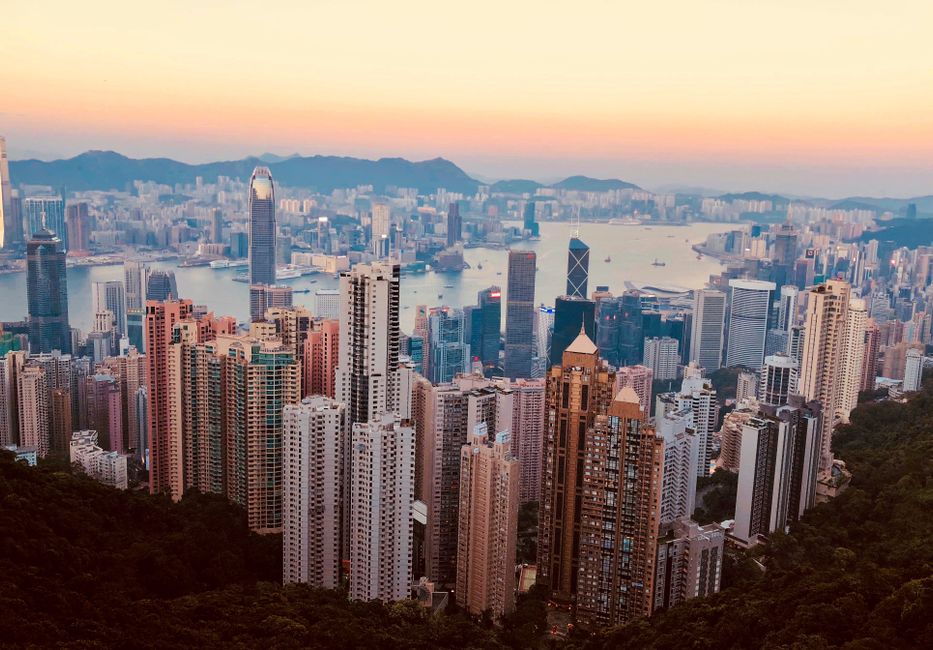
Start with mortgage rates. Following the US Federal Reserve's measured approach to interest rate cuts, Hong Kong banks have kept prime lending rates elevated. A typical residential mortgage in Central or Mid-Levels now hovers around 3.5-3.8 per cent, up substantially from pandemic lows. Property prices in prime districts like Repulse Bay and The Peak have cooled, but rental yields remain compressed—a sign that investor sentiment has shifted from speculative gains to income generation.
The FDI picture is equally telling. Hong Kong attracted US$11.3 billion in foreign direct investment in the first quarter of 2026, according to provisional data—a respectable figure that masks deeper sectoral changes. Technology and fintech investments from Singapore and Shanghai-based firms have surged, while traditional manufacturing investment continues its decades-long decline. The Hong Kong Monetary Authority's latest economic surveys show multinational corporations increasingly using Hong Kong as a regional treasury centre rather than a manufacturing base.
What does this mean for ordinary Hong Kong residents? Consumer prices have risen 2.7 per cent year-on-year, driven largely by imported goods and energy costs. A meal at a mid-range restaurant in Causeway Bay or Mong Kok will cost roughly 15-20 per cent more than it did three years ago. Meanwhile, local wages have grown more modestly at around 1.5-2 per cent annually, creating a squeeze on purchasing power that particularly affects lower-income households.
The Hong Kong Stock Exchange's performance offers another clue. The Hang Seng Index has recovered from 2024's lows, buoyed by mainland Chinese equities and tech stocks, but trading volumes suggest institutional rather than retail enthusiasm. This divergence—where larger investors see opportunity while smaller savers struggle with living costs—reflects structural inequality widening across the city.
For investors, Hong Kong remains strategically valuable despite these headwinds. The city's deep capital markets, regulatory stability, and geographic position between Western and Asian economies continue to attract capital. However, the direction of that capital is shifting. Green bonds and sustainable investment initiatives are gaining traction, while traditional property plays have lost their lustre.
The key takeaway: Hong Kong's economic trajectory hinges on whether productivity growth can outpace inflation and interest rate pressures. Until that equation balances, residents should expect a prolonged period of modest real wage growth and heightened investment selectivity.
This article was compiled by AI from the sources linked above and screened before publishing. See our editorial standards.