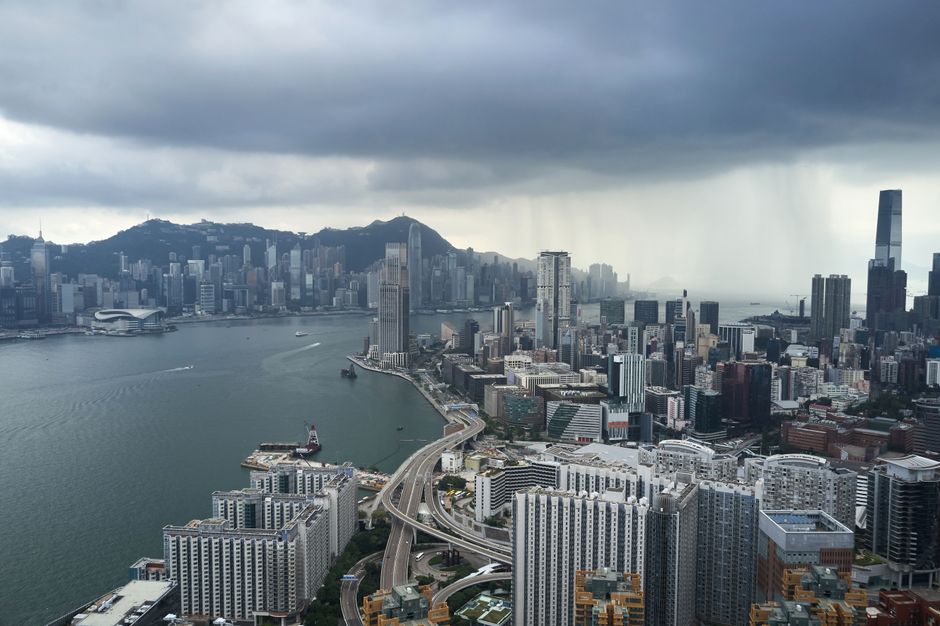
The glittering office towers of Central and the bustling warehouses of Kwai Chung tell a familiar story: Hong Kong has long thrived as Asia's gateway for global trade. But that narrative is shifting fast. As geopolitical tensions reshape international commerce and companies diversify their supply chains across multiple Asian hubs, recruiters across the territory are scrambling to fill roles that barely existed five years ago.
Recruitment consultants operating out of offices along Des Voeux Road and Queen's Road Central report a significant uptick in demand for professionals with expertise in nearshoring logistics, regulatory compliance across emerging markets, and supply-chain digitalisation. Salaries for these mid-to-senior positions have climbed 12-15 per cent year-on-year, outpacing broader wage growth in the financial sector, according to recent surveys by major headhunting firms in the city.
The shift reflects a larger truth: multinational corporations are no longer content relying on a single Asian gateway. What was once a straightforward Hong Kong-Shanghai-Singapore triangle is now sprawling across Vietnam, Thailand, and India. Companies previously headquartered in Quarry Bay's tech parks are expanding operations in Southeast Asia, requiring staff who understand customs regimes, trade agreements, and regional supply dynamics in ways traditional Hong Kong traders never needed to.
Local universities are responding. The University of Hong Kong and the Chinese University have both expanded postgraduate offerings in supply-chain management and international trade policy. Yet recruitment agencies report a persistent talent shortage—particularly for roles requiring fluency in Mandarin, English, and Vietnamese or Thai, combined with expertise in trade compliance and logistics technology.
The implications extend beyond salary tables. Young professionals in their late twenties and thirties, who might previously have spent entire careers in Hong Kong's established financial or import-export sectors, are now making lateral moves into emerging roles or accepting overseas assignments. Some firms are offering relocation packages to Bangkok or Ho Chi Minh City as signing incentives.
For Hong Kong itself, the picture is mixed. The city remains crucial as a financial and legal hub for regional trade operations—no multinational is abandoning its Victoria Harbour operations entirely. But the nature of work is changing. The commodity brokers and container logistics experts who once defined the waterfront job market are gradually being joined by data analysts, compliance officers, and supply-chain architects working across virtual teams spanning multiple countries.
This recalibration may help Hong Kong retain talent even as some operational roles migrate elsewhere. Those willing to embrace regional mobility and technical skill-building are finding better career trajectories than ever before.
This article was compiled by AI from the sources linked above and screened before publishing. See our editorial standards.