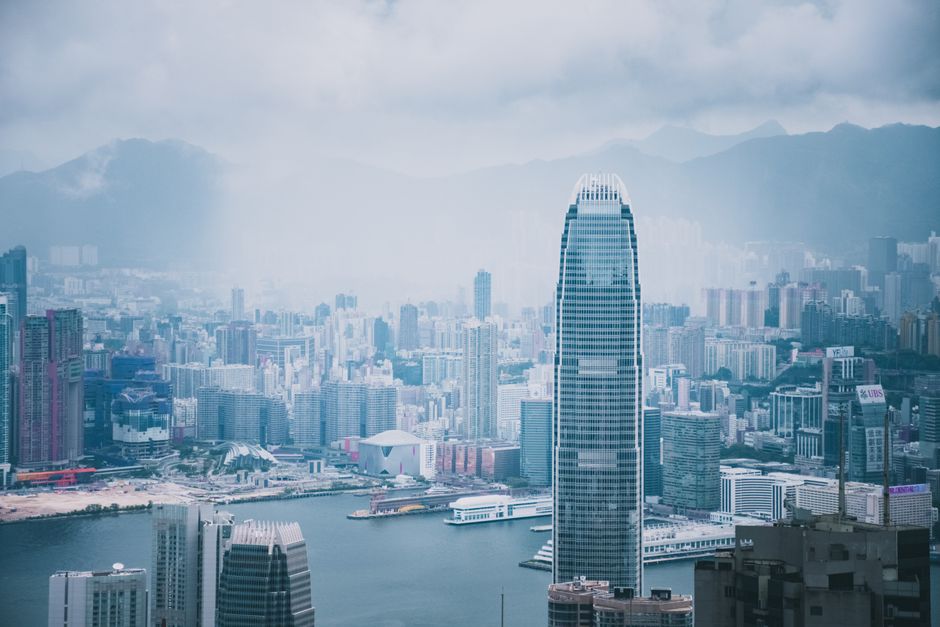
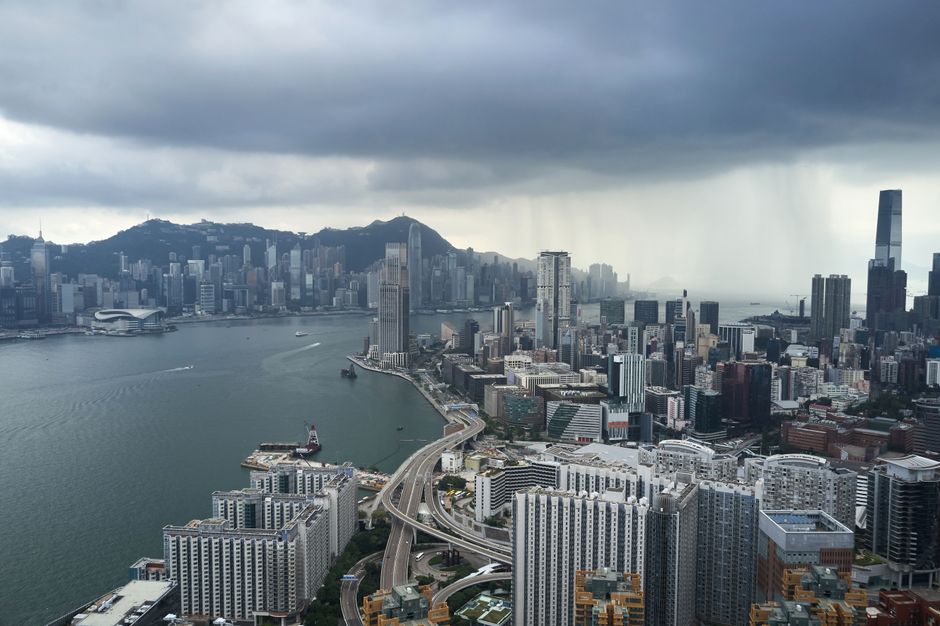
The scramble is unmistakable in the gleaming office towers along Des Voeux Road Central. Companies that spent the past decade optimising their supply chains for speed and efficiency are now paying premium fees to restructure them for resilience—and Hong Kong's trading and logistics sector is profiting handsomely.
The shift reflects a broader realignment in global commerce. With geopolitical uncertainties in the Middle East, ongoing tensions affecting shipping routes, and unpredictable trade policy making headlines, multinational corporations are actively moving away from single-source dependencies. For Hong Kong's middle-market traders and freight forwarders, the moment presents a rare competitive advantage.
Companies like Hactl, operating from their headquarters near Hong Kong International Airport, report that client requests for alternative routing options have surged 34% year-on-year, according to industry sources. Similarly, mid-sized trading houses clustered in Central's Commercial District and along Queens Road East are fielding unprecedented inquiries from manufacturers seeking secondary suppliers in Southeast Asia and South Asia—regions increasingly preferred as alternatives to traditional concentration points.
The economics favour Hong Kong operators. They possess relationships across port facilities in Vietnam, Thailand, and Bangladesh that larger international operators only activate sporadically. A typical supply chain reconfiguration project, which might have commanded HK$2-3 million in fees five years ago, now routinely reaches HK$6-8 million as companies invest in redundancy and alternative logistics hubs.
"We're seeing family offices and smaller conglomerates make their move," explains one partner at a Sheung Wan-based trading firm, speaking on condition of anonymity. "They have the capital and the hunger to establish themselves as regional distribution hubs. Hong Kong consultants and logistics firms are their natural partners in making that happen."
Not everyone is winning equally. Large multinational logistics providers operating from Kowloon Bay's established centres have the scale to handle enterprise clients, but they lack the regional supplier networks and political capital that smaller, locally-rooted firms leverage. The gap has created space for mid-market players—those with 50 to 200 employees, existing relationships across Southeast Asia, and the agility to customise solutions.
Warehouse rents in New Territories locations like Yuen Long have climbed 18% in the past eighteen months, driven partly by companies establishing regional buffer stock facilities. The shift suggests that beyond consulting fees, structural demand for physical logistics capacity is solidifying.
Whether this moment of disruption catalyses permanent repositioning or represents a temporary spike remains uncertain. What is clear: Hong Kong's traders are moving fast to capture it.
This article was compiled by AI from the sources linked above and screened before publishing. See our editorial standards.