Walk down Mody Road in Tsim Sha Tsui these days and you'll notice the telltale signs: shuttered storefronts with faded "For Lease" notices, independent retailers clinging to survival, and a palpable sense of exhaustion among shop owners who have weathered three years of mounting pressure.
For Hong Kong's small business sector, 2026 has crystallised into a year of reckoning. The challenges facing entrepreneurs—from escalating commercial rents to shifting consumer habits—have reached a critical juncture that threatens the survival of countless independent operations across the territory.
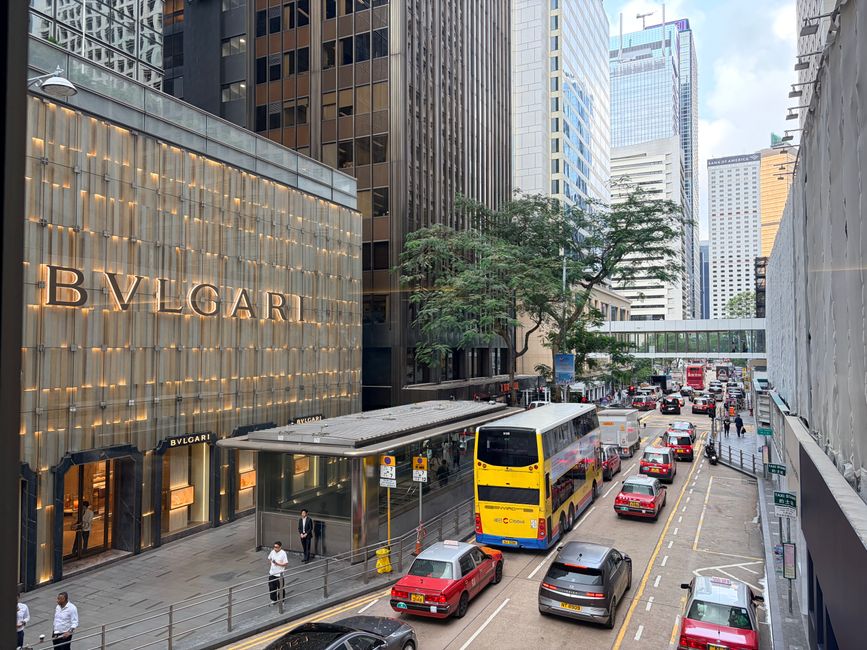
Commercial property costs remain the most pressing headwind. While luxury retail landlords along Central's Des Voeux Road have maintained premium rates, mid-tier retailers in secondary areas face brutal economics. A modest 400-square-foot shop in Causeway Bay now commands monthly rents between HK$80,000 and HK$120,000, according to recent market assessments. For a small operator with thin margins, these figures are often prohibitive. Many proprietors report rent consuming 30-40% of monthly revenue, a threshold that leaves minimal room for contingencies.
Inflation has compounded the squeeze. Labour costs have risen steadily, with skilled retail staff commanding salaries 15-20% higher than pre-pandemic levels. Supply chain disruptions continue to inflate wholesale prices for imported goods. Meanwhile, utility bills and insurance premiums have climbed steadily across the territory.
Yet perhaps the most insidious challenge is behavioural. Foot traffic in traditional shopping districts has fractured. E-commerce competition, particularly from mainland Chinese platforms offering lower prices, has fundamentally altered consumer patterns. Local business associations report that weekend foot traffic in neighbourhoods like Mong Kok and Sham Shui Po has declined noticeably compared to previous years.
Entrepreneurs who have adapted are typically those who have embraced omnichannel strategies—establishing online presence, leveraging social media, and creating experiential retail spaces that justify physical locations. However, these transitions demand capital investment and technical expertise that many traditional small business owners lack.
The Hong Kong General Chamber of Small and Medium Enterprises has increasingly fielded complaints from members about sustainability concerns. Several long-established family businesses in districts like Sheung Wan have quietly closed or relocated to lower-cost areas on the outskirts of the city.
Government support schemes exist—rent concessions and microfinance programmes—but uptake remains uneven, and the assistance often feels insufficient relative to the scale of challenges facing operators. For Hong Kong's small business community, the next twelve months will likely determine which enterprises survive to celebrate anniversaries, and which become vacant spaces on familiar streets.
This article was compiled by AI from the sources linked above and screened before publishing. See our editorial standards.