Hong Kong's retail hospitality sector is experiencing a sharp inflection point. International visitor arrivals topped 6.8 million in the first half of 2026, up 34% year-on-year, and the windfall is reshaping the competitive landscape across food and beverage venues.
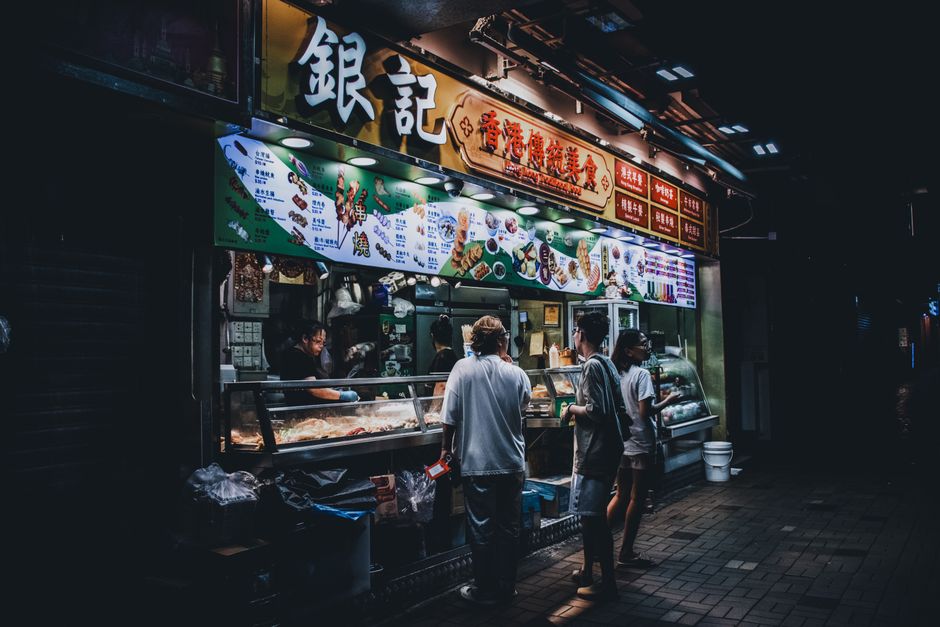
The beneficiaries are proving selective. Traditional dim sum parlours in Central's narrow lanes report modest 8-12% revenue growth, while newer experiential dining concepts—particularly those blending local heritage with premium positioning—are capturing 25-40% margin expansion. This divergence reflects a fundamental shift in visitor spending patterns. Post-2024, international tourists increasingly seek curated, Instagram-worthy experiences over commodity dining.
The West Kowloon Cultural District has emerged as an unexpected epicentre. Venues within the M+ museum precinct and Xiqu Centre report footfall growth of 68% year-on-year, with average spend per head climbing to HK$380-420 for lunch and HK$680-750 for dinner. Several established Michelin-listed restaurants have opened secondary casual concepts here—a strategic hedging bet that is paying dividends. These satellite venues capture both high-spending diners and price-sensitive younger tourists, maximising catchment breadth.
Street-level operators in Causeway Bay, traditionally dependent on local foot traffic, face tougher conditions. Rents averaging HK$1,800-2,400 per square foot remain punishing, though some landlords are showing flexibility for F&B tenants willing to commit to high-traffic, experiential concepts. Pop-up formats and limited-run residencies have proliferated, reducing capital risk.
Hidden gem positioning is now a deliberate strategy. Operators along Pottinger Street and the Cat Street precinct—historically bohemian alleyways—are attracting international visitors through social media and boutique travel guides. A handful of carefully curated cocktail bars and tapas venues here command 35-40% higher prices than comparable establishments on busier thoroughfares, banking on exclusivity and perceived authenticity.
Data from the Hong Kong Tourism Board indicates spending per overnight visitor rose 18% to approximately HK$5,200 in Q2 2026, with food and beverage accounting for 28% of that expenditure. This suggests sustained opportunity for another 12-18 months, contingent on sustained geopolitical stability and continued mainland Chinese visitation recovery.
For operators, the window to capture this demand spike is narrowing. Property developers and hospitality groups are aggressively acquiring prime F&B sites across Central, Sheung Wan and Mong Kok. Shrewd independent operators are already pivoting—securing long-term leases now, while negotiating downside protection clauses for when visitor volumes inevitably normalise.
This article was compiled by AI from the sources linked above and screened before publishing. See our editorial standards.