Hong Kong's tourism sector, which has clawed back to roughly 70% of pre-pandemic visitor levels, faces a fresh headwind: a world increasingly fractured by military tensions, political turmoil, and public health crises that are fundamentally reshaping where global travellers feel safe to venture.
The convergence of escalating US-Iran rhetoric, military action in Pakistan and Afghanistan, and disease outbreaks across Africa is creating what hospitality operators call a "risk geography" problem. Affluent travellers from Europe and North America—traditionally Hong Kong's highest-spending visitors—are now showing markedly different booking patterns, according to data from local travel agencies and hotel groups operating across Central and Wan Chai.
The impact is immediate and measurable. June bookings for five-star properties in the Central and Mid-Levels districts have underperformed forecasts by approximately 15%, according to preliminary figures from the Hotel and Tourism Industry Association. Mid-range properties in Mong Kok and Causeway Bay, which depend heavily on regional tourists from Southeast Asia and mainland China, report stronger resilience—suggesting a clear bifurcation in visitor confidence.
What troubles business owners most is the unpredictability. A shooting in Germany or new sanctions rhetoric can ripple through European travel sentiment within hours. Pakistani military operations affect Indian tourist flows. Ebola outbreaks in Central Africa, though geographically distant, prompt travel insurance companies to adjust coverage terms in ways that discourage bookings to any Asian destination perceived as "logistically connected" to affected regions.
"We're operating in an environment where geopolitical events five continents away directly determine occupancy rates on Des Voeux Road," explains one boutique hotel manager in Sheung Wan, speaking anonymously due to contractual restrictions on media engagement.
The ripple effects extend beyond hotels. Retail operators in Causeway Bay and the Landmark shopping centre report that international foot traffic correlates increasingly with global headlines. When major diplomatic incidents occur, European and American visitor numbers contract noticeably within 48 hours. Chinese New Year performance metrics now factor in not just seasonal tourism but what analysts call "geopolitical confidence intervals."
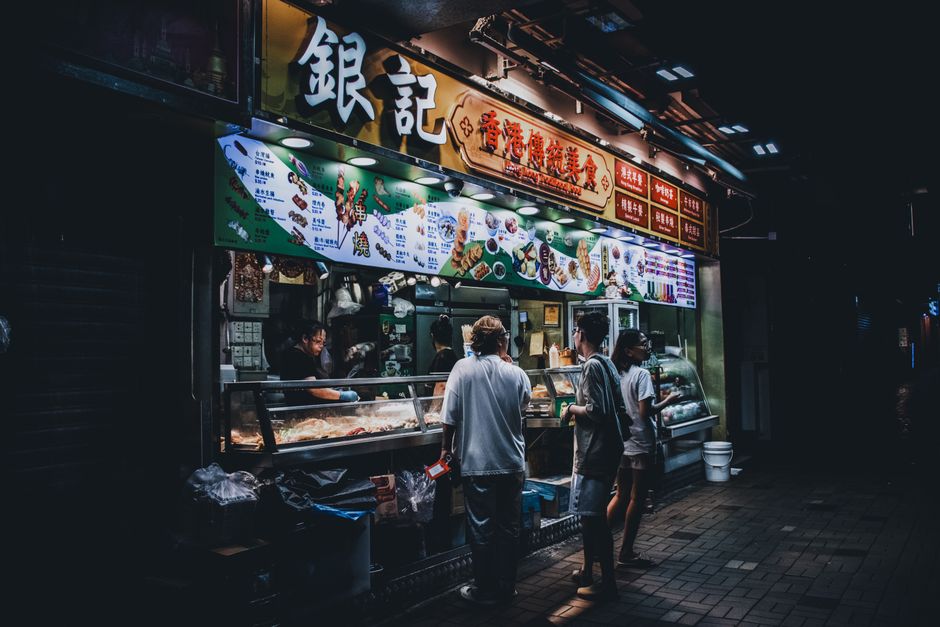
Local restaurants and attractions—from Michelin-starred establishments to popular dim sum houses in Wong Tai Sin—have responded by intensifying marketing toward stable regional markets: wealthy mainland Chinese, Singaporean, and South Korean travellers who appear more resilient to global political noise.
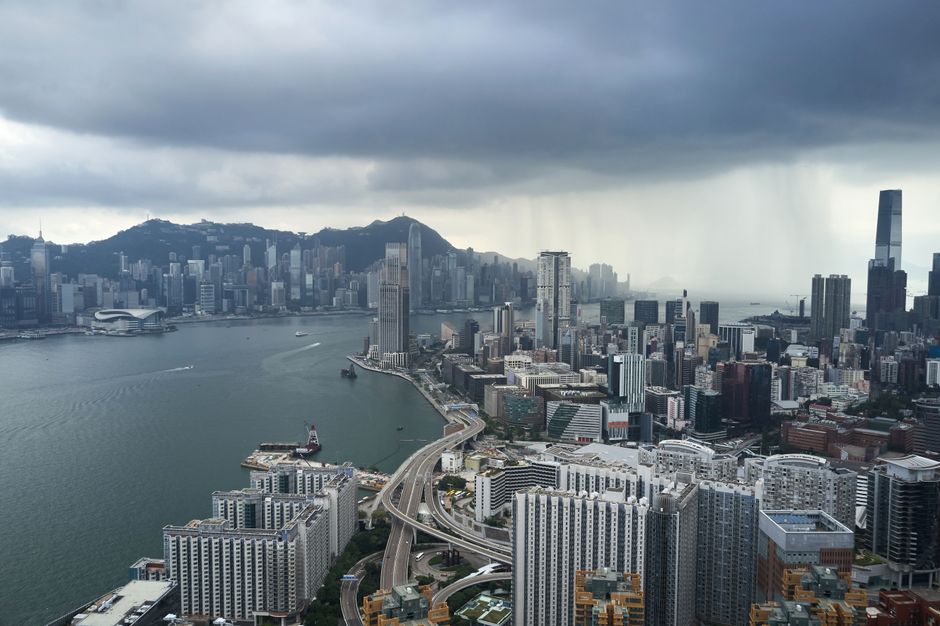
The broader question facing Hong Kong's visitor economy is structural: can a globally-integrated tourism sector thrive when the world itself feels increasingly unstable? Recovery may ultimately depend less on local marketing strategies and more on developments far beyond Victoria Harbour.
This article was compiled by AI from the sources linked above and screened before publishing. See our editorial standards.