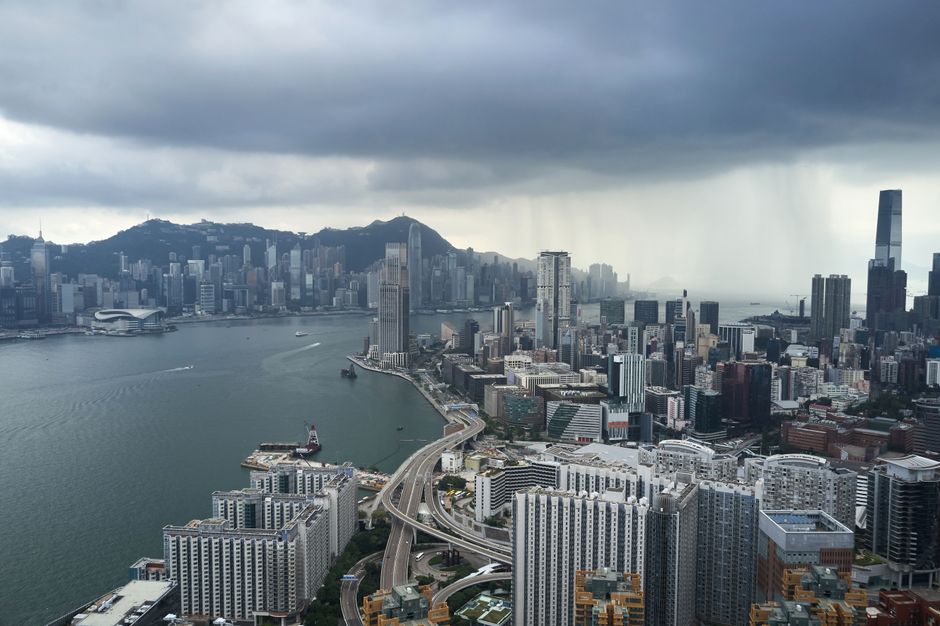
The transformation is unmistakable on the ground. Where gleaming office towers once dominated Central's skyline as the default address for multinational finance and tech firms, landlords are now offering unprecedented incentives—sometimes cutting rents by 20 to 30 percent—to fill vacancies. Meanwhile, emerging business hubs in Kowloon East and along the MTR corridors are absorbing tenants at a pace not seen in a decade.
Commercial property brokers report that Grade A office space in Central now averages around HK$45 to HK$55 per square foot annually, compared to roughly HK$30 to HK$40 in Kowloon East precincts like Tseung Kwan O and San Po Kong. For companies operating on tight margins, the mathematics are compelling. A mid-sized financial services firm relocating from a 50,000-square-foot Central office to similar space in the New Territories or Kowloon East could save HK$25 to HK$40 million annually—money increasingly redirected toward salaries and remote work infrastructure.
The ripple effects on the labour market are profound. Commute times have become a major consideration in job acceptance decisions. Workers who previously accepted lower salaries in exchange for a prestigious Central address are now reassessing. Recruitment consultants report growing hesitation among mid-career professionals when offered roles in outer areas like Tseung Kwan O or even newer office parks in Sha Tin, despite competitive compensation packages.
Technology and professional services firms are leading the exodus. Several major consulting groups have consolidated back-office operations to satellite locations, while keeping client-facing teams in prime districts. This has created a two-tier talent market: premium salaries for roles requiring Central or Admiralty presence, and negotiated packages—sometimes including enhanced work-from-home arrangements—for those willing to move further out.
The shift is also reshaping where young professionals choose to live. Property agents note increased residential rental inquiries in areas like Quarry Bay and Taikoo Shing, which offer proximity to Kowloon East employment centres. Conversely, some traditional residential strongholds closer to Central are seeing softer rental demand as the commute calculus changes.
For Hong Kong's broader competitiveness, the trend cuts both ways. Lower office costs could make the city more attractive to startups and regional hubs seeking cheaper operations. Yet the fragmentation of the office landscape risks diluting the agglomeration benefits—the spontaneous networking and knowledge-sharing—that made Central iconic. How companies and workers adapt to this dispersal will largely determine whether Hong Kong's talent market becomes more resilient or more fractured.
This article was compiled by AI from the sources linked above and screened before publishing. See our editorial standards.