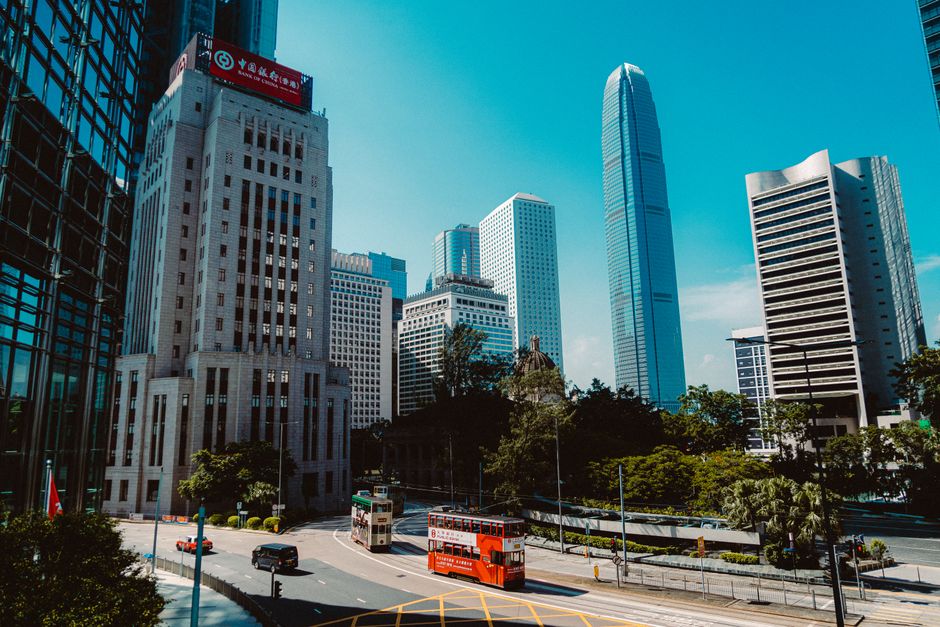
Hong Kong's commercial property sector is bracing for a bruising 2026, with office vacancy rates climbing and rental yields compressing across prime business districts as structural headwinds collide with cyclical pressures.
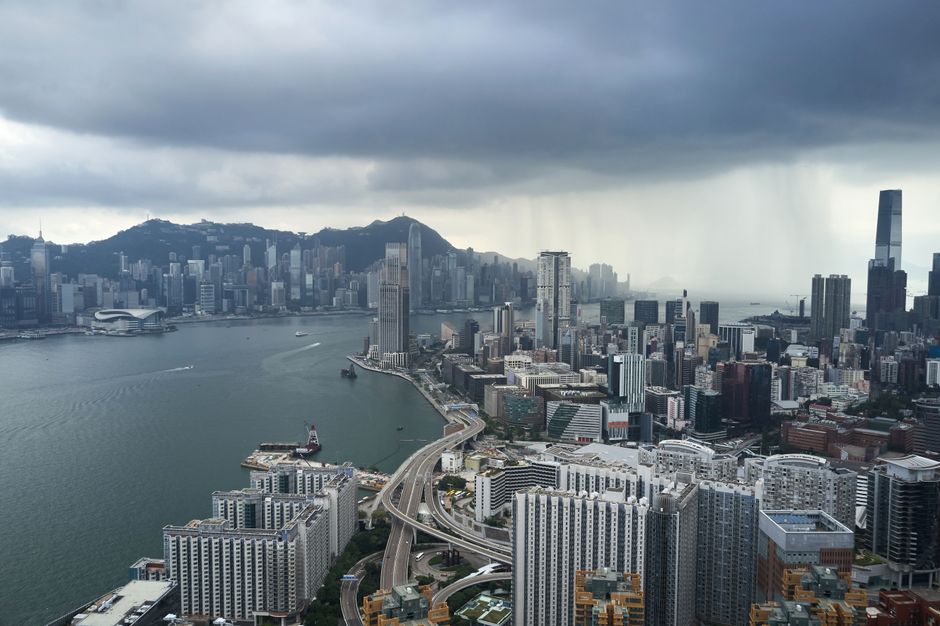
The numbers tell a sobering story. Vacancy in Central has edged above 8 per cent—the highest in five years—while Grade A office rents along Des Voeux Road have softened to around HK$65-70 per square foot monthly, down from HK$75 just eighteen months ago. Across the harbour in Kowloon, similar weakness in areas like Tsim Sha Tsui and Mong Kok reflects a broader malaise gripping the sector.
The culprits are manifold. Persistent hybrid work arrangements, normalised across major financial services firms and tech companies, have permanently reduced space requirements. Major banks and multinational corporations continue right-sizing their footprints, consolidating operations and embracing hot-desking models. This structural shift shows no sign of reversing, fundamentally altering demand patterns that sustained premium rents for two decades.
Supply-side pressures compound the challenge. New Grade A completions in Central and Victoria Dockside total roughly 2 million square feet annually, outpacing net absorption. Meanwhile, ageing buildings around Lan Kwai Fong and Sheung Wan lack the technological infrastructure—fibre-optic networks, energy-efficient systems, flexible layouts—that attract institutional tenants demanding modern workspaces.
The investment market reflects this anxiety. Capital values for trophy assets have compressed; a prime 50,000-square-foot parcel on Edinburgh Place now trades at yields approaching 4 per cent gross, substantially elevated from the sub-3 per cent era of the early 2020s. Institutional investors, once aggressive Hong Kong office buyers, are increasingly selective, favoring assets anchored by blue-chip tenants on long leases.
Conversion schemes offer a glimmer of hope. The government's push to transform older office stock into residential units under the revitalisation scheme has energised some landlords, particularly along Des Voeux Road Central and in Mong Kok. Yet regulatory hurdles and redevelopment costs remain steep, limiting viable candidates.
Some landlords are adapting. Landlords at Exchange House in Quarry Bay and One Island East have invested heavily in amenities—cafes, gyms, collaborative spaces—to differentiate from competitors and command modest rental premiums. Yet these initiatives merely slow decline rather than reverse it.
For investors and occupiers alike, 2026 represents a recalibration moment. The halcyon days of effortless office appreciation and pricing power have definitively passed. The sector must confront a prolonged period of adjustment.
This article was compiled by AI and screened before publishing. See our editorial standards.