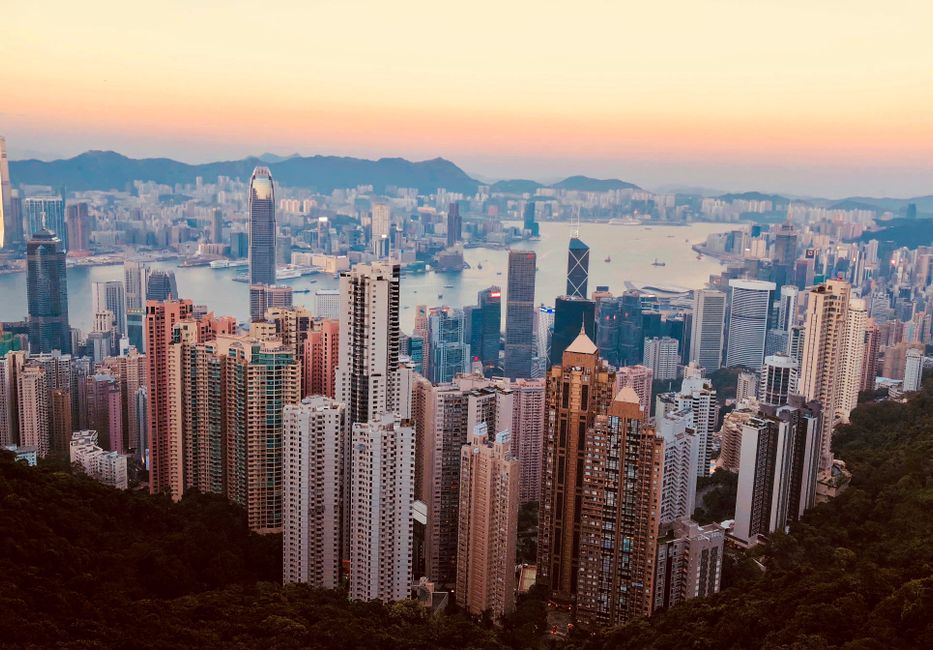
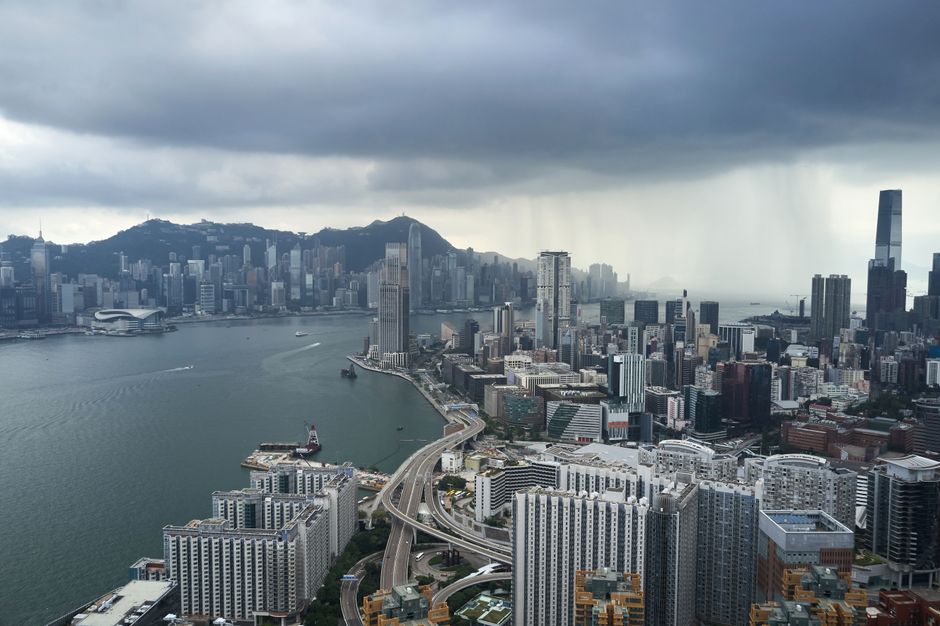
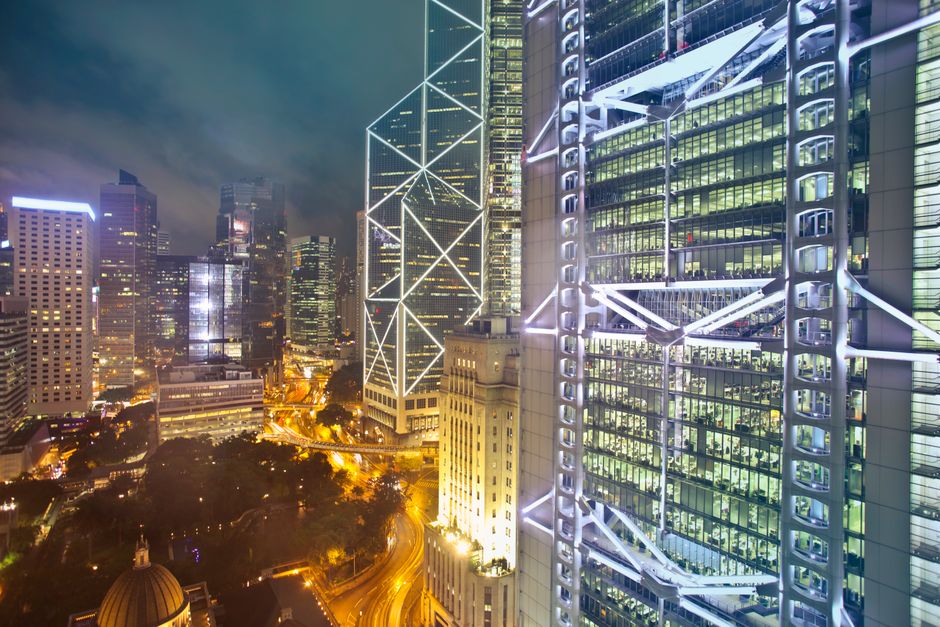
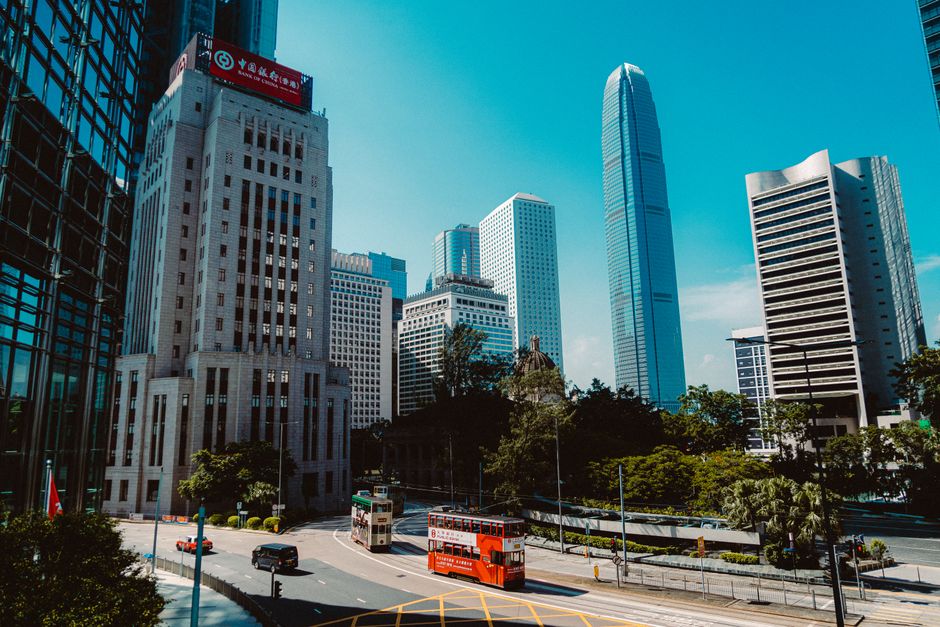
Walk through Central's gleaming office towers or browse the boutiques along Des Voeux Road, and you might assume Hong Kong's financial engine runs smoothly. But beneath that polished surface, investment flows are telling a more complicated story—one that directly affects what you pay for everything from your Mid-Levels apartment to your morning coffee in Causeway Bay.
Investment flows—the movement of money into and out of Hong Kong's markets, real estate and businesses—serve as an early warning system for economic health. When foreign investors pull capital out, local asset prices often soften. When they flood in, costs rise. In the first quarter of 2026, Hong Kong saw net outflows of US$2.3 billion in foreign direct investment, the weakest quarter in eighteen months. That matters because it signals diminishing confidence in our economic prospects.
Consider the property market, where investment flows are most visible. Average residential prices in Wan Chai have declined roughly 6% since late 2025, while prime commercial rents in the Central Business District have compressed by 8%. These aren't random movements—they reflect investors reallocating capital elsewhere, typically toward stronger growth markets in Southeast Asia. When overseas money leaves real estate, new construction slows, vacancy rises, and landlords compete harder for tenants, eventually lowering rents for ordinary families.
But the picture is uneven. Hong Kong still attracts substantial investment in fintech and biotechnology clusters around Cyberport and the Hong Kong Science Park in Sha Tin. Venture capital flowing into these sectors has actually increased 12% year-on-year, creating jobs and wages that offset weakness elsewhere. Workers in these fields often command higher salaries, reshaping which neighborhoods remain affordable.
The Hang Seng Index's performance offers another clue. Down 14% in the past eighteen months, it reflects slowing investor appetite for Hong Kong equities. This matters to your retirement savings and pension funds, which hold significant index exposure. Pension growth directly influences consumer spending power, which in turn affects service sector pricing—everything from restaurant meals to haircuts in Mong Kok.
Currency movements add complexity. The Hong Kong dollar's peg to the US dollar means our asset prices follow American interest rates. Recent Federal Reserve tightening has made borrowing more expensive here, cooling both consumer spending and investment appetites. A property buyer in Tseung Kwan O faces higher mortgage costs; a small business owner in Sham Shui Po sees tighter credit conditions.
Understanding these flows—foreign direct investment, equity capital, real estate money, currency shifts—isn't academic. It explains why your rent negotiation succeeds or fails, why your employer freezes hiring, why your supermarket prices stick stubbornly high. Hong Kong's economy doesn't move randomly. Follow the investment flows, and you'll understand your own financial future far better.
This article was compiled by AI from the sources linked above and screened before publishing. See our editorial standards.