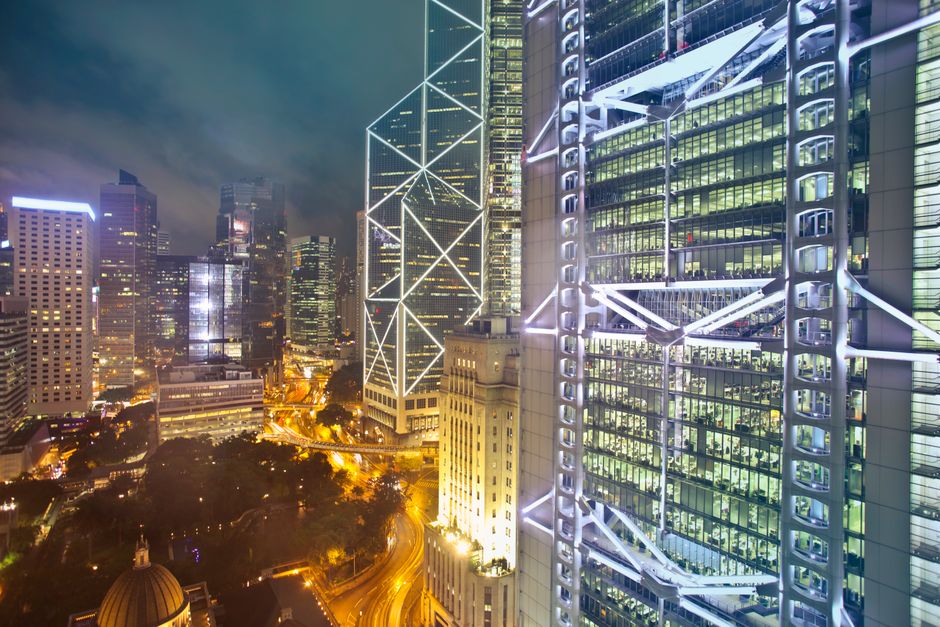
Hong Kong's visitor economy is sending unmistakable signals of recovery, with recent data pointing to strengthening consumer confidence and renewed international appetite for Asia's premier business hub. The numbers tell a story that extends far beyond hotel lobbies and souvenir shops—they offer critical insights into capital flows, employment trends, and Hong Kong's competitive positioning in a volatile global market.
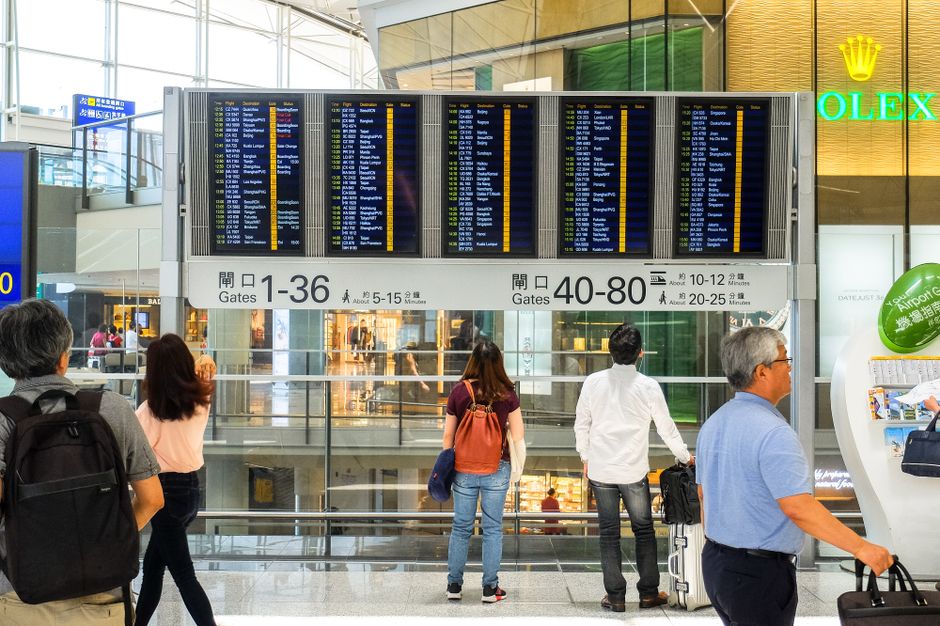
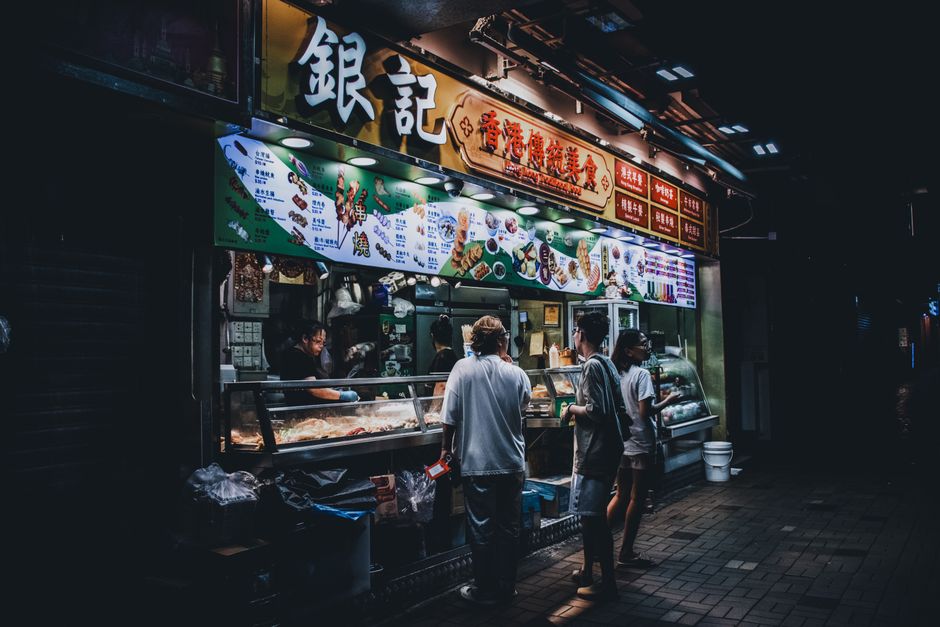
Airport arrival figures through May 2026 show monthly visitors approaching 3.5 million, representing a 28 per cent year-on-year increase. More tellingly, overnight visitor spending has climbed to an average of HK$6,800 per capita, with leisure travellers staying longer in districts like Causeway Bay and Mong Kok. This metric matters because extended stays directly boost retail, hospitality, and transport sectors—the scaffolding supporting Hong Kong's broader economy.
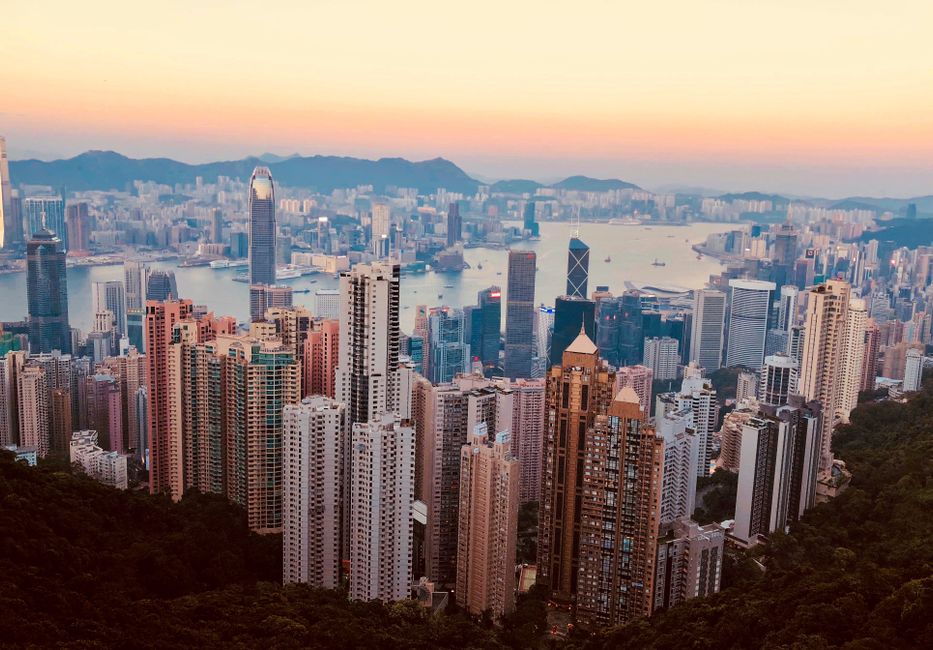
The hotel sector offers particularly useful economic indicators. Premium properties clustered around Central—the Mandarin Oriental, the Four Seasons, boutique properties along Wellington Street—report average occupancy rates of 82 per cent, compared to 71 per cent in early 2024. Room rates in these establishments have risen 15 per cent since January. Why track hotel occupancy? Because it correlates with corporate spending, conference activity, and international business confidence. When multinationals book rooms in Central for their regional teams, they're simultaneously making other decisions: whether to maintain or expand operations here, where to base their Asia headquarters.
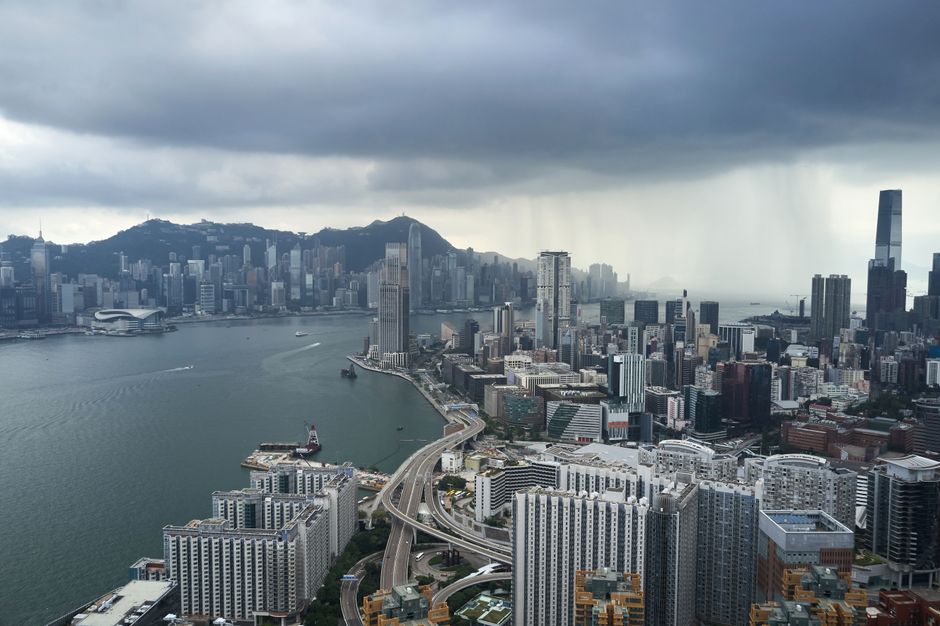
Investment flows are responding accordingly. Commercial property consultancies report renewed interest from Southeast Asian and Middle Eastern investors eyeing office space in Central and along the Victoria Harbour waterfront. The Hong Kong Tourism Board recorded 47 major tourism and hospitality projects in development pipelines as of Q2 2026, representing HK$89 billion in capital commitments.
But visitor economy data cuts deeper than surface metrics. Rising visitor numbers correlate with increased airline capacity, which signals carrier confidence in sustained demand. More flights mean lower ticket prices, which generates additional visitors—a virtuous cycle. Employment in tourism-related sectors has expanded by roughly 12,000 jobs year-to-date, according to Census and Statistics Department preliminary figures.
The visitor economy also functions as a bellwether for Hong Kong's soft power and regulatory environment. Traveller sentiment, visa processing times, and airport efficiency shape global perceptions. When visitors from major source markets—Mainland China, Japan, South Korea, Australia—return at growing rates, it suggests confidence that Hong Kong remains open, stable, and competitively positioned against regional rivals like Singapore and Bangkok.
For business observers, these tourism indicators deserve serious attention. They're not vanity metrics. They're measuring Hong Kong's capacity to attract capital, talent, and sustained economic activity in an intensely competitive region.
This article was compiled by AI from the sources linked above and screened before publishing. See our editorial standards.