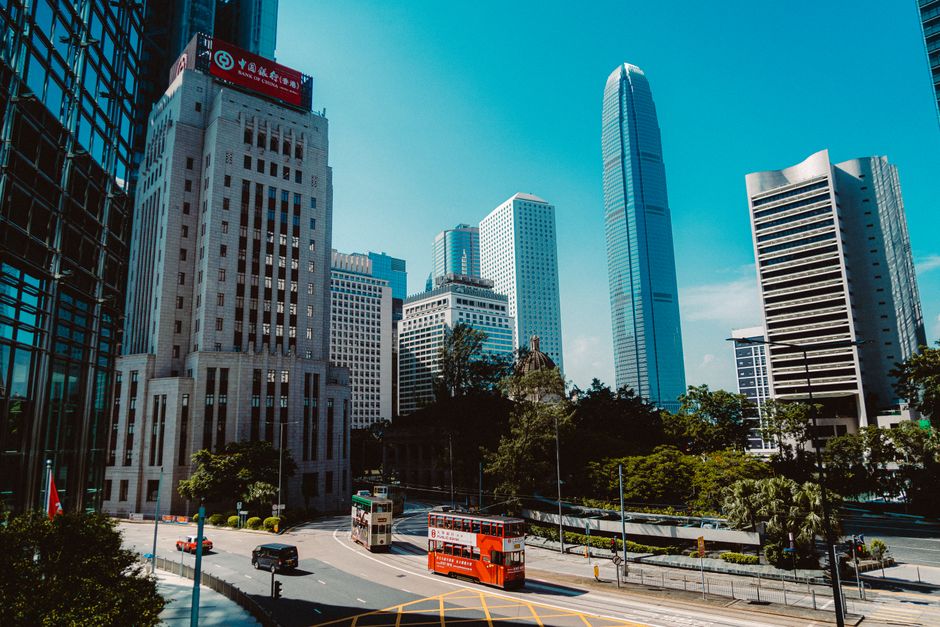
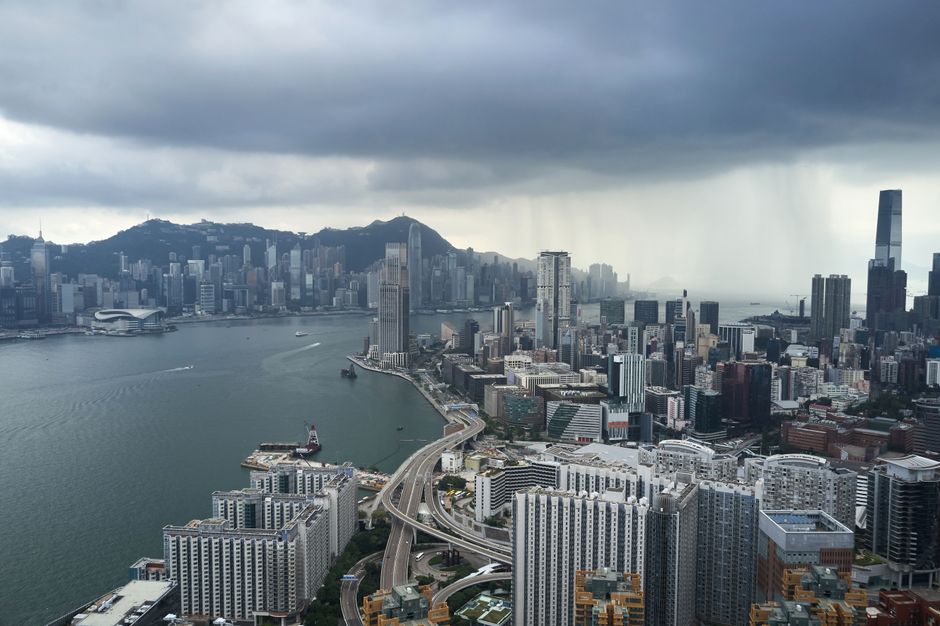
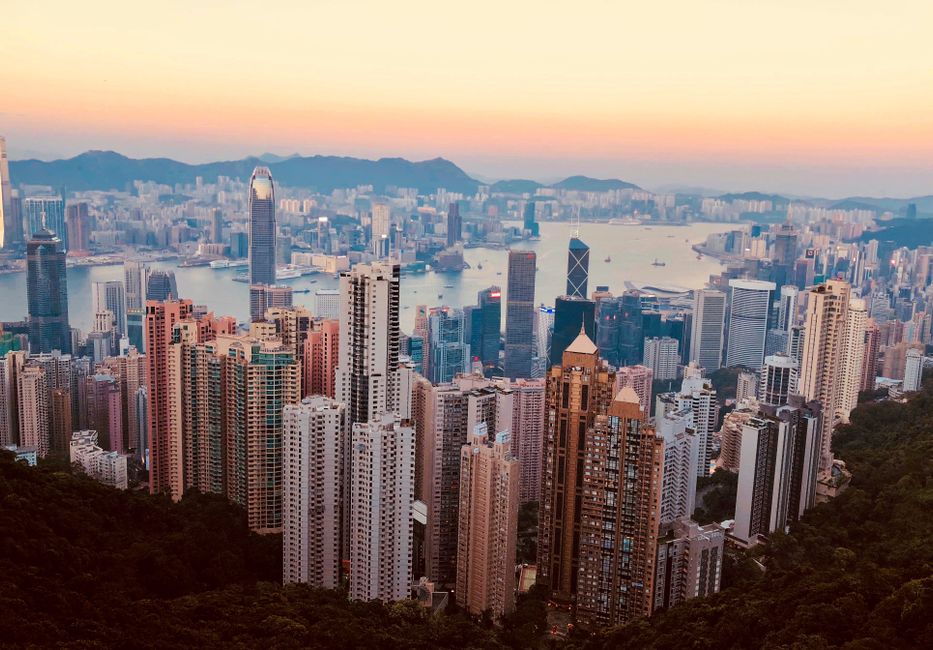
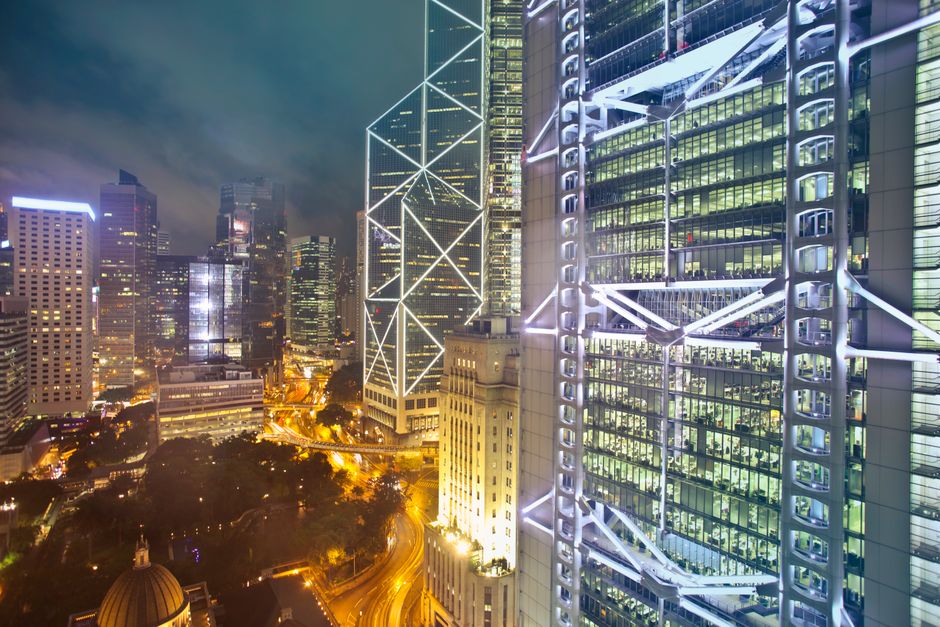
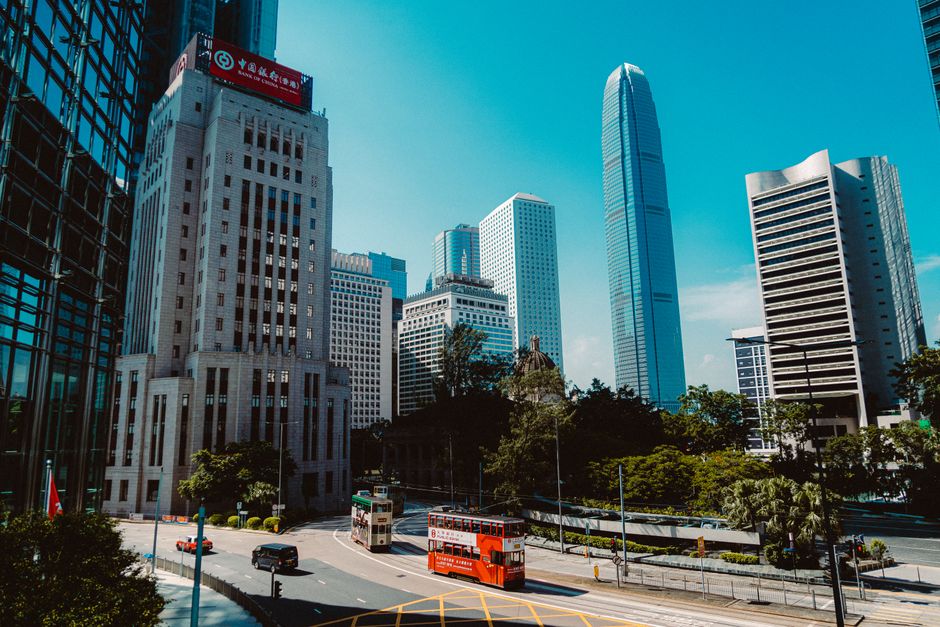
Walk down Wyndham Street in Central on any given evening, and you'll spot the discrete entrance to The Lantern House, a 28-room boutique hotel that has quietly become one of Hong Kong's most sought-after addresses. Behind its success is Adrian Ng, a third-generation Hongkonger who pivoted from corporate finance into hospitality five years ago—a decision that now looks prescient as the city's visitor economy roars back to life.
The numbers tell the story. Hong Kong welcomed 5.4 million overnight visitors in the first quarter of 2026, according to the Tourism Board, representing a 23 percent year-on-year increase. Yet despite this boom, average hotel occupancy rates have plateaued at around 78 percent, revealing a crucial market gap: affluent travellers increasingly reject cookie-cutter chains in favour of authentic, neighbourhood-rooted experiences.
Ng identified this gap early. Rather than compete with Mandarin Oriental or The Peninsula on their turf, he invested HK$85 million to transform a heritage building that once housed trading offices into a design-led sanctuary. Each room features locally sourced furnishings from SoHo artisans, original artwork by Hong Kong painters, and bay windows framing views of the Mid-Levels escalators. Room rates hover around HK$2,800 per night—premium, but positioned as accessible luxury.
"I wanted guests to stay in Hong Kong's DNA, not just above it," Ng explains the philosophy driving his operation. The hotel's ground floor houses a Michelin-recommended restaurant helmed by chef Vivienne Chan, who sources 70 percent of ingredients from local suppliers. A partnership with the Hong Kong Tourism Board enables complimentary walking tours of nearby Cat Street and the Graham Street wet market.
The strategy is working. The Lantern House maintains an 91 percent occupancy rate, with average bookings extending to 3.2 nights—significantly above the city average of 2.1 nights. Most tellingly, 64 percent of guests are repeat visitors, an unusually high figure in Hong Kong's transient tourism landscape.
Ng's success hasn't gone unnoticed. He's currently developing a second property in Sham Shui Po, targeting the emerging creative economy demographic. Industry observers suggest his model—intimate scale, local embeddedness, experiential focus—represents the future of Hong Kong hospitality as the city repositions itself post-pandemic.
With visitor projections hitting 14 million for 2026, the question isn't whether Hong Kong's tourism sector will thrive, but whether entrepreneurs like Ng can scale their vision without losing the authenticity that makes it magnetic in the first place.
This article was compiled by AI from the sources linked above and screened before publishing. See our editorial standards.