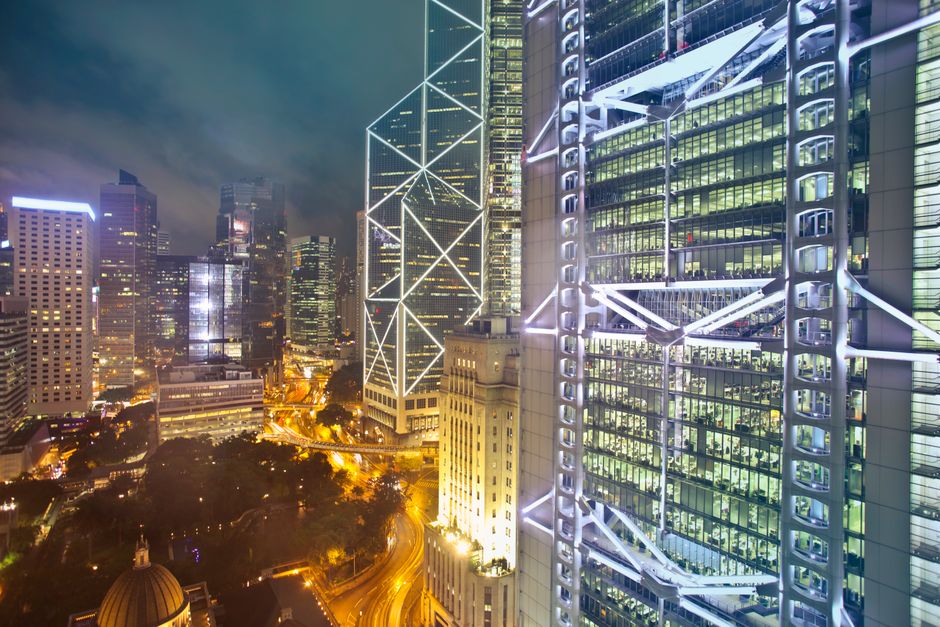
Walk through the trading floors of Central's financial district these days, and you'll notice a different energy. While superficially calm, the undercurrent of uncertainty is palpable as Hong Kong's business community grapples with a series of international flashpoints that threaten the smooth flow of global commerce.
The proposed resumption of US-Iran negotiations, coupled with rising tensions across multiple regions—from the Middle East to South Asia—has created a precarious environment for Hong Kong's traditionally outward-looking traders and manufacturers. For companies operating from offices along Des Voeux Road and in Sheung Wan's warehouse district, the stakes are immediate and tangible.
"The Middle East accounts for roughly 12 per cent of Hong Kong's total export value," explains analysts tracking regional trade data. Meanwhile, freight forwarding firms based in Kwun Tong are reporting increased demand for alternative shipping routes, with some surcharges reaching 15-20 per cent as vessels avoid traditional Strait passages. For import-export houses whose margins typically hover around 3-5 per cent, such costs are severely punitive.
The situation reflects a broader anxiety. When the US shifts diplomatic posture or regional conflicts escalate, Hong Kong's interconnected business ecosystem feels the tremor immediately. Supply chain diversification—once a buzzword—has become an operational imperative. Companies are quietly reassessing warehousing in Southeast Asia and exploring partnerships in Vietnam and Thailand, moves that would have seemed premature two years ago.
Currency volatility adds another layer of complexity. Traders in the forex pits near Exchange Square are managing widening spreads on emerging market currencies as risk appetite diminishes. A logistics manager at a mid-sized firm noted that forward contracting—locking in exchange rates months ahead—now consumes significantly more of operational budgets.
Some sectors face headwinds more acutely than others. Electronics manufacturers with supply chains dependent on Middle Eastern components or Asian transit hubs are reconsidering sourcing. Textile exporters, traditionally reliant on predictable shipping calendars, are incorporating contingency buffers that would have seemed excessive just months ago.
Yet Hong Kong's business community has weathered crises before. The resilience that built this city's reputation as a global trading hub—its ability to adapt, arbitrage, and recalibrate—remains intact. What's different now is the acceleration of change. The old playbook of gradual adjustment doesn't work when geopolitical shifts move faster than quarterly earnings calls.
For Hong Kong's traders, the message is clear: global uncertainty is no longer theoretical. It's a cost of doing business, factored into every contract negotiated in these crowded office towers.
This article was compiled by AI from the sources linked above and screened before publishing. See our editorial standards.