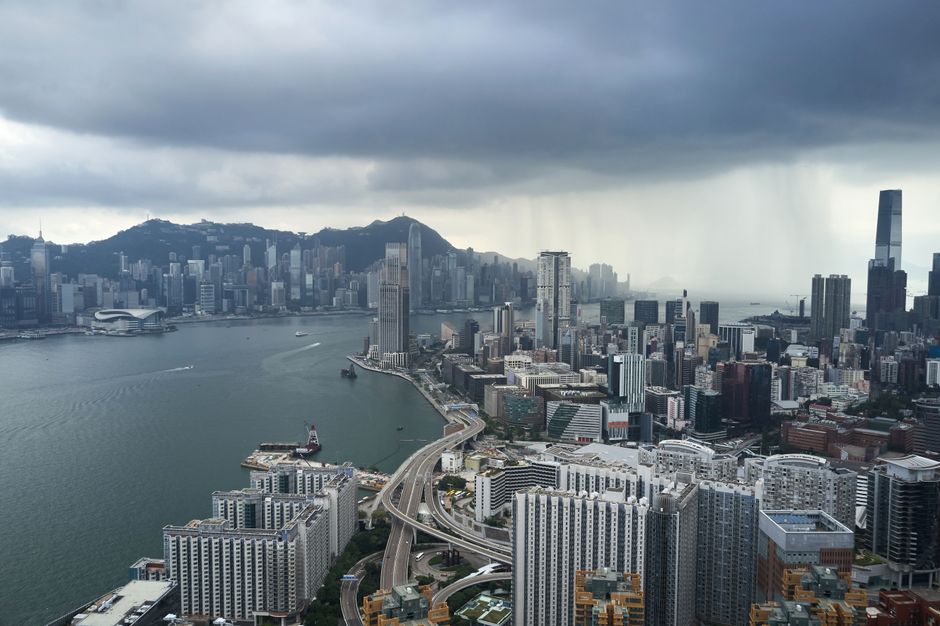
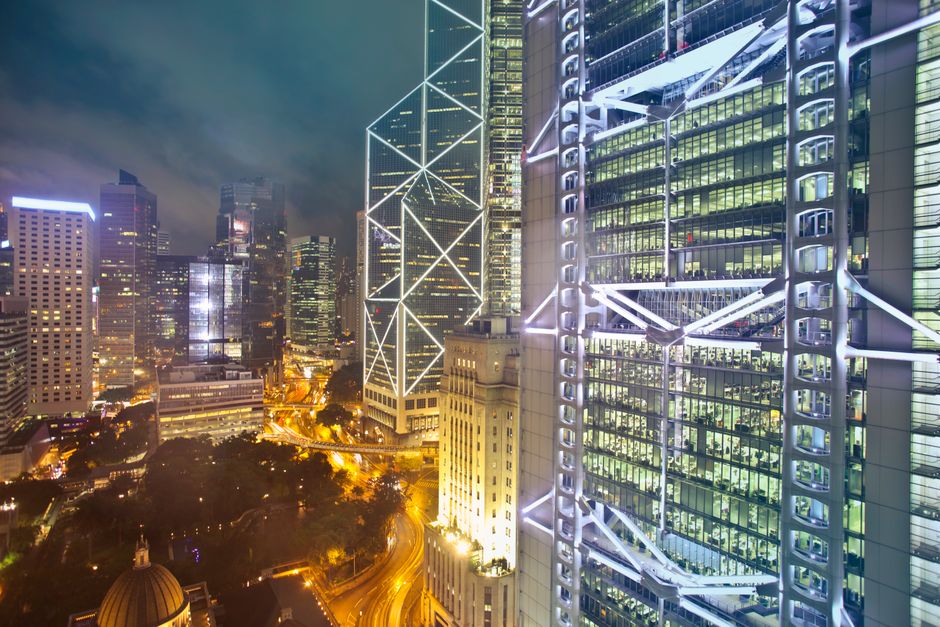
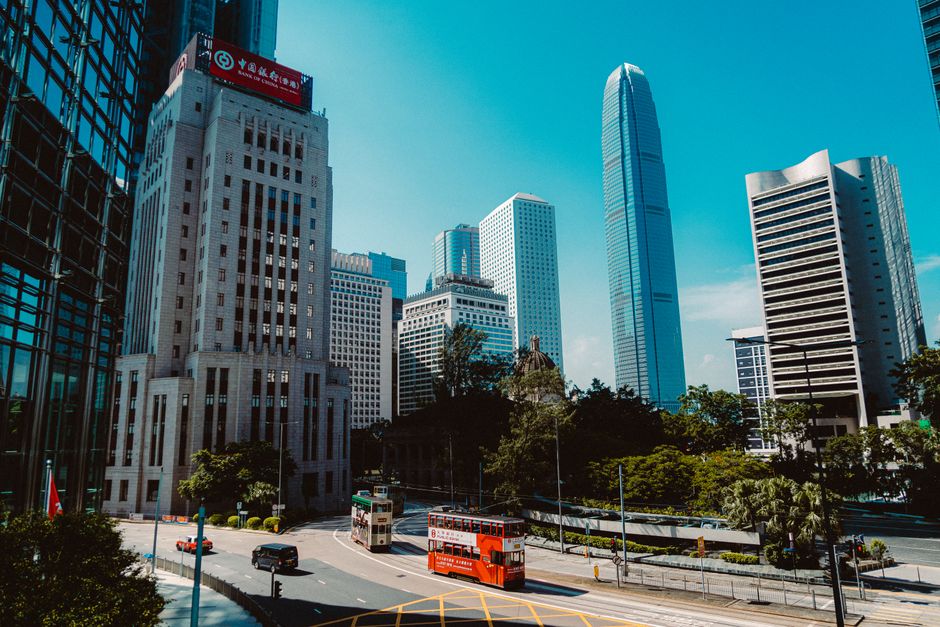
Walk past the gleaming towers of Central's financial district, and you'll see the physical manifestation of Hong Kong's economic nervous system at work. But understanding where global money actually moves requires decoding a set of less visible signals—economic indicators that savvy investors and business leaders monitor obsessively.
Hong Kong's June trade data provides a window into this landscape. Container throughput at the Port of Hong Kong, which handled 18.7 million TEUs last year, remains a crucial barometer. When shipping volumes dip, it signals broader supply chain anxieties. Similarly, the Hong Kong Dollar's strength against the US Dollar—pegged at 7.78 since 1983—rarely fluctuates, but capital flows in and out of the currency tell a different story about investor confidence.
The real tell lies in foreign direct investment (FDI) trends. Hong Kong attracted roughly USD 141 billion in FDI in 2024, according to official statistics, with significant portions flowing toward fintech hubs in Causeway Bay and emerging biotech clusters around Kowloon Bay. These investments don't happen randomly; they follow economic indicators like interest rate differentials, currency volatility indices, and credit spreads—all published daily but rarely understood outside trading rooms.
Consider the Hang Seng Index's recent gyrations. When it fluctuates sharply, foreign institutional investors recalibrate their Asian portfolio allocations. A 3 percent swing often translates to billions redirected toward Singapore, Seoul, or Shanghai. Hong Kong's equity market remains the gateway through which international capital accesses Greater China, making every basis point movement significant.
Then there's the less glamorous but equally telling metric: office vacancy rates in Sheung Wan and Admiralty. When multinational corporations downsize their regional headquarters, it signals confidence erosion. Conversely, rising rents—now exceeding HKD 2,500 per square foot in prime locations—indicate renewed appetite from international firms establishing or expanding operations.
For business leaders monitoring investment flows, several indicators deserve attention: the US-Hong Kong interest rate spread, yuan offshore trading volumes, and cross-border payment flows through the Hong Kong Monetary Authority. Each reveals investor sentiment about regional stability and opportunities.
The complexity, however, lies in interpretation. Raw numbers require context. A falling trade surplus might indicate weakened exports or merely shifting supply chains. Rising property prices could reflect genuine demand or speculative positioning ahead of policy shifts.
In Hong Kong's interconnected economy, these indicators aren't academic exercises—they're the dialect through which global capital communicates its intentions, guiding millions of investment decisions across Asia and beyond.
This article was compiled by AI from the sources linked above and screened before publishing. See our editorial standards.