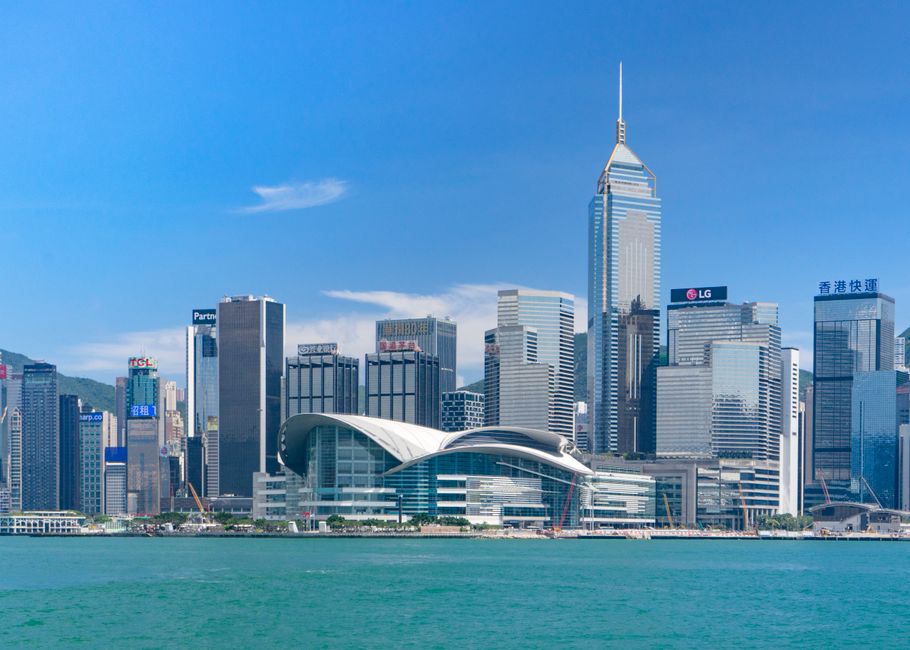
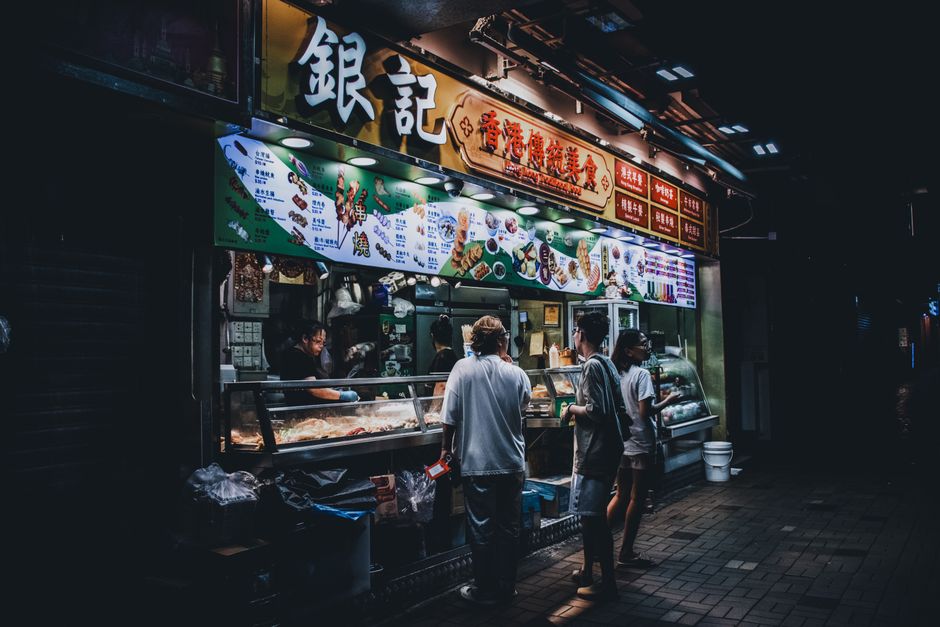
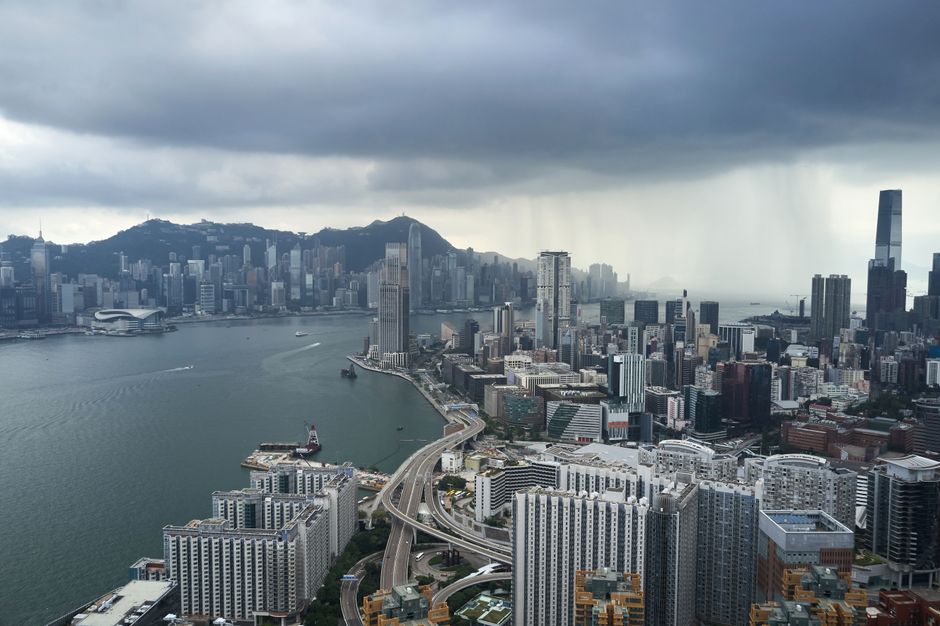
Hong Kong's trading floors from Central to Quarry Bay are buzzing with cautious optimism tinged with uncertainty as businesses reassess their global supply chain strategies midway through 2026. The convergence of geopolitical friction, unpredictable tariff environments, and shifting consumer demand patterns is forcing companies to rethink decades-old trading models that have anchored the city's prosperity.
The latest data paints a complex picture. Hong Kong's merchandise exports in the first quarter of 2026 grew 3.2 percent year-on-year, modest by historical standards, while imports declined 1.8 percent—signalling that both local manufacturers and regional traders are exercising caution. For businesses operating from the trading hubs along Des Voeux Road Central and the logistics clusters in Kwai Chung, the calculus has shifted dramatically.
Several critical trends are reshaping the landscape. First, supply chain diversification is no longer optional. Companies heavily dependent on single-source manufacturing in traditional Asian hubs are accelerating nearshoring and friend-shoring strategies. This creates both risk and opportunity: firms that can quickly pivot production or sourcing to politically stable, trade-aligned nations gain competitive advantage.
Second, geopolitical risk premiums are widening. Shipping routes that seemed stable six months ago now carry elevated insurance costs and transit time unpredictability. Businesses importing goods through the Port of Hong Kong—still handling over 19 million TEUs annually—must factor contingency buffers into inventory planning. The traditional just-in-time model is giving way to strategic stockpiling for mission-critical components.
Third, tariff volatility demands agile compliance teams. Companies working with suppliers across multiple jurisdictions face rapidly changing duty schedules and origin rules. The Hong Kong Trade Development Council has reported increased consultations from exporters seeking clarity on preferential trade agreements—particularly those involving ASEAN and Indo-Pacific partners.
For established traders in Sheung Wan and emerging fintech companies in Central, the message is clear: adaptability beats scale. Mid-sized, nimble trading houses capable of switching suppliers or restructuring supply chains within weeks are outperforming larger, more rigid competitors locked into legacy arrangements.
The second half of 2026 will test whether Hong Kong's traditional strengths—its free port status, efficient logistics, and deep trader networks—remain sufficient, or whether the city must evolve its role from middleman to strategic supply chain orchestrator. Businesses that move decisively now to map risks, diversify sources, and invest in compliance infrastructure will emerge stronger.
This article was compiled by AI from the sources linked above and screened before publishing. See our editorial standards.