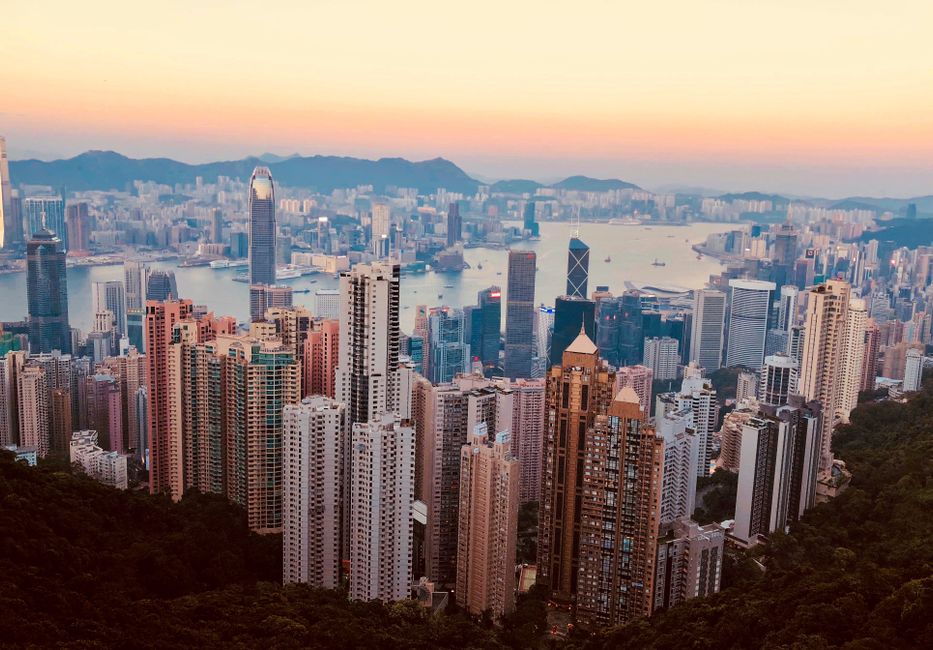
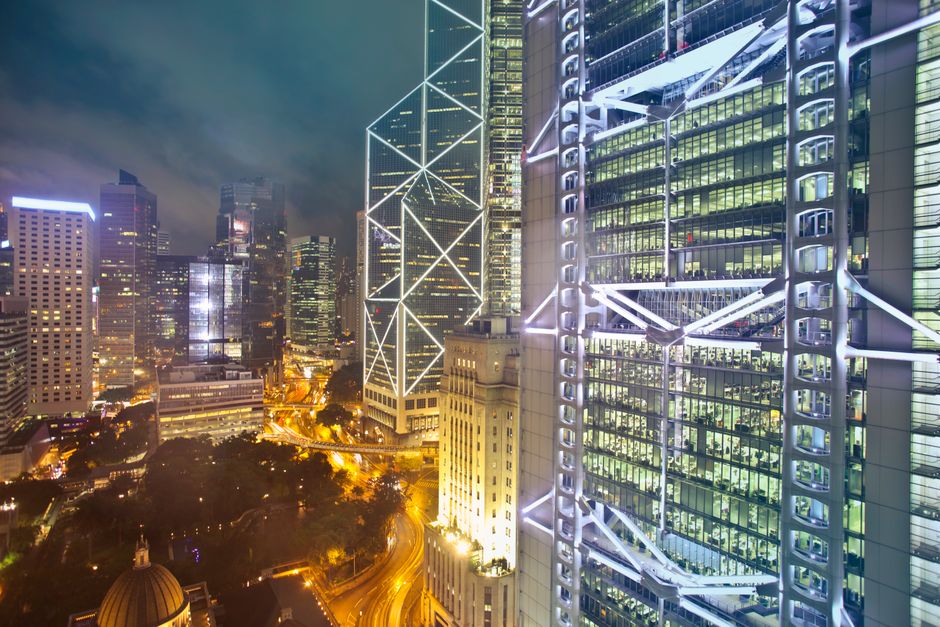
Hong Kong's office market is flashing a complicated story. Vacancy rates in Central have drifted toward 9 per cent, the highest in a decade, while rents on prime real estate along Des Voeux Road and Queen's Road Central have slid roughly 8 per cent year-on-year. Yet property investors remain curiously active—a paradox that illuminates how economic indicators often contradict surface-level headlines.
The divergence reflects a fundamental shift in capital flows. International financial institutions, which traditionally anchored Hong Kong's commercial districts, are consolidating operations or relocating back-office functions to cheaper markets like Manila and Bangkok. Standard Chartered and HSBC have both trimmed their Central footprints marginally, signalling a broader recalibration rather than wholesale retreat. This reduces demand for trophy-grade office space, depressing rental growth.
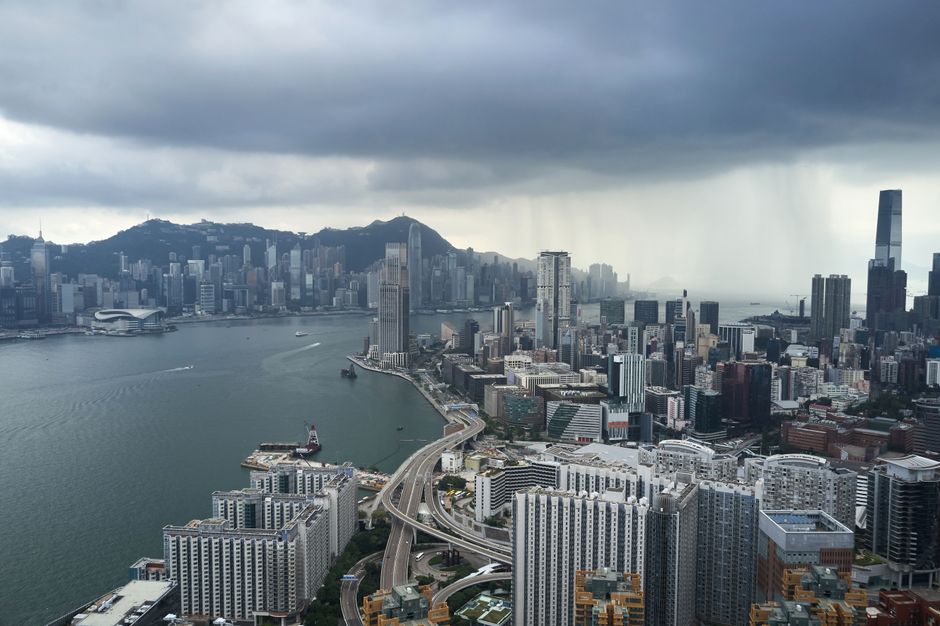
Yet investment capital hasn't evaporated—it's simply redirected. Secondary commercial zones, particularly around Kowloon Bay and Causeway Bay, have witnessed stronger leasing activity as smaller fintech firms, consulting boutiques, and creative agencies seek cost-effective alternatives. Average rents there sit 30 to 40 per cent below Central, making them attractive for firms that previously couldn't justify premium locations. This creates a two-tier market: stagnation at the top, resilience lower down.
Real estate investment trusts (REITs) and institutional buyers, watching these metrics carefully, have shifted tactics. Rather than chasing trophy assets, they're acquiring diversified portfolios across multiple districts. Land values on Nathan Road in Mong Kok and Des Voeux Road West in Sheung Wan have held steadier than Central, suggesting savvy capital recognises where actual tenant demand is materialising.
Interest rate expectations matter enormously here. With expectations of sustained higher rates through 2026, financing costs for large acquisitions remain elevated, deterring speculative buyers. Banks are tightening loan-to-value ratios on commercial property, making highly leveraged deals harder to execute. This disciplined lending environment—while frustrating for aggressive investors—has stabilised prices and prevented the speculative bubbles that plagued previous cycles.
The broader economic signal is nuanced: Hong Kong remains a global financial hub, but its office sector is contracting incrementally as Asian capitals absorb more regional roles. Capital inflows haven't reversed, but they're increasingly selective. Investors are reading the data correctly—abundance of space, modest rental returns, and geopolitical complexity require pickier strategies than the old formula of buying prime Central stock and waiting.
Understanding these cross-currents matters for corporate tenants planning expansions, and for policymakers assessing the city's commercial health. The vacancy rise isn't catastrophe; it's recalibration.
This article was compiled by AI from the sources linked above and screened before publishing. See our editorial standards.