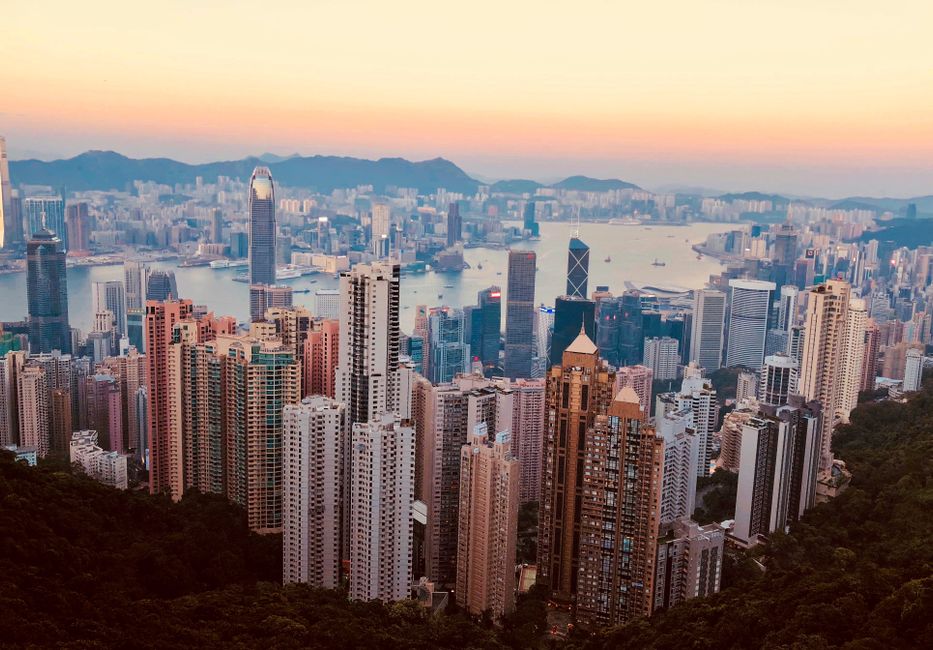
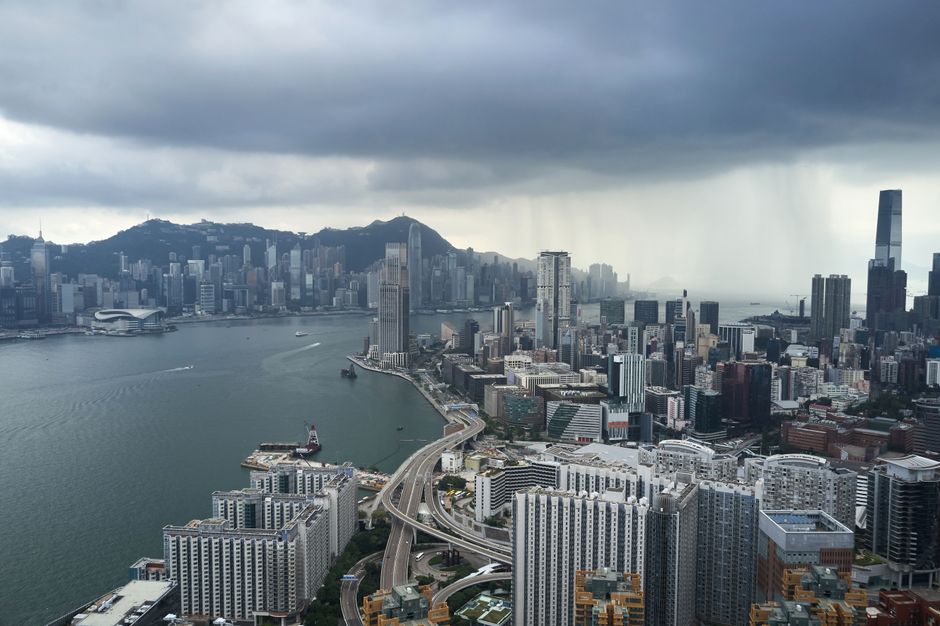
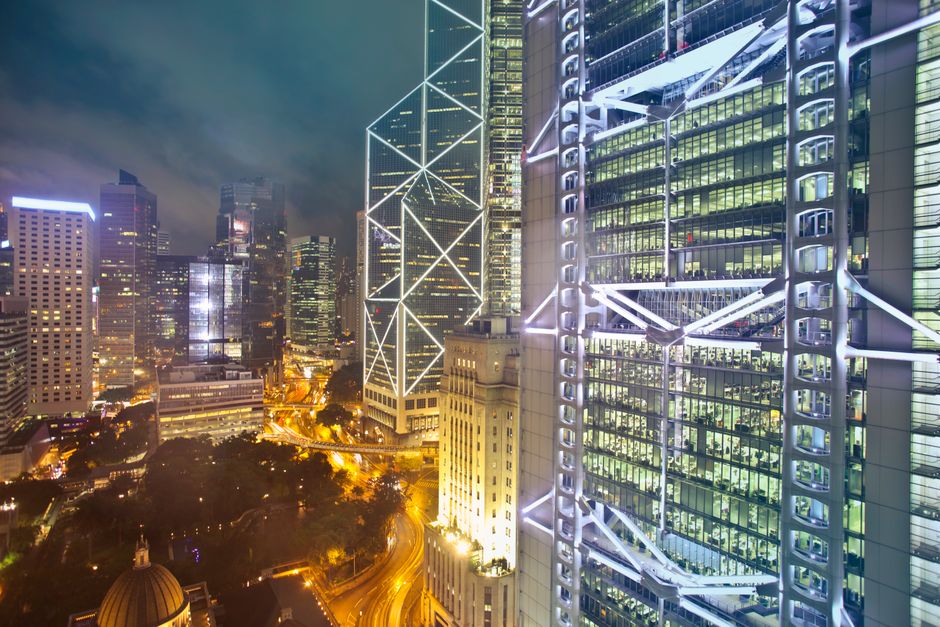
Hong Kong's tourism engine is firing again, but understanding what that means for the broader economy requires looking beyond headline visitor counts. The indicators emerging from hotels, shopping districts and financial markets paint a nuanced picture of recovery—one shaped by where tourists come from, how much they spend, and crucially, where foreign investment is flowing.
Last month, Hong Kong welcomed 3.8 million visitors, marking the strongest performance since 2019. More telling than the aggregate figure is the composition: mainland Chinese arrivals now represent roughly 75% of total traffic, a structural shift from pre-pandemic patterns when international visitors accounted for a larger share. This matters enormously for the city's economy. While mainland visitors drive foot traffic along Nathan Road in Mong Kok and through the Landmark shopping complex in Central, their average spend per capita remains lower than European or North American tourists—typically around HK$4,200 per trip versus HK$6,800 for Western visitors.
Hotel occupancy rates reveal deeper trends. Five-star properties in Admiralty and Pacific Place are running at 87% occupancy, commanding average room rates of HK$2,400 nightly. But mid-range hotels throughout Tsim Sha Tsui and Causeway Bay are struggling to sustain premium pricing, with rates compressed to HK$800–1,200 as supply has expanded faster than high-value demand recovered. This compression directly affects hotel investment returns and capital allocation decisions by major operators.
Retail spending patterns tell another story. Luxury boutiques clustered around Pedder Street and in the International Finance Centre report strong performance, yet department stores and traditional shopping malls face persistent headwinds. Retail rents in prime Central locations remain elevated at HK$1,500–2,000 per square foot annually, yet tenant mix is shifting—established fashion brands downsizing while beauty and experiential retail expand.
Perhaps most significant are investment flows. Foreign direct investment into Hong Kong's tourism-adjacent sectors—hospitality management, travel technology, and experience design—has slowed compared to 2018 levels. Major institutional investors are watching cautiously: the recent opening of three new luxury hotels added 1,200 rooms to the market, yet planning applications for hospitality development have declined 34% year-on-year, suggesting measured confidence rather than exuberance.
The employment picture underscores this complexity. Tourism-sector jobs have recovered to 260,000 positions, yet wage growth lags inflation. Transport and logistics roles connected to inbound tourism are growing faster than front-line hospitality positions.
For Hong Kong's policymakers and investors, the message is clear: visitor volume recovery is real, but the economics of that recovery remain fragile. The city's ability to attract higher-spending international tourists—not merely volume from neighbouring regions—will ultimately determine whether this rebound translates into sustainable economic growth or merely temporary activity.
This article was compiled by AI from the sources linked above and screened before publishing. See our editorial standards.