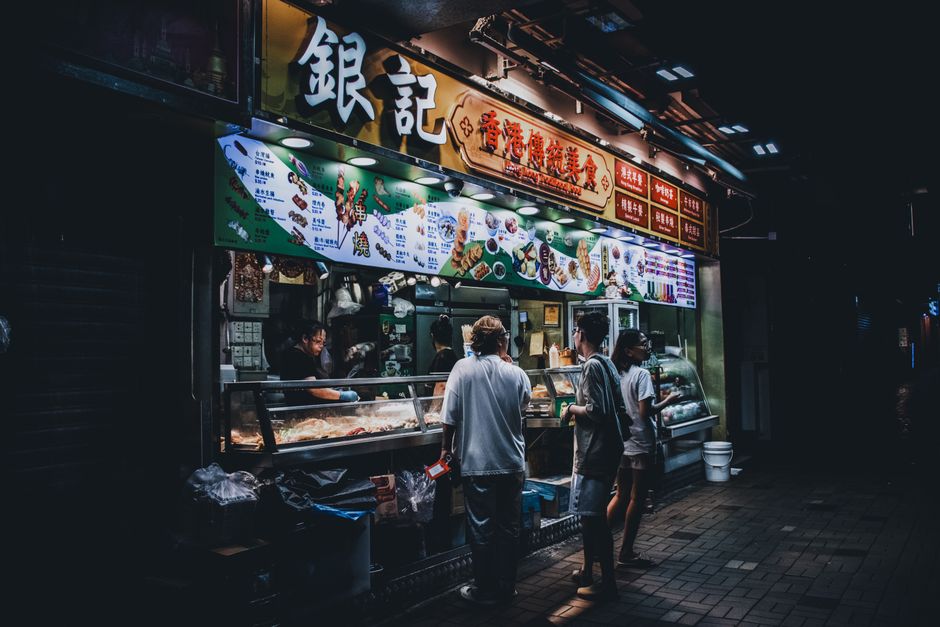
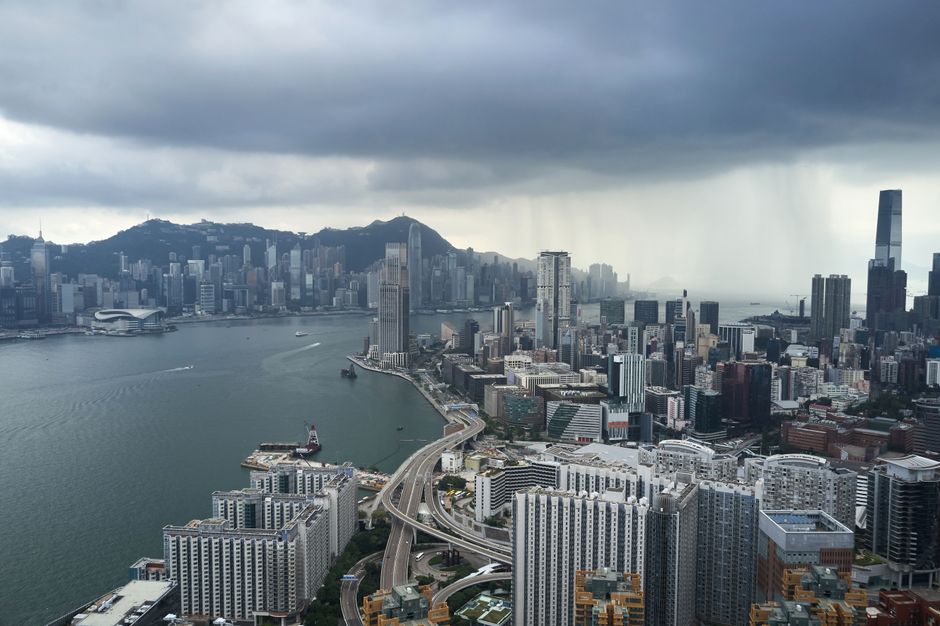
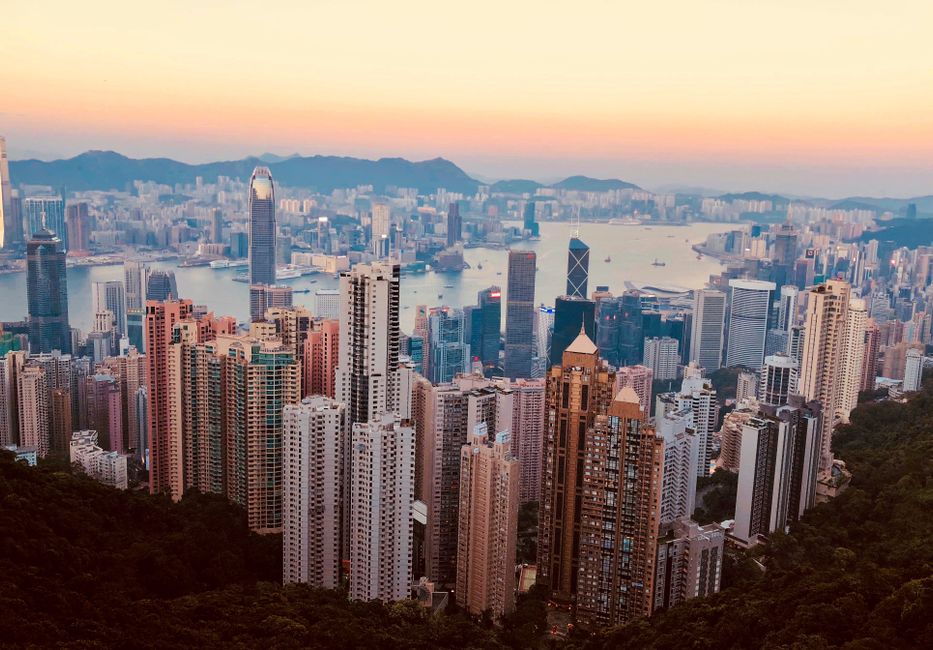
Walk down Des Voeux Road Central on any Tuesday morning, and you'll spot clusters of shop owners huddled over their phones, checking the Hang Seng Index before opening their shutters. For Hong Kong's small business community, reading economic signals has become as essential as managing inventory.
The past eighteen months have delivered mixed messages to the territory's 340,000-plus small and medium-sized enterprises. While Hong Kong's GDP growth stabilised at 2.8 percent in early 2026—modest by historical standards—the real story lies in where money is moving, and who's paying attention.
"Capital inflows tell the truth," says one veteran F&B operator who runs three venues in Sheung Wan and the Central Mid-Levels. Foreign direct investment in Hong Kong hit HK$87 billion in the first quarter of this year, according to official Trade Development Council data, a 12 percent uptick year-on-year. Yet most of that cash is clustering in fintech, logistics, and property—not the street-level retail and dining sectors where tens of thousands of sole proprietors operate.
The Hang Seng's performance this year has been volatile, oscillating between 16,200 and 17,800 points as geopolitical tensions and global interest rate policy create unpredictable currents. For small business owners deciding whether to expand, refinance, or hold tight, these swings matter enormously. Commercial lending rates in Hong Kong have edged toward 6.5 percent, making expansion loans considerably less attractive than they were three years ago.
Yet newer indicators suggest opportunities remain. Retail foot traffic in Causeway Bay and Mong Kok has recovered to 94 percent of pre-2024 levels, according to Nielsen data, while e-commerce adoption among SMEs climbed to 68 percent—forcing traditional shopkeepers to rethink their models. Tourism has rebounded robustly; visitor arrivals approached 16 million in the first half of 2026, benefiting hotels, restaurants, and attractions across Hong Kong Island and Kowloon.
The message for entrepreneurs: macro signals matter, but they're not destiny. Small business survival hinges on reading local microtrends—foot traffic patterns, credit availability, consumer sentiment—while keeping one eye on global capital flows that determine borrowing costs and investment appetite.
For those willing to interpret the signals correctly, Hong Kong's operating environment remains navigable, if no longer forgiving of complacency.
This article was compiled by AI from the sources linked above and screened before publishing. See our editorial standards.