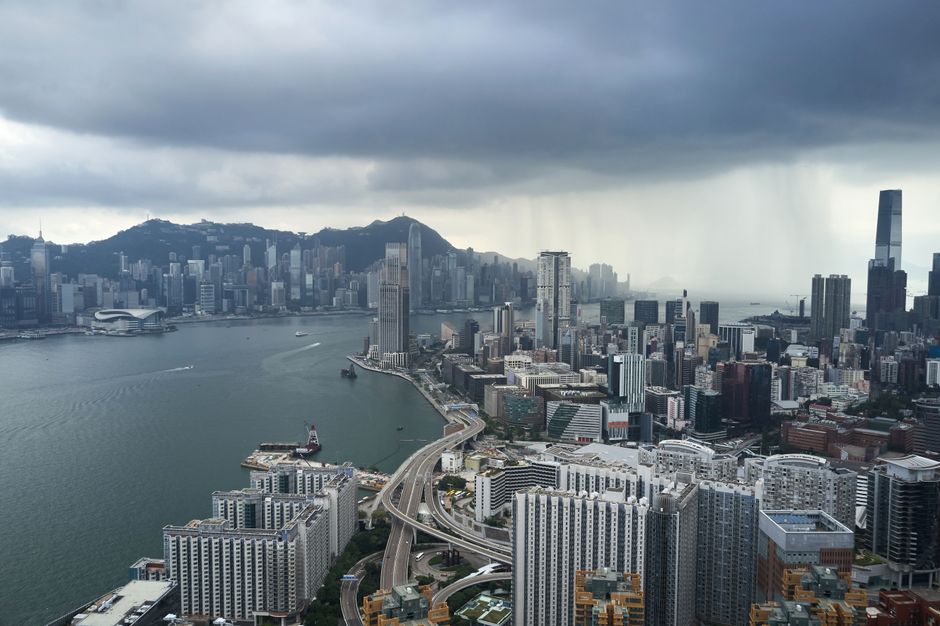
Walk along Des Voeux Road Central on any given morning, and you'll find shop owners huddled over phones, tracking currency movements and stock indices with the intensity of chess masters. For Hong Kong's small business community—from the tailors of Mong Kok to the tech startups clustering in Cyberport—reading economic signals has shifted from optional to essential.
The question preoccupying many entrepreneurs right now is straightforward: what do shifting investment flows mean for my business? The answer requires understanding three core indicators that professionals monitor daily.
First is the Hong Kong Dollar peg to the US Dollar, currently holding at 7.78. This mechanism, maintained by the Hong Kong Monetary Authority since 1983, anchors the currency but creates sensitivity to American interest rate decisions. When the Federal Reserve signals rate cuts—as it has intermittently throughout 2026—capital flows respond. Import-reliant businesses suddenly face compressed margins, while exporters gain breathing room. A family-run electronics wholesaler in Sham Shui Po, for instance, benefits when the greenback weakens against regional currencies.
Second is the Hang Seng Index volatility, which directly influences consumer confidence and commercial rent values. The index has fluctuated between 16,000 and 19,000 points this quarter, creating uncertainty. Office rents in Central have plateaued around HK$60-80 per square foot monthly—significantly above pre-pandemic levels—making lease renewal negotiations critical for established firms.
Third, and perhaps most overlooked, is the direction of cross-border capital flows with mainland China. The Southbound Stock Connect programme tracks money flowing from the mainland into Hong Kong equities, serving as a barometer for investor appetite. When these flows strengthen, it typically signals confidence in Hong Kong's financial ecosystem, encouraging both institutional and retail investment in local enterprises.
For practical guidance, many entrepreneurs now consult the Hong Kong Trade Development Council's monthly economic briefings or monitor the Confederation of Hong Kong Industries indices. These publicly available resources translate macroeconomic jargon into actionable intelligence.
What's emerged is a new breed of small business operator—one who understands that currency hedging, lease timing, and market entry decisions must align with broader capital flow patterns. The entrepreneurs thriving on Wellington Street and in the industrial parks of Kwai Chung are those who've learned to read these signals as naturally as their predecessors read weather patterns or customer footfall.
In 2026's uncertain environment, that literacy isn't a luxury—it's survival.
This article was compiled by AI from the sources linked above and screened before publishing. See our editorial standards.