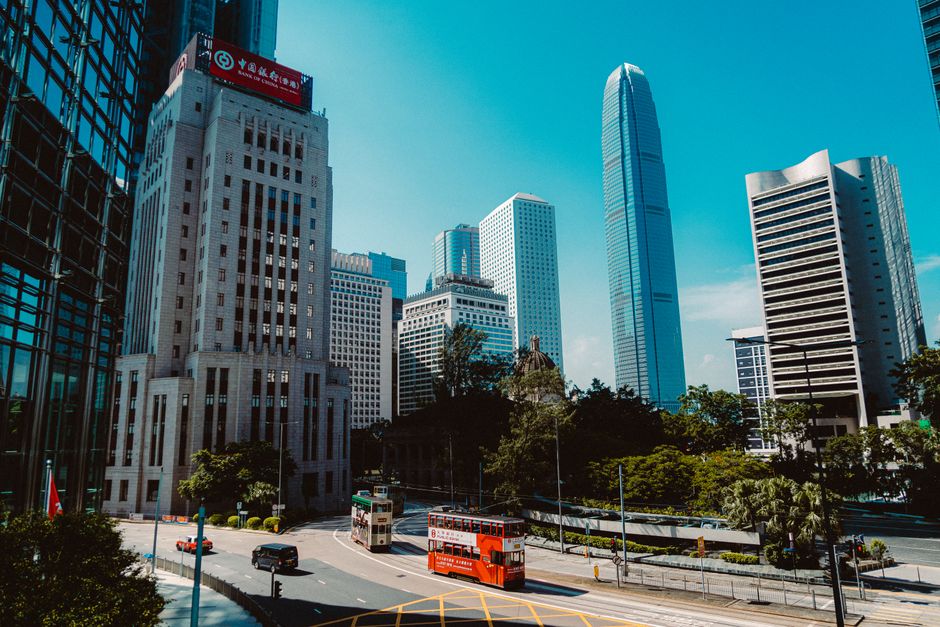
Hong Kong's business community faces a critical juncture as investment patterns shift beneath the surface of Asia's most dynamic financial hub. While the Hang Seng Index continues to fluctuate around the 17,000-18,000 mark, the real story lies in where capital is flowing—and where it's retreating.
The retail sector tells a particularly cautious tale. Landlords along Causeway Bay's bustling Hennessy Road and the traditional flagship stores of Central have reported rental negotiations increasingly weighted toward tenants, with some premium spaces seeing discounts of 15-20 percent compared to 2024 levels. Foot traffic data from MTR stations serving these commercial hubs suggests consumer confidence remains fragmented, particularly among mainland visitors whose spending patterns have proven more selective than in previous years.
Property investment dynamics warrant careful attention. While residential prices in desirable neighbourhoods like Mid-Levels and Repulse Bay have held relatively steady, the secondary market—particularly in districts like Sham Shui Po and older Kowloon areas—shows increasing investor activity at lower price points. Industry analysts suggest this represents a fundamental shift: capital seeking value over prestige, signalling broader economic recalibration across Hong Kong's business community.
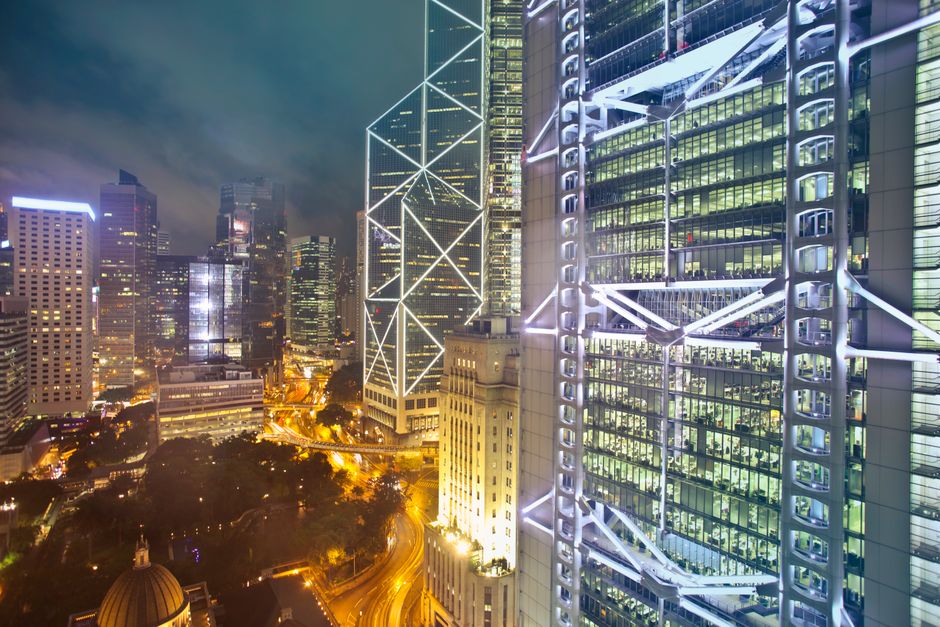
Technology and financial services remain bright spots, but with nuance. Fintech companies and digital payment platforms continue attracting venture capital, yet funding rounds are becoming more competitive and founders are facing stricter profitability expectations. The traditional financial district around Central and Des Voeux Road remains Asia's cornerstone, but institutions are increasingly scrutinising operational costs and headcount efficiency.
Cost of living pressures are reshaping business strategy in unexpected ways. While luxury goods and fine dining along areas like Stanley and Soho maintain premium positioning, mid-market restaurants and service businesses report tighter margins. Office space demand in Central and Wan Chai has softened, with companies renegotiating leases and embracing flexible working arrangements—a trend that began during pandemic disruptions but has now become structural.
For businesses navigating this environment, the imperatives are clear: diversify revenue streams beyond single markets, reassess operational costs ruthlessly, and remain alert to emerging opportunities in secondary retail locations and technology infrastructure. The Hong Kong investment playbook of the 2020s looks markedly different from the previous decade—success belongs to those who adapt swiftly to these new market rhythms.
This article was compiled by AI from the sources linked above and screened before publishing. See our editorial standards.