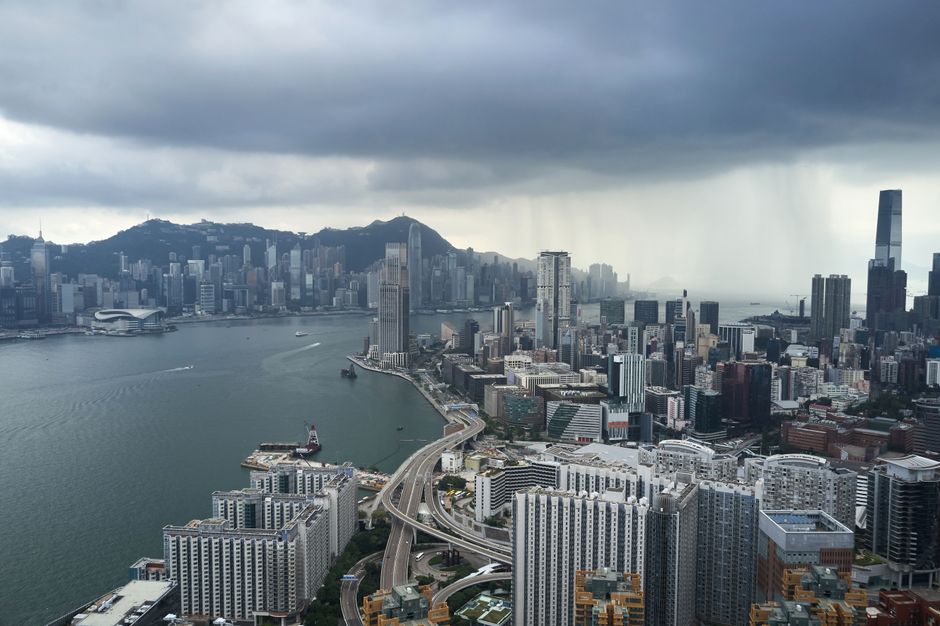
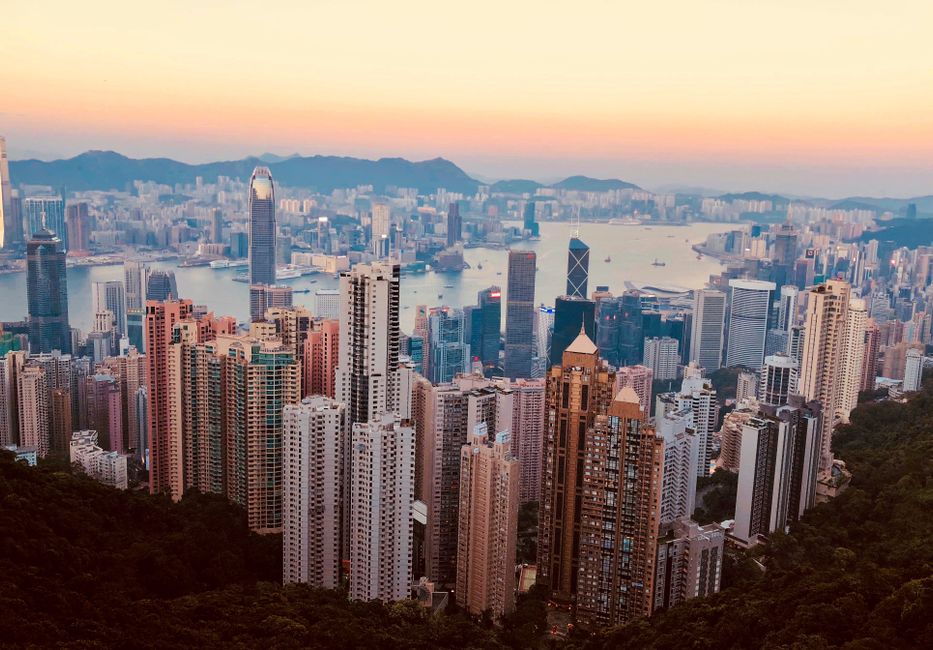
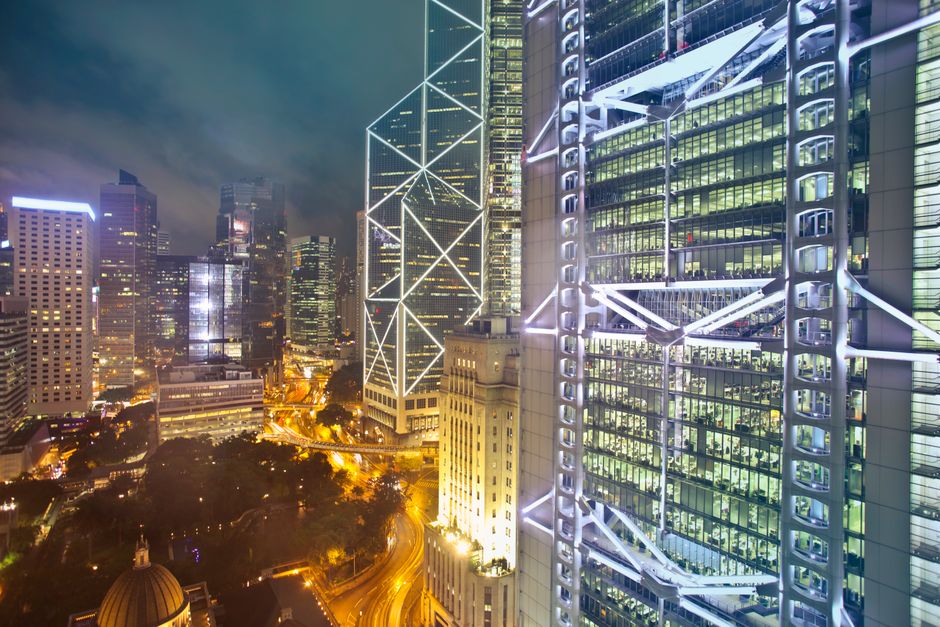
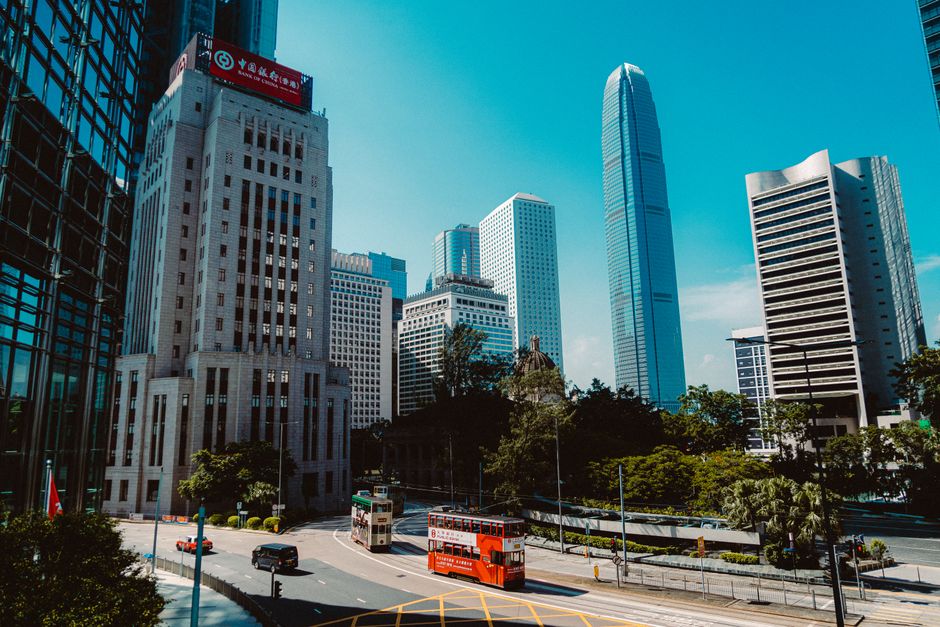
Hong Kong's commercial property market is experiencing a subtle but unmistakable recalibration as multinational corporations respond to mounting geopolitical pressures elsewhere in the world. The past weeks have seen fresh security concerns across multiple regions—from humanitarian crises in Venezuela and the Democratic Republic of Congo to escalating tensions in Pakistan and the Strait of Hormuz—prompting foreign enterprises to evaluate their operational footprint with newfound urgency.
The impact is already visible on the ground. Several mid-sized financial and logistics firms have recently signed extended leases in Central, sources familiar with the matter suggest, prioritising Hong Kong's regulatory stability and position as a neutral financial hub. Rents in prime Central locations have held relatively steady around HK$120-140 per square foot annually, but tenant composition is shifting notably toward companies seeking to consolidate regional operations rather than expand them.
"There's a flight to quality and perceived safety," explains one Causeway Bay-based commercial agent, noting that firms previously hedging bets across multiple Southeast Asian cities are now consolidating. This has bolstered demand for Grade A office space in established clusters like the International Finance Centre precinct and Landmark buildings, while secondary locations in Kowloon are experiencing softer leasing activity.
The broader context matters. With US-Iran tensions potentially affecting shipping routes through the Middle East, companies dependent on supply-chain stability are reconsidering where to base regional management. Pakistani military operations have further rattled confidence in South Asian operations. Concurrently, emerging-market volatility—whether in Venezuela or elsewhere—has prompted multinational boards to favour established, politically transparent jurisdictions for their critical functions.
This dynamic creates a two-tiered market. Premium Central and Admiralty stock remains sought-after, with occupancy rates remaining robust. Meanwhile, landlords with buildings in lesser-prime locations face pressure to modernise or accept lower rents to attract tenants. Average office rents across Hong Kong Island have nudged down 2-3 per cent year-on-year in secondary zones, according to recent market data, even as prime addresses hold firm.
The question now is whether this represents a temporary realignment or a sustained shift. If global instability persists, Hong Kong's traditional advantages—rule of law, free capital flows, strategic location—could cement its position as the regional operations hub for risk-averse multinationals. For property owners and occupiers alike, the calculus is clear: stability, wherever it exists, commands a premium.
This article was compiled by AI from the sources linked above and screened before publishing. See our editorial standards.