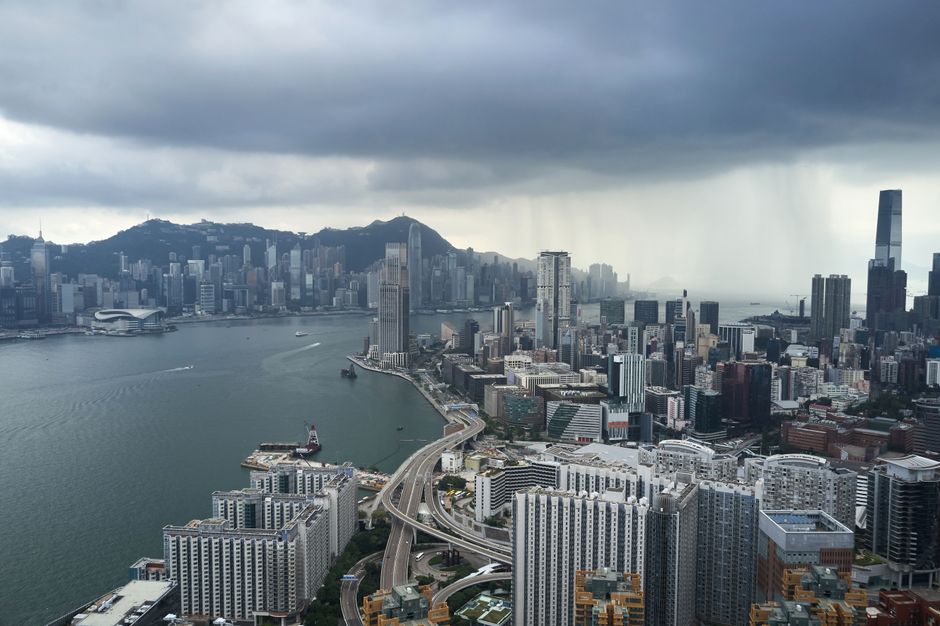
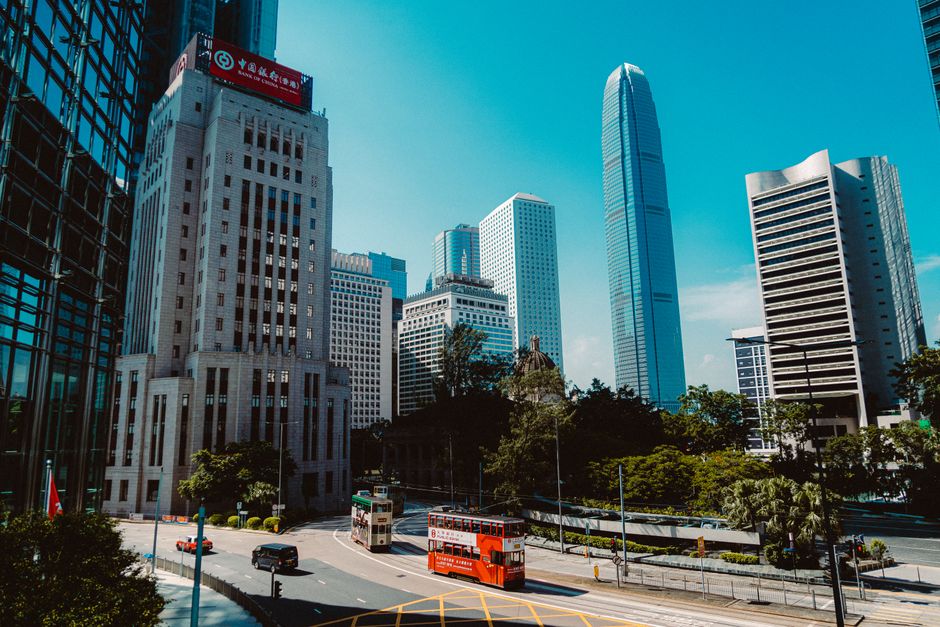
Hong Kong's trading community faces a critical inflection point. As geopolitical friction intensifies across the Middle East and emerging markets brace for policy shifts, companies operating from Central's gleaming towers to the warehouse districts of Kwai Tsing are being forced to reassess supply chain assumptions that held firm for years.
The numbers tell a sobering story. Freight forwarding rates from Hong Kong to key markets have climbed 8-12 percent since early June, driven partly by insurance premiums in the Strait of Hormuz and partly by logistics firms hedging against unpredictable U.S. tariff announcements. For mid-sized exporters operating on thin margins—the backbone of Hong Kong's trade sector—this translates directly to pressure on competitiveness.
"The talk in the trading floors along Des Voeux Road is all about dual-sourcing," notes analysts tracking Port of Hong Kong activity. Container throughput this quarter sits at 6.2 million TEU, down 3.2 percent year-on-year, a visible marker of businesses cautiously reducing exposure to single-source dependencies.
Currency fluctuation has become another constant headache. The Hong Kong dollar, pegged to the U.S. currency, means exporters cannot lean on depreciation to cushion margin compression—unlike competitors in Southeast Asia. Traders in Mong Kok's electronics hub and the fashion wholesalers clustered near Times Square are increasingly turning to hedging instruments, a cost previously considered optional.
Three trends demand immediate attention. First, diversification away from U.S.-bound shipments is accelerating. Africa and Southeast Asia now account for a larger share of new trading partnerships explored by Hong Kong merchants, as traditional transatlantic routes become politically uncertain. Second, the window for securing preferential trade status—before any new bilateral agreements reshape the landscape—is closing rapidly. Companies must audit their current arrangements before Q3 ends. Third, reshoring pressures in developed economies mean Hong Kong's traditional role as a re-export hub faces structural headwinds.
Smart operators are already moving. The American Chamber of Commerce reports record attendance at compliance workshops held in Wanchai. Accountants at the major firms throughout Central are fielding urgent calls about tariff classification reviews. Logistics companies advertising "alternative routing" services have seen inquiry volumes triple.
For Hong Kong businesses, the message is clear: treat mid-2026 as a reset moment. Those who wait for clarity on U.S.-Iran negotiations or global trade winds will lag competitors already building redundancy into their networks. The margin of error has shrunk considerably, but opportunity remains for those willing to act decisively.
This article was compiled by AI from the sources linked above and screened before publishing. See our editorial standards.