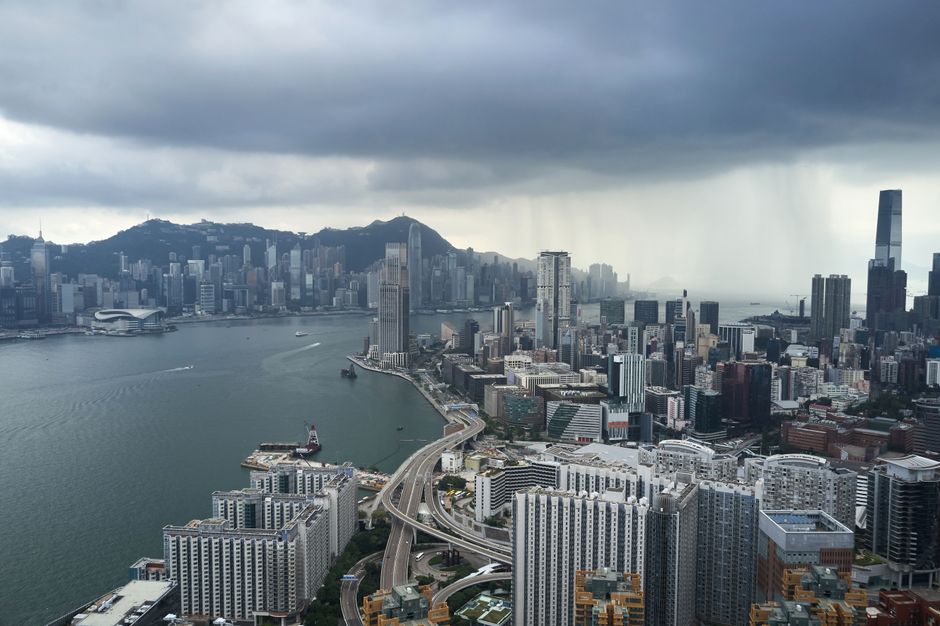
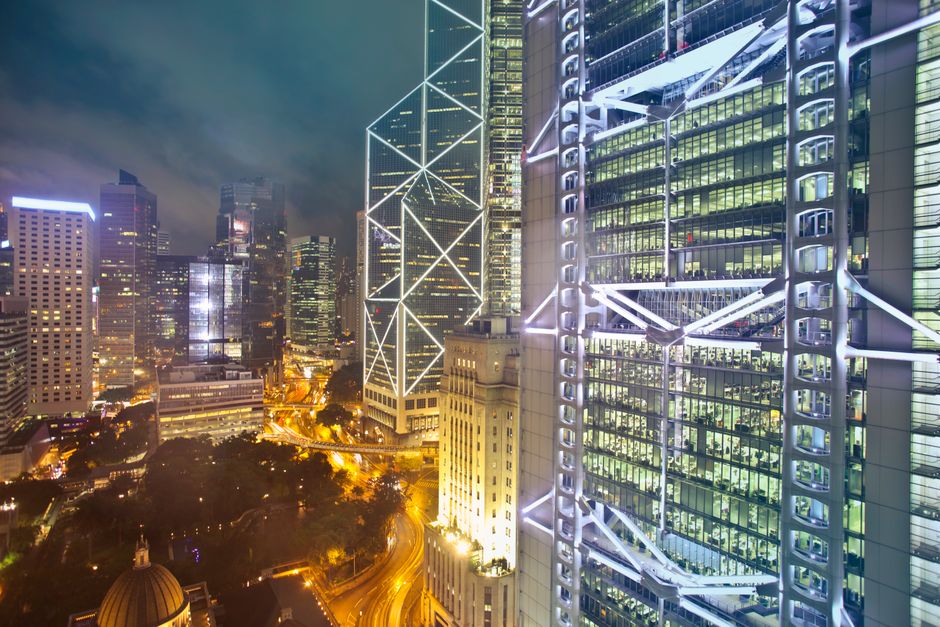
Hong Kong's small business ecosystem is displaying encouraging signs of recovery, according to recent market data analysed by the Hong Kong General Chamber of Small and Medium Enterprises. The territory's venture capital inflows reached HK$8.7 billion in the first half of 2026—a 34 percent increase compared to the same period last year—signalling that investors remain bullish on local innovation hubs despite regional geopolitical tensions.
For entrepreneurs operating in neighbourhoods like Mong Kok and Sheung Wan, understanding these capital flows has become essential. The Hong Kong Venture Capital Association reports that fintech and logistics startups are commanding the lion's share of investment, with an average Series A round now ranging between HK$15-40 million. Meanwhile, traditional retail operators have benefited from modest but steady foot traffic increases along Des Voeux Road and Queens Road East, where foot traffic recovered to 92 percent of pre-2023 levels.
Consumer spending patterns tell a nuanced story. While luxury brands remain concentrated in Central's shopping malls, mid-market retailers in Causeway Bay and Wan Chai are experiencing genuine traction. The Hong Kong Retail Management Association notes that average shop rents in secondary commercial areas have stabilised at HK$80-120 per square foot monthly—down from HK$140 in 2024—creating new opportunities for independent business owners.
Small business operators should monitor several key indicators closely. The Hong Kong PMI, which tracks manufacturing and services activity, currently sits at 53.2, above the 50-point expansion threshold. Interest rates, influenced by Federal Reserve decisions, remain a critical factor; any rate hikes would immediately affect borrowing costs for SMEs reliant on bank financing, a reality for roughly 68 percent of Hong Kong's small business sector according to the Federation of Hong Kong Industries.
Import and export data also warrant attention. While total merchandise trade volumes have recovered modestly, the composition matters significantly—technology components and supply chain-related services show particular strength, benefiting businesses in Kowloon East's industrial zones and near the Airport Authority's logistics corridors.
The takeaway for entrepreneurs is clear: capital is available, rental markets are normalising, and consumer demand shows signs of genuine improvement. However, success requires vigilant attention to macroeconomic signals, particularly currency fluctuations against the US dollar peg and regional trade developments that could reshape investment priorities in coming quarters.
This article was compiled by AI and screened before publishing. See our editorial standards.