Hong Kong's Tourism Recovery: Reading the Economic Signals Behind Visitor Flows
As arrivals climb back toward pre-pandemic levels, investors are closely monitoring hotel occupancy rates, retail spending, and capital deployment across the city's hospitality sector.
This article was generated by AI from the linked public sources. The Daily Hong Kong is independently owned and covers Hong Kong news free from advertiser or sponsor influence. Read our editorial standards →
Hong Kong's visitor economy is sending increasingly bullish signals to investors watching the city's post-2020 rebound. Latest figures show visitor arrivals reached 3.2 million in the first quarter of 2026—a 23% year-on-year jump—but understanding what this means for business requires digging into the numbers beneath the headlines.
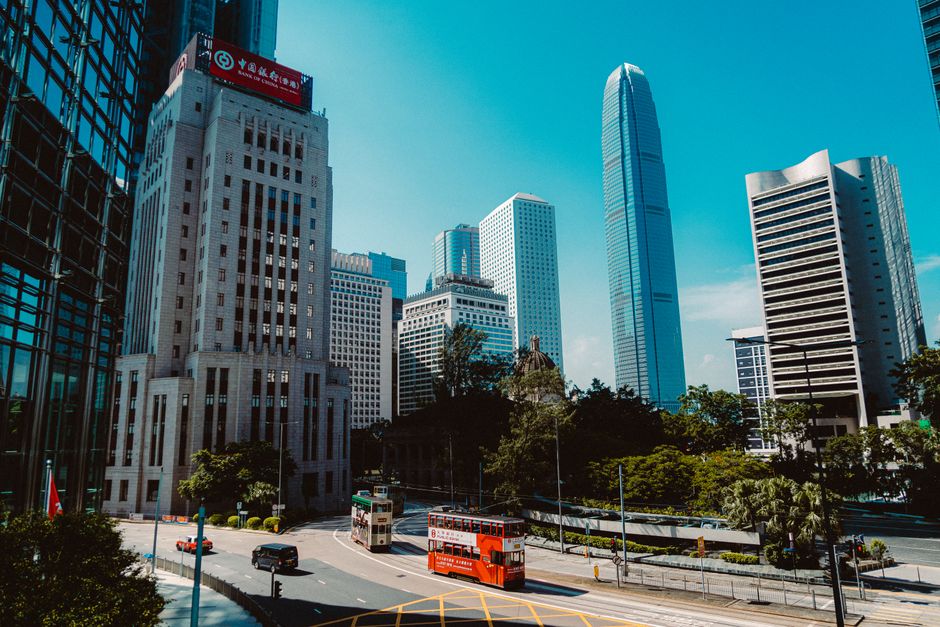
Hotel occupancy rates in Central and Causeway Bay are now hovering around 78%, up from 64% a year ago, according to hospitality consultancy JLL. This metric matters because it directly signals pricing power. Mid-range properties on Des Voeux Road Central have lifted room rates to HK$1,200–HK$1,500 per night, a 12% premium over 2025, while luxury properties near the Landmark Centre are commanding HK$3,500+ for standard rooms. These increases flow directly to operator revenues and dividend yields for major hospitality REITs, making tourism a proxy for broader economic confidence.
But visitor numbers alone tell only half the story. Average visitor spending has climbed to HK$8,900 per trip—up from HK$7,200 in the same period last year. Much of this reflects elevated retail activity along Kowloon's Nathan Road and Tsim Sha Tsui's shopping corridor, where luxury goods sales have expanded 18% annually. This matters to retail landlords and brand investors betting on Hong Kong's role as a mainland shopping gateway, especially as Shenzhen wealth continues to drive cross-border purchasing.
Capital flows are following these trends. Foreign direct investment into Hong Kong's tourism and hospitality sectors reached US$340 million in the first half of 2026, nearly double the same period two years ago. Singapore's Ascott and Malaysia's Pavilion Hospitality are among recent entrants expanding their serviced apartment portfolios across Admiralty and Wan Chai—segments targeting extended-stay business visitors whose spending patterns differ markedly from traditional tourists.
The mainland source market—comprising 68% of arrivals—remains the bellwether. When mainland visitor numbers dip, hotel RevPAR (revenue per available room) typically contracts within weeks. Conversely, rising Independent Travel Scheme (ITS) bookings to Hong Kong, now up 34% year-on-year, function as a leading indicator of consumer confidence across Pearl River Delta cities.
For investors tracking Hong Kong's economic health, these tourism metrics offer genuine insight. They reflect not just discretionary spending, but also confidence in currency stability, political risk assessment, and brand perception. As Q3 approaches—traditionally Hong Kong's peak season—market participants will watch whether current momentum sustains or signals underlying economic fragility.
This article was compiled by AI from the sources linked above and screened before publishing. See our editorial standards.
Covering business in Hong Kong. This article was generated by AI from the linked sources and was not reviewed by a human editor before publishing. See our editorial standards.