Business
How Global Chaos Is Reshaping Hong Kong's Job Market Right Now
From Middle East tensions to Venezuela's crisis, international instability is forcing local employers to rethink hiring, salaries, and where they do business.
3 min read
Business
From Middle East tensions to Venezuela's crisis, international instability is forcing local employers to rethink hiring, salaries, and where they do business.
3 min read

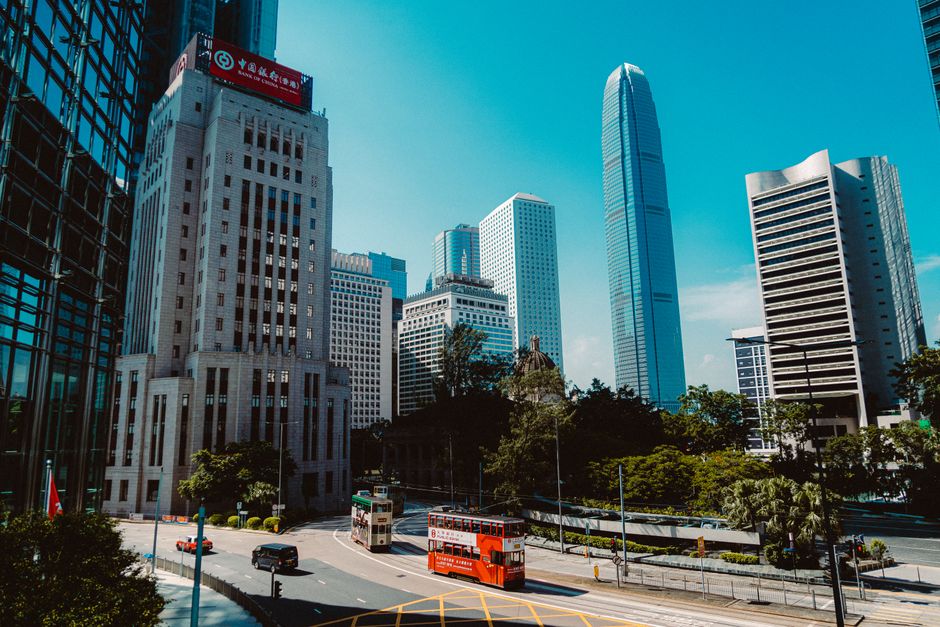
Walk through Central's financial district on any weekday morning and you'll see the same familiar rush—but the conversations in lobbies and coffee shops at places like IFC Mall tell a different story. Hong Kong's job market, long insulated by its status as a global financial hub, is now visibly buffeted by forces far beyond the territory's borders.
The past six months have brought a cascade of geopolitical shocks: escalating Middle East tensions, Pakistan-Afghanistan conflict, Venezuela's humanitarian crisis, and ongoing U.S.-Iran diplomatic brinkmanship. For Hong Kong's employers, the ripple effects are immediate and tangible. Trade finance roles, traditionally stable in Sheung Wan's banking corridor, are seeing salary freezes as shipping routes face uncertainty. Insurance and risk management positions in Causeway Bay have opened unexpectedly as companies reassess exposure to unstable regions.
Data from local recruitment firms paints a cautious picture. Mid-level finance professionals report that signing bonuses—once standard in Hong Kong's competitive market—have become negotiable. The starting salary for junior analysts at major firms remains around HK$25,000-28,000 monthly, but promotional timelines have stretched. One Central-based recruiter noted that clients are "holding back on non-essential hires" until geopolitical winds settle.
The logistics sector, Hong Kong's lifeblood, feels the pressure most acutely. With the Suez corridor and Persian Gulf facing renewed uncertainty, supply chain specialists are increasingly sought-after, yet companies are reluctant to commit to aggressive expansion. Port operations at Kwai Tsing Container Terminal continue running at high capacity, but hiring freezes suggest caution ahead.
Technology and professional services firms in Cyberport show more resilience. Remote work capabilities mean geographical risk matters less, and demand for cybersecurity expertise—heightened by geopolitical tensions—keeps salaries firm. Yet even here, executives report clients delaying project approvals pending clarity on international conditions.
The hospitality sector, still recovering from years of disruption, faces fresh headwinds. Tourism forecasts hinge partly on regional stability. Hotels along Victoria Harbour are cautiously staffing rather than aggressively recruiting as previously planned.
What's striking is Hong Kong's vulnerability despite its sophistication. The territory's economy hinges on global trade and stability in ways that make it acutely sensitive to distant crises. A Venezuela earthquake, Iran-U.S. talks, or Pakistan border tensions each send signals through Hong Kong's trading floors within hours.
For job seekers, the lesson is clear: Hong Kong's employment landscape remains strong by regional standards, but it's no longer immune to the world's instability. The next hire, the next promotion, increasingly depends less on local conditions than on headlines thousands of miles away.
This article was compiled by AI from the sources linked above and screened before publishing. See our editorial standards.
Business
Business

Business
Business
About this article
Published by The Daily Hong Kong
Spread the word
Daily brief
Free, in your inbox before 7am. Weekdays.
Before you go
The day's Hong Kong news in a 2-minute read. Free, weekday mornings.