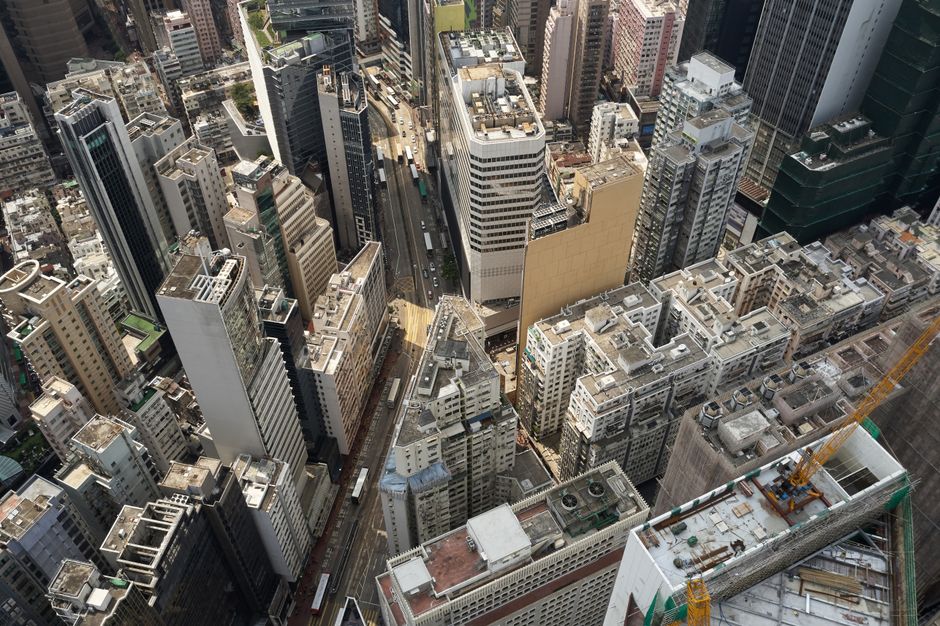
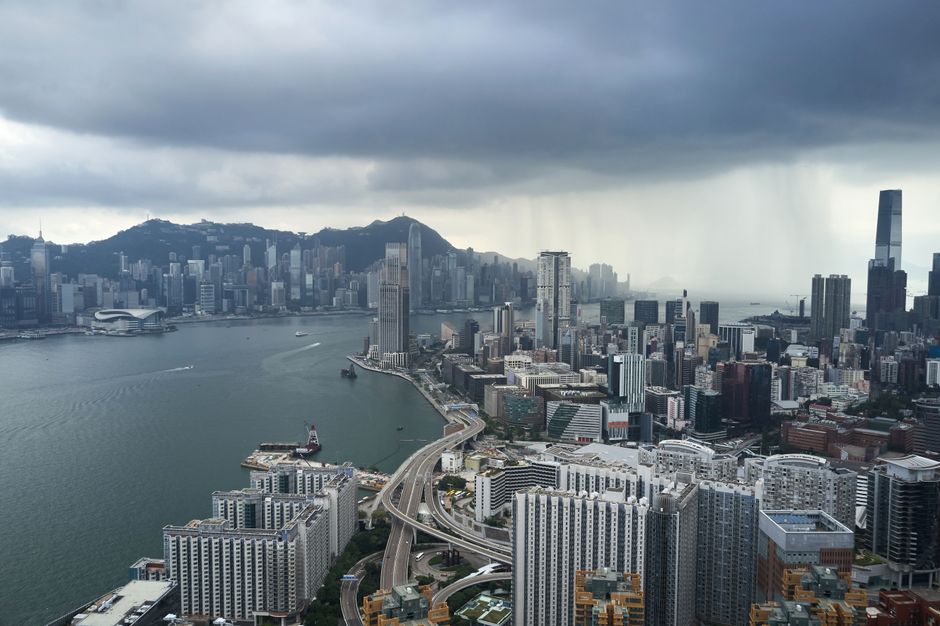
Hong Kong's retail and hospitality sectors are at an inflection point. After three years of volatile consumer behaviour, businesses across Causeway Bay, Mong Kok, and Central are grappling with fundamental shifts in spending patterns, labour economics, and foot traffic distribution that demand immediate strategic response.
The first major trend is geographic fragmentation. Traditional retail strongholds like Causeway Bay remain challenged, with vacancy rates hovering near 8%, according to recent commercial real estate assessments. Meanwhile, secondary locations—Taikoo Place, K11 Musea in Victoria Dockside, and emerging clusters along Chater Road—are capturing disproportionate consumer attention. Restaurants and cafés that once relied solely on MTR-adjacent locations now find success in less obvious addresses, requiring operators to rethink their real estate strategy entirely.
Labour costs remain the sector's most pressing headache. Minimum wage stands at HK$40.30 per hour, up 2% from 2024, but many hospitality venues report offering HK$50+ to retain kitchen staff and front-of-house talent. This structural cost increase cannot be absorbed by margins alone. Smart operators are investing in kitchen automation and streamlined menus rather than raising prices, which threatens to alienate price-sensitive Hong Kong diners.
Third, the F&B landscape is bifurcating sharply. Premium dining—fine French cuisine, Michelin-adjacent establishments—continues performing well, particularly in Sheung Wan and along Des Voeux Road Central. Simultaneously, quick-service and sub-HK$100 casual dining is booming, driven by younger consumers and office workers. The vulnerable middle—mid-range independent restaurants with HK$150-250 price points—faces genuine distress, with several notable closures in recent months.
Finally, digital integration is no longer optional. Consumers increasingly expect seamless ordering across QR codes, apps, and delivery platforms. However, the squeeze from aggregators like Foodpanda and Deliveroo—which take 25-30% commissions—is becoming untenable for single-location operators. Forward-thinking venues are building direct-to-consumer capabilities and loyalty programmes to reduce platform dependency.
The path forward requires brutal honesty about unit economics. Businesses must audit their foot-traffic patterns granularly, test menu innovations in real-time, and consider whether their current location justifies its rent premium. Those waiting for a return to pre-2020 normality risk irrelevance. The market has shifted; adaptation is survival.
This article was compiled by AI from the sources linked above and screened before publishing. See our editorial standards.