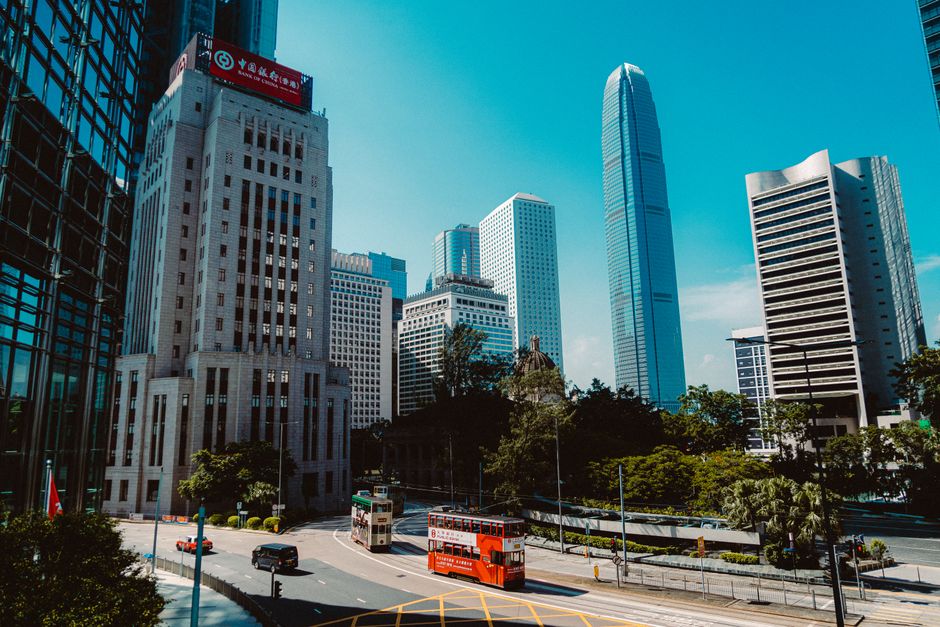
Hong Kong's commercial property market is flashing contradictory signals that confuse even seasoned investors. The latest data from the Rating and Valuation Department shows office vacancy rates in Central hovering near 8.5%, up from 6.2% two years ago—a shift that looks alarming until you examine where money is actually flowing.
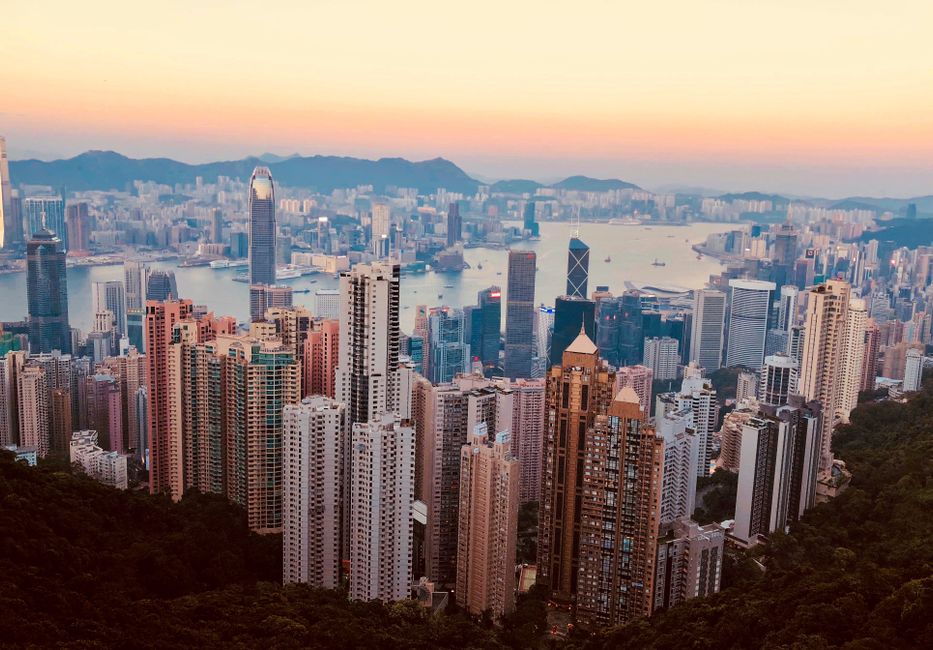
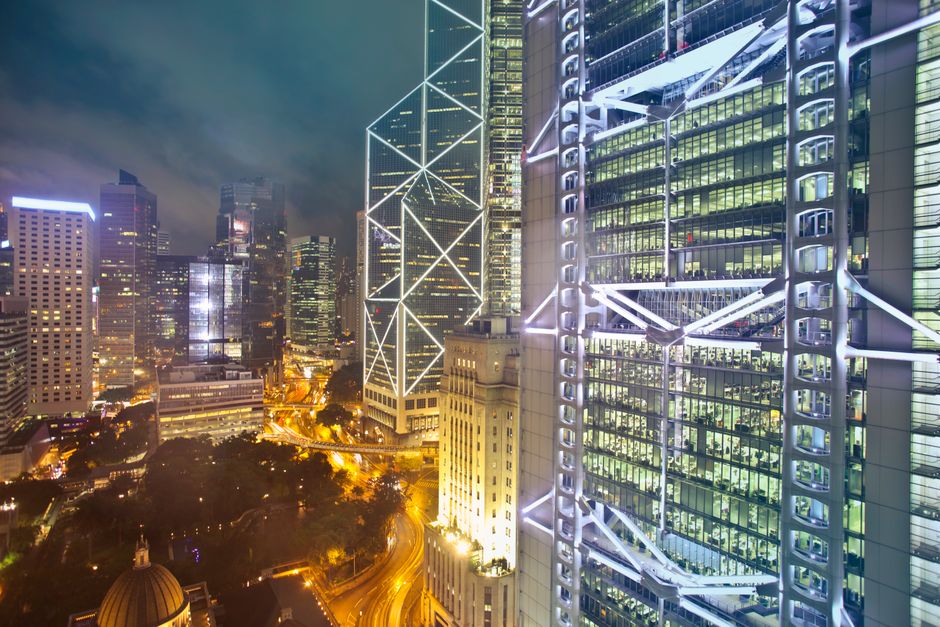
The headline figures mask a tale of selective migration. Grade A office space in Central remains expensive, with rents clustering around HK$75–85 per square foot monthly, but activity has concentrated in fewer, newer buildings. Meanwhile, secondary-grade properties on Des Voeux Road Central and even Pedder Street have seen rental pressure, with some landlords offering concessionary terms to retain tenants. This bifurcation reflects a broader economic indicator: multinational firms and regional headquarters are consolidating into premium trophy addresses, while mid-tier occupiers face margin pressures.
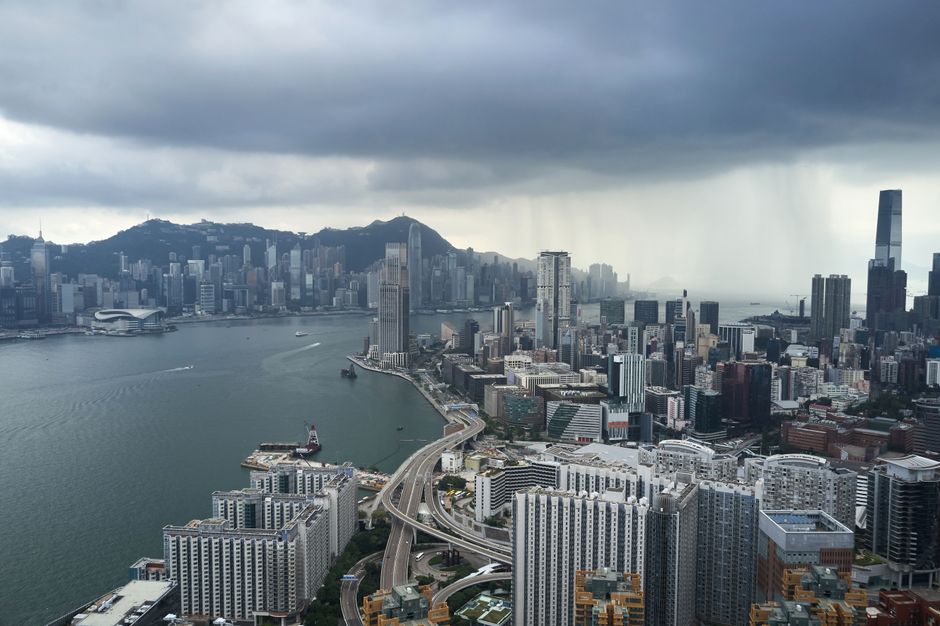
Cross-harbour, Kowloon's office market tells a different story entirely. Investment capital has surged into the Whampoa and Hung Hom waterfront precincts, where new developments command HK$50–60 per square foot—roughly 35 percent below Central. Real estate transaction volumes in Kowloon East climbed 22% year-on-year through the first quarter of 2026, according to preliminary Knight Frank data, signalling that price-conscious financial services back-offices and technology firms are voting with their chequebooks.
The New Territories represent an even more intriguing bellwether. Emerging tech hubs around Cyberport and the Science Park have attracted venture capital and startup funding despite higher transportation friction. Property investors view these zones as longer-duration bets on Hong Kong's innovation economy—a calculated wager on future economic diversification.
What do these flows indicate about Hong Kong's broader economic health? The picture is neither recessionary nor booming. Instead, investors are executing a subtle rotation: away from expensive Central prestige and toward either value-oriented secondary space or future-growth markets in Kowloon and the New Territories. Capital isn't leaving Hong Kong; it's being deployed more selectively.
Cross-border capital flows provide additional context. Investment appetite from Southeast Asian and Middle Eastern sources remained steady through mid-2026, though mainland Chinese acquisition activity has moderated from previous peaks. This suggests international confidence in Hong Kong's fundamentals persists, even as local demand patterns shift.
For occupiers, the message is clear: prime Central addresses command premium rents because they offer irreplaceable location and prestige, but alternatives now offer compelling economics. For investors, the lesson is equally stark—blanket Hong Kong property exposure is outdated. Precision geography and asset class selection now separate strong returns from mediocre ones.
This article was compiled by AI from the sources linked above and screened before publishing. See our editorial standards.