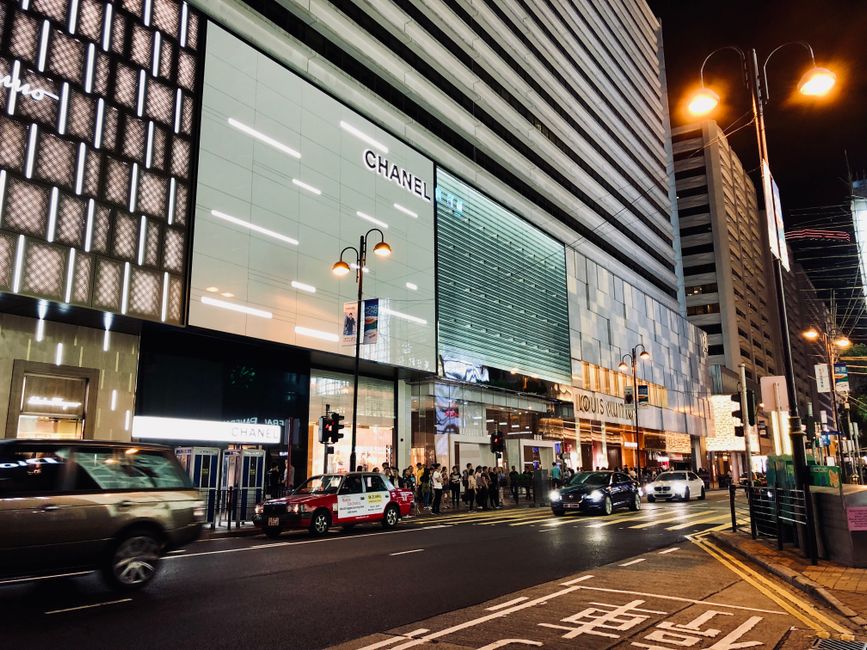
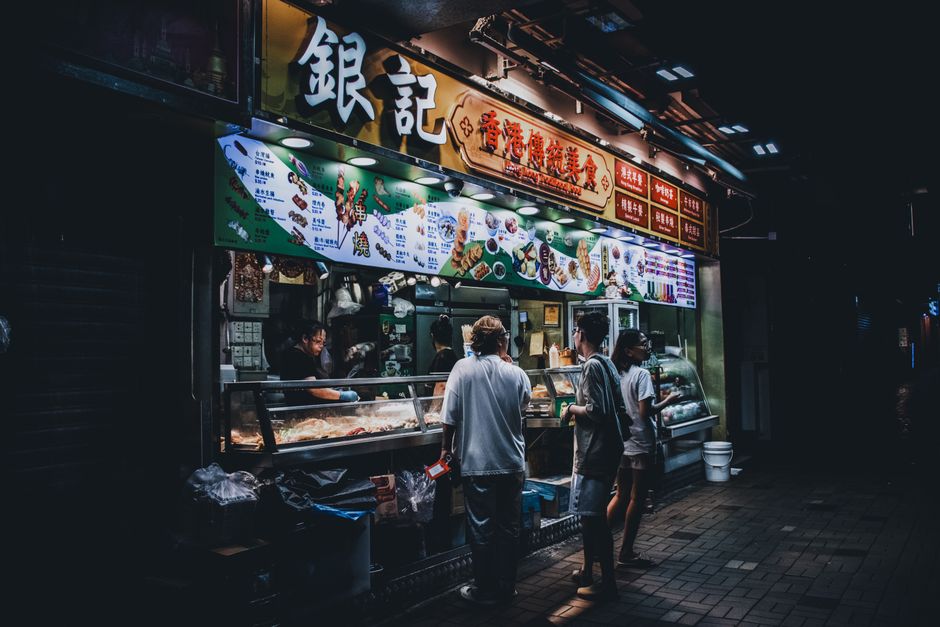
Walk through Mong Kok on any weekday morning, and you'll see the familiar choreography: a vendor arranging live chickens in cramped cages, a dai pai dong owner firing up massive woks at 5 a.m., a boutique cosmetics stall owner arranging samples on a crowded shelf. These aren't just daily sights—they're the backbone of Hong Kong's grassroots economy, and they're increasingly vulnerable.
The numbers tell a sobering story. Commercial rents in Mong Kok and Causeway Bay have plateaued around HK$2,500 to HK$4,000 per square foot annually, but for a modest 200 sq ft street-level stall, that translates to monthly overheads exceeding HK$40,000 before staff, utilities, or inventory. Meanwhile, foot traffic in traditional shopping districts has declined roughly 8–12% year-on-year since 2024, as more consumers shift online and major chains consolidate prime locations.
What should matter to you as an everyday resident? First, understand that your neighbourhood's character depends on thin margins. A HK$35 bowl of wonton noodles at a cramped Kowloon City establishment generates maybe 15–20% gross margin, meaning the owner nets perhaps HK$5–7 per bowl. When landlords raise rent by 10%, that entrepreneur doesn't simply absorb it—they face closure, relocation, or price hikes that ripple across your community.
Second, recognise the ecosystem effect. When small vendors disappear from streets like Apliu Street in Sham Shui Po, the entire district becomes less vibrant, less walkable, less distinctly Hong Kong. That homogenisation benefits large property developers and corporate chains, not residents seeking authentic alternatives or competing prices.
Third, pay attention to where you spend money. A deliberate choice to buy vegetables from a wet market stall rather than a supermarket doesn't just support that vendor—it signals demand to landlords and neighbouring businesses. It keeps prices competitive. It preserves skills and supply chains that hypermarkets don't offer.
The Hong Kong General Chamber of Small and Medium Enterprises has noted that 98% of registered businesses employ fewer than 50 people. These aren't side projects—they're the primary employers and economic anchors for hundreds of thousands of families.
As the city navigates post-pandemic recovery and evolving consumer habits, your understanding of this fragile ecosystem matters. The noodle shop owner, the fabric vendor in Ap Liu Street, the dai pai dong cook—they're not nostalgic relics. They're active participants in a functioning market that still delivers value, choice, and community. Support them consciously, and you're investing in Hong Kong's soul, not just someone's breakfast.
This article was compiled by AI from the sources linked above and screened before publishing. See our editorial standards.