Hong Kong's visitor economy is roaring back to life, and a clear pecking order is emerging among those positioned to profit most.
Tourist arrivals to the city reached 3.7 million in the first quarter of 2026—a 42% jump year-on-year—signalling a return to pre-pandemic traffic levels far ahead of initial forecasts. The surge is reshaping which operators and neighbourhoods are winning, and which remain vulnerable.
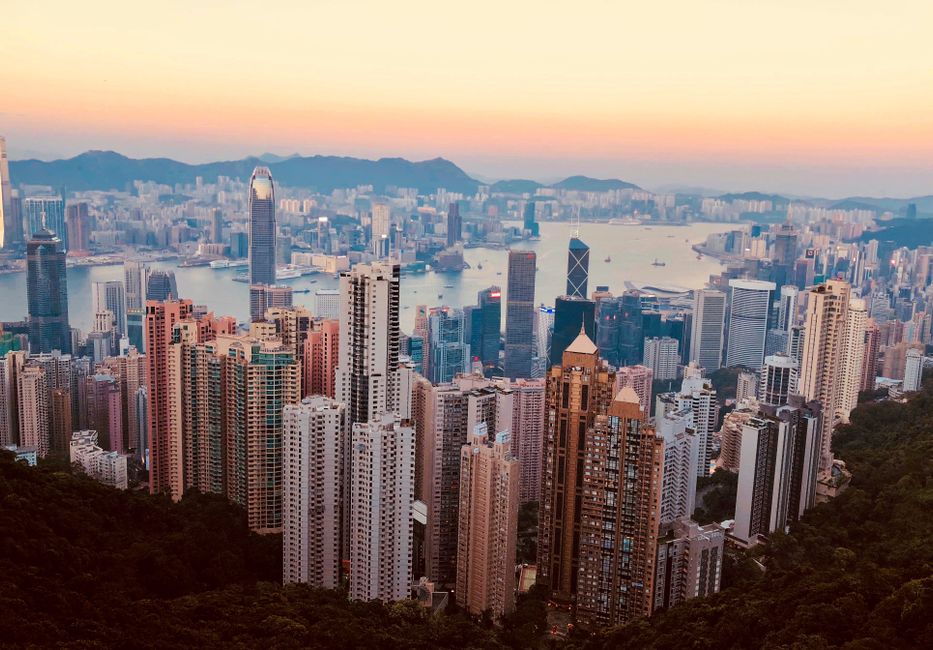
The biggest beneficiaries so far are premium hospitality operators along the Tsim Sha Tsui waterfront and in Central. The Mandarin Oriental and Peninsula Hong Kong reported occupancy rates exceeding 88% in recent months, with room rates climbing 15-18% compared to last year. Mid-range and budget chains clustered around Mong Kok and Causeway Bay, by contrast, are still competing heavily on price, with average nightly rates holding flat or declining.
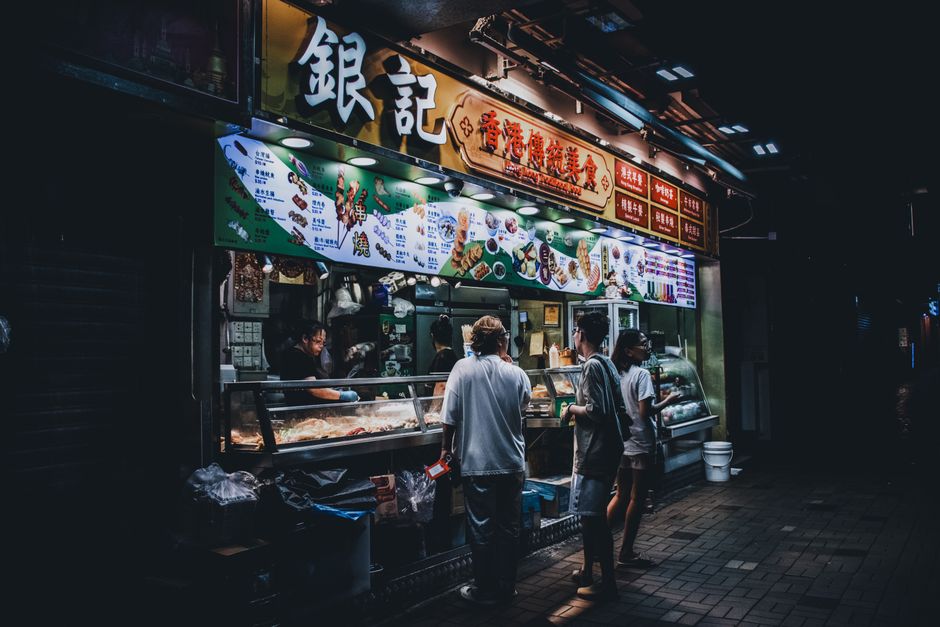
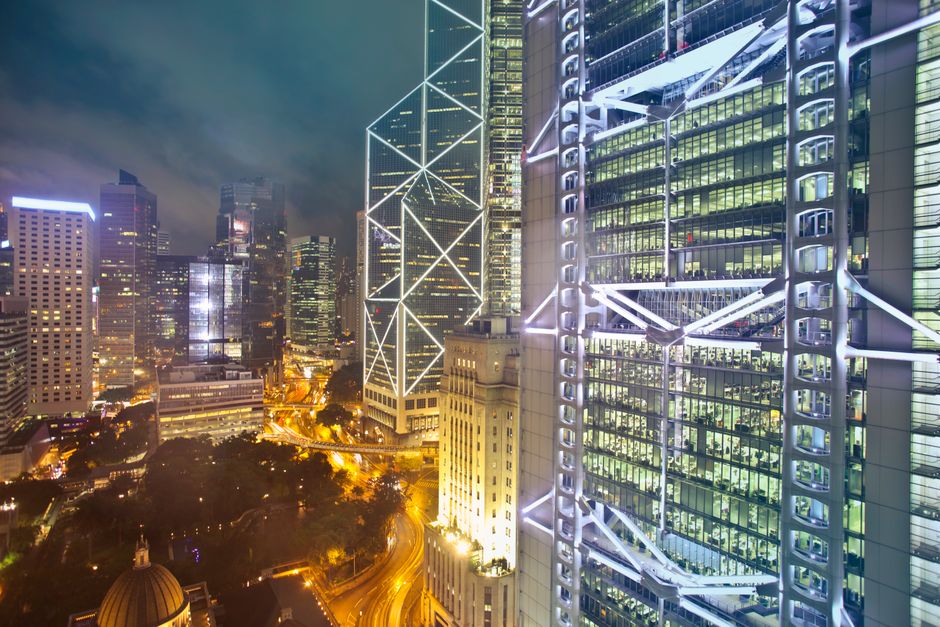
Retail is following a similar pattern. Flagship stores on Des Voeux Road Central and in the Landmark shopping mall are seeing foot traffic rebound sharply, with luxury brands reporting double-digit sales growth. Smaller independents on side streets and in older shopping centres are struggling to attract the same volume. Some have begun diversifying into experiential offerings—workshops, pop-ups, guided tours—to differentiate from online rivals.
Museums and cultural attractions are capitalising on demand. The Hong Kong Museum of Art and the Asia Society Hong Kong Centre have extended operating hours and launched curated tour packages. The M+ museum in West Kowloon has become a magnet for international visitors, with summer bookings nearly sold out.
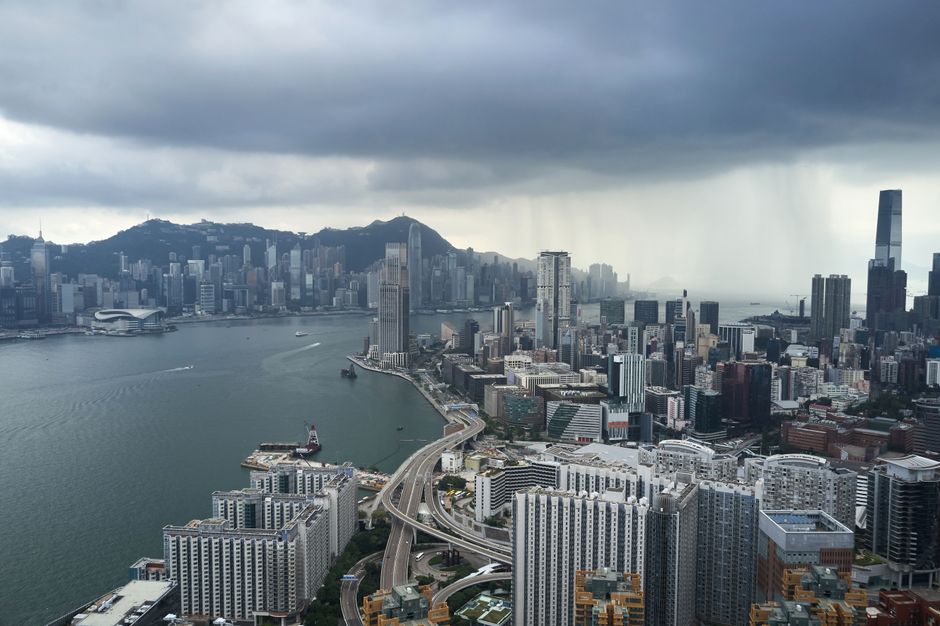
Transportation and logistics operators are also seeing gains. Peak-hour congestion on the Star Ferry between Central and Tsim Sha Tsui has returned to 2019 levels, forcing operators to increase capacity. Coach hire companies and private car services report strong booking momentum, particularly from corporate groups and incentive travel organisers based in Greater China.
However, the recovery is creating new fault lines. Neighbourhoods like Sheung Wan and Sai Ying Pun, popular with independent travellers, are seeing gentrification pressures as property owners seek to re-let spaces to international chains. Meanwhile, attractions in the New Territories and outlying islands remain dependent on domestic day-trippers, limiting their pricing power.
Industry observers note that operators who invested early in digital infrastructure, multilingual staff training, and niche positioning during the downturn are pulling ahead. Those relying on volume and standardised offerings face margin compression as competition resurfaces.
With summer peak season underway and autumn bookings tracking 35% above 2025, the window to capture market share is narrow—but expanding for those ready to move fast.
This article was compiled by AI from the sources linked above and screened before publishing. See our editorial standards.